
Exploring the Aesthetic Appeal of Block Dining Tables


Intro
When one contemplates the essence of dining spaces, block dining tables often emerge as a focal point that captivates both the eye and functionality of the room. These tables—with their robust structures and distinctive designs—can define the very character of a dining area. Homeowners, designers, and anyone who takes an interest in interior aesthetics should understand the intricate balance of form and function that block dining tables possess.
The allure of block dining tables goes beyond mere utility; they tell a story about style and purposeful design. Not only do they serve as a gathering spot for family meals and celebrations, but they also set the tone for how we engage with our spaces. The wide-ranging options in materials and styles allow each piece to be a unique expression of personal taste. In a world that increasingly values both practicality and aestheticism, these tables stand at the crossroads, creating a marriage between visual appeal and everyday usability.
Prelude to Block Dining Tables
Block dining tables stand as a significant focal point in any dining area, melding functionality with aesthetic appeal. Their robust construction and striking presence evoke a sense of permanence, making them not just pieces of furniture but also symbols of gathering and communion. In today’s fast-paced society, where the kitchen is often considered the heart of the home, a block dining table provides a sturdy, lasting surface for meals, discussions, and celebrations.
When we think of block dining tables, we can’t overlook their myriad shapes and dimensions. These tables come in various sizes, accommodating different spaces while promoting versatility across various interior designs. Considerate placement can transform a room, enhancing flow and facilitating social interactions. Moreover, choosing a block dining table is not solely about aesthetics; it also involves considerations like material, shape, and the functional needs of your household—be it frequent entertaining or casual dining.
An increasing trend is the customization of these tables to suit personal style or specific space requirements. Homeowners, designers, and retailers alike are now gravitating toward options that reflect individual tastes or blends seamlessly with the existing decor. Everyone involved in the design and decor process—from architects to decorators—should recognize the enduring impact that a well-chosen block dining table can have on both atmosphere and utility.
"A good dining table is not just a place for meals; it’s where life’s moments unfold."
To embark on this journey of exploration, we must first define what exactly qualifies as a block dining table.
Design Variations of Block Dining Tables
Design variations of block dining tables illustrate how these pieces resonate with personal style and enhance living spaces. Whether it’s modern, rustic, industrial, or traditional, each variation brings something unique to the table, quite literally. The variety reflects the preferences of designers and homeowners, offering numerous options to fit any given aesthetic.
In a diverse and fast-evolving interior design realm, understanding these variations is pivotal. They illuminate the ways dining tables can be both functional and strikingly beautiful. With a variety of design styles, a block dining table can be the centerpiece of a dining area, not simply a place where meals are consumed.
Modern Minimalism
Crisp lines and clean forms define modern minimalism. Block dining tables in this style embrace simplicity while still making a statement. These pieces often capitalize on open spaces and airy settings, using neutral colors and minimal embellishments. Imagine a table constructed with solid oak, featuring a smooth surface devoid of intricate designs. This can impart a sense of peace and seamlessness to the room, ensuring that the table doesn’t compete with other decor but instead complements the overall ambience.
- Key Elements:
- Pure geometric shapes
- Use of solid wood or high-quality engineered materials
- A focus on organic textures
Modern minimalistic block dining tables often emphasize functionality without unnecessary fuss. They can seamlessly blend into various settings, keeping the focus on the dining experience itself rather than on excessive decoration.
Rustic Charm
Rustic charm brings the warmth of nature indoors. Block dining tables designed with this aesthetic often showcase raw edges, distressed wood, and a hearty, hearty presence that beckons everyone to gather 'round. Think about a reclaimed wood table, exuding character through its imperfections and natural variations in color. This design approach embraces history, bringing elements from the outside world into the home.
Elements often seen:
- Weathered finishes with a tactile feel
- Combination of wood types for layered visual interest
This style encourages a sense of home, creating an inviting atmosphere where stories are shared and memories are made. Rustic block dining tables show that beauty isn’t always about perfection; sometimes, it’s about authenticity and warmth.
Industrial Aesthetics
Industrial aesthetics take a different route by marrying robust materials with an urban, raw vibe. Block dining tables in this style typically incorporate elements like metal, wood, and even concrete to create a striking interaction between hardness and warmth. Picture a solid oak tabletop supported by an iron frame, presenting a bold aesthetic that speaks volumes of modern design.
- Features include:
- Use of mixed materials
- Exposed hardware or fasteners
- Bold, unmuffled colors like blacks and greys


Industrial style is particularly appealing for modern lofts or urban apartments, as it captures the essence of both innovation and nostalgia. These tables serve as a canvas for personal expression while still functioning effectively in communal dining settings.
Traditional Elegance
Bringing a sense of nostalgia to the table, traditional elegance is all about classic proportions and timeless appeal. Block dining tables crafted with this in mind often boast rich woods, detailed craftsmanship, and elegant finishes. A mahogany table with carved legs can radiate the essence of fine dining and formality, ideal for settings where sophistication reigns supreme.
- Typical characteristics:
- Detailed woodwork and finishes
- Rich, dark woods such as walnut or cherry
- Often paired with upholstered dining chairs or antique accents
Traditional block dining tables create a space for gatherings steeped in ceremony and manners, reinforcing the idea that every meal merits a special setting. They connect generations, forming a link with the past while standing proud in the modern world.
"A dining table is more than just furniture; it's where lives intersect, stories unfold, and meals become memories.”
Understanding these variations not only helps in selecting the ideal table but also contributes to creating a cohesive and aesthetically pleasing dining environment.
Materials Used in Block Dining Tables
Understanding the materials that go into block dining tables is not just for the sake of aesthetic, but it also dives into functionality, durability, and the overall ambiance of the dining experience. Different materials can drastically alter the look, feel, and utility of a dining table, making it essential to choose wisely. The right material doesn't only reflect personal style, but it also plays a pivotal role in enhancing the dining atmosphere.
Wood Variants
Solid Wood
Solid wood is a fundamental choice for many block dining tables, offering a warmth and resilience that engineered options can struggle to match. The unique characteristic of solid wood is its natural beauty, which brings a rich grain pattern and texture to each piece. This makes it a sought-after option for anyone looking to make a statement in their dining space.
The durability of solid wood needs mention as well. Tables made from varieties like oak or maple can last generations if properly cared for. Clients appreciate that a solid wood table can be sanded and refinished, allowing it to maintain its luster through years of wear and tear. However, it is not without its downsides. Solid wood can be susceptible to changes in humidity, leading to warping.
Engineered Wood
In contrast, engineered wood presents an appealing alternative, especially regarding cost-effectiveness. Engineered wood consists of multiple layers of thin wood glued together, creating a strong composite. The primary feature of this material is its consistency, making it less prone to warping or cracking than solid wood. This reliability is particularly beneficial in regions with variable climates.
Many find engineered wood to be versatile. It can be produced in various finishes and styles, giving designers freedom in aesthetics. While it may not offer the same level of grandeur and natural allure as solid woods, its eco-friendliness and budget-friendly pricing can be convincing. Nonetheless, one must consider that it may not have the same longevity as solid wood and can't be refinished as easily.
Reclaimed Wood
Reclaimed wood has emerged as a darling among eco-conscious consumers and design aficionados alike. Sourced from old structures or furniture, it carries a history, which can be reflected in its weathered appearance. Each table crafted from reclaimed wood tells its tale, which adds a unique character to any dining area.
The key characteristic here is sustainability. Choosing reclaimed wood means upcycling materials that would otherwise go to waste, contributing positively to the environment. Beyond just ecological responsibilities, reclaimed wood also tends to have rich, deep colors and texture variations that are hard to replicate. On the downside, while reclaimed wood can be durable, it often requires careful inspection for possible pests or structural weaknesses.
Metal Components
Stainless Steel
Stainless steel adds a modern zing to block dining tables. Known for its resistance to rust and corrosion, stainless steel is a practical choice for tables that see frequent use. The sleek look appeals to those inclined towards contemporary or industrial styles, and what's even better is the light it reflects, making spaces feel more open and airy.
It's important to note that while stainless steel is nearly indestructible, it can scratch easily, which might deter some prospective owners. Ocassional polishing is needed to keep that shine, but many find it a small price to pay for longevity and style.
Iron
Iron offers a robust option that conveys strength and solidity. Many designers lean towards iron for legs or accents on block dining tables, effectively balancing the softer look of wood with a more industrial feel. Iron's weight makes it stable and secure, mitigating wobbles during meals.
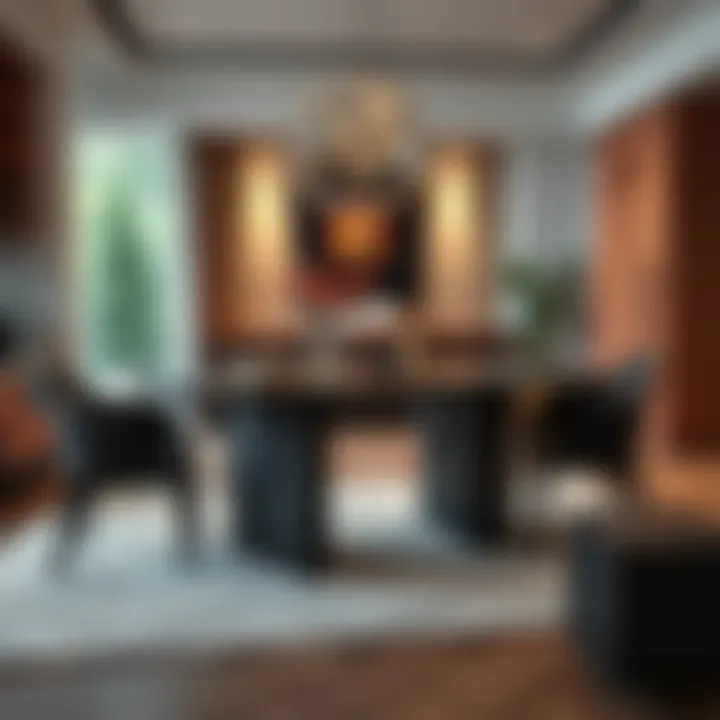
But as beautiful as iron can be, there's a trade-off. It can be prone to rust if not treated properly. Homeowners should consider coatings or regularly check for signs of corrosion if they opt for iron components.
Aluminum
Aluminum is becoming popular due to its lightweight nature and resistance to rusting. This material reflects a modern approach and works well in both indoor and outdoor settings. Highly versatile, aluminum can be powder-coated to match various aesthetics, which is an undeniable advantage.
However, while it may resist corrosion, aluminum can also dent easily. Homeowners and designers must weigh the trade-offs between its aesthetic appeal and the potential for physical damage.
Glass Features
Block dining tables with glass components can add an ethereal quality to the dining experience. Glass offers transparency which can visually lighten a heavy room and allow other design elements to shine through. Additionally, glass surfaces are easy to clean, making them a practical option for busy families.
Despite these benefits, the fragility of glass cannot be ignored. Heavy objects or accidental bumps can lead to cracks or shatters, posing safety concerns, especially with children around. Therefore, integrating glass should be a thoughtful choice, complementing the overall design while considering the practicalities of a family setting.
Sampling these materials and understanding their roles will be invaluable for homeowners and designers alike. They each bring distinct advantages and aesthetic influences that could transform a dining area from mundane to magnificent.
Functional Aspects of Block Dining Tables
When discussing block dining tables, emphasizing their functional aspects is vital. These tables offer not only a centralized space for dining but also bring numerous benefits that enhance the overall dining experience. Their versatility and adaptability make them a great asset in any home, accommodating a range of preferences and lifestyles.
Space Optimization
One of the standout features of block dining tables is their ability to optimize space. In a world where living areas can often feel cramped, these tables are designed with practicality in mind. Their robust structure allows them to fit snugly into various layouts, often making the most of corners or smaller dining areas.
- Multipurpose Design: Many block dining tables come with additional features, like extendable surfaces or integrated storage, making them not just dining surfaces but also functional furniture for daily tasks.
- Compact Options: For urban dwellers in studios or apartments, smaller block tables exist that don’t sacrifice style for size. These configurations ensure that people can enjoy meals without feeling crowded.
"Space-saving designs are more than just trendy; they reflect a lifestyle that prioritizes efficiency and aesthetics."
Capacity Considerations
The capacity of a dining table is crucial, especially for those who enjoy entertaining or have larger families. Block dining tables generally offer generous seating options, accommodating various numbers of diners.
- Seating Arrangements: Their design often allows for more seats around the table compared to traditional styles. For instance, a rectangular block dining table can comfortably house six or even eight diners, particularly when paired with benches or matching chairs.
- Expandable Designs: With features like leaf extensions, blocks can adjust to fit additional guests with ease. This adaptability makes block tables a prudent choice for those who host gatherings frequently, allowing for intimate dinners or larger parties without needing to purchase multiple tables.
Versatility in Dining Experiences
Block dining tables are not only functional but also incredibly versatile. They adapt readily to different dining experiences, catering to various occasions.
- Casual or Formal Dining: Whether it’s a relaxed family meal or an elegant dinner party, these tables can seamlessly transition between styles. The straightforward designs allow for the easy addition of decorative elements such as table runners, centerpieces, or unique dinnerware to match the occasion.
- Social Hub: In today’s interconnected world, dining is often about more than food; it’s about connection. The spaciousness of block dining tables encourages social interaction, making them a perfect setting for conversations and shared experiences.
In summary, the functional aspects of block dining tables march alongside their aesthetic appeal. They provide an excellent solution for optimizing space, accommodating various capacities, and enhancing the dining experience. Ultimately, these tables invite comfort and social interaction into our homes, emphasizing practicality without sacrificing style.
Choosing the Right Block Dining Table
Selecting the ideal block dining table is crucial for several reasons. It’s not just about aesthetics; the right choice impacts functionality and the overall feel of your dining space. A well-chosen table can serve as the heart of your home, bringing family and friends together for meals and conversations. Therefore, understanding the nuances of choice can be the game changer.
When considering a block dining table, you should take into account the size of your space, the intended usage, and the design style of your home. Each of these elements plays a significant role in ensuring your table is both a practical and inviting element in your dining area.
Assessing Your Space
Prior to diving into styles and materials, it is paramount you assess the available space. Measure your dining area, noting the dimensions and any peculiarities like architectural features, such as sliding doors or windows. This approach helps define the scale of the dining table you can accommodate.
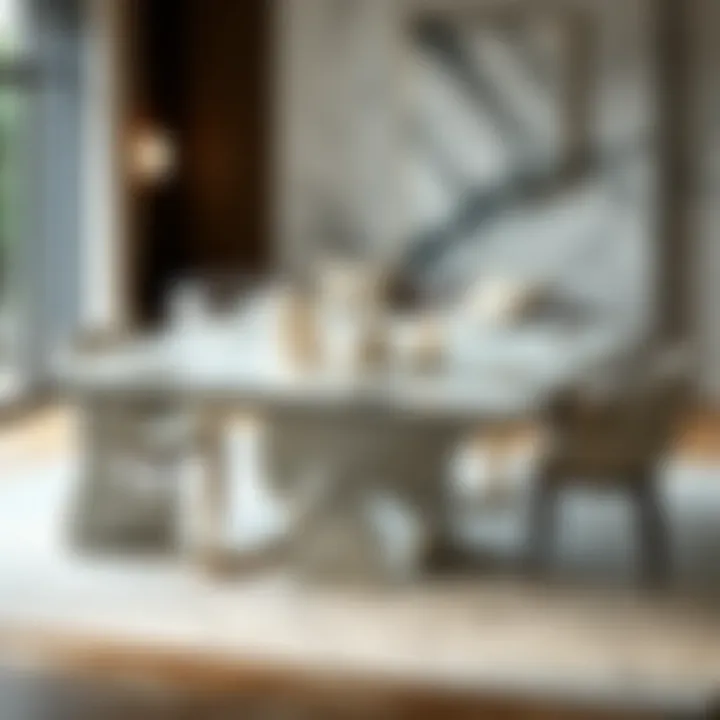
A few tips to keep in mind:
- Visualize the flow: Ensure there is enough space for chairs to be pulled out comfortably without hindering movement.
- Proportion matters: A tabletop that overwhelms the room may feel awkward, while a tiny table might get lost in a spacious setting.
- Access and functionality: If your space is compact, consider a drop-leaf design that can be expanded during gatherings but kept smaller for everyday use.
Style Compatibility
Now that you’ve measured your space, it’s time to think about style. The right dining table should harmonize with your interior design. Consider whether your home's style leans toward modern, rustic, or something in between.
- Modern Minimalism: If clean lines and simplicity are your go-tos, look for tables with a sleek finish and no frills.
- Rustic Charm: For those drawn to warmth and character, consider a table crafted from reclaimed wood that tells a story.
- Industrial Edge: Steel and wood combinations can offer a raw, urban feel for homes with an industrial design direction.
- Traditional Elegance: For classic interiors, opt for tables with ornate detailing and rich woods.
By carefully matching your block dining table with the existing atmosphere of your dining space, it ensures that the design elements work in tandem rather than clash.
"Choosing the right block dining table can set the tone for the entire dining experience — both visually and functionally."
Care and Maintenance of Block Dining Tables
Taking care of block dining tables goes beyond keeping them looking pretty; it involves understanding their material, maintaining their function, and ensuring their longevity. Given their often substantial investment, proper care not only enhances aesthetic appeal but also preserves their structural integrity. Over time, dust, grime, and spills can diminish the beauty of these tables, which makes effective cleaning and maintenance indispensable for any homeowner or designer.
Understanding the specific needs of your block dining table will transform how it fits into your living space. Each material has its quirks, so a one-size-fits-all approach doesn’t cut it. Maintaining these tables fosters an environment that reflects care and attention to detail, contributing significantly to dining experiences.
Cleaning Tips
To keep your block dining table in top shape, regular and thorough cleaning is essential. Here are some practical tips that ensure your table stays in pristine condition:
- Use a Soft Cloth: For most types of wood and finishes, a microfiber cloth works wonders. It traps dirt without scratching the surface.
- Mild Soap Solution: Mix warm water with a few drops of gentle dish soap. Dampen your cloth, wipe the surface, then dry it immediately with a clean, dry cloth to avoid water spots.
- Avoid Harsh Chemicals: Strong cleaners can strip finishes or damage wood. Stick to natural cleaning solutions when possible.
- Wipe Spills Quickly: Even if it’s just a drop of sauce or a little wine splatter, it’s best to whisk them away as soon as they happen to prevent staining or warping.
- Regular Dusting: Establish a routine for dusting—consider doing so weekly. It helps maintain the table's beauty and prevents buildup that can cause scratches.
Preventive Measures
Taking a proactive stance can save you from facepalm moments down the road. Below are strategies that act as a bulwark against potential damage to your block dining table:
- Use Coasters and Placemats: Protect against scratches and heat damage with coasters for drinks and placemats for plates. They serve as buffers that absorb impacts.
- Avoid Direct Sunlight: Position your table away from windows with direct sunlight to prevent fading and warping over time. It can feel like a small inconvenience, but this step can prolong the table's lifespan.
- Temperature and Humidity Control: Wood is particularly sensitive to climate. Ideal conditions are a moisture level between 40% and 60%, which helps avoid cracks and splits.
- Regular Inspections: Examine your table for any signs of wear and tear or loose fittings. Addressing small issues early can prevent larger repairs later on.
- Oil Application for Wood Surfaces: Depending on the type of wood, applying a furniture oil can nourish and protect the wood, enhancing its grain while keeping it moisturized.
Remember: Preventive care today means a stunning table tomorrow. It's worth the effort and attention spent to maintain the quality of your block dining tables.
In summary, the care and maintenance of block dining tables is not just about upkeep; it's about enhancing the overall dining experience, ensuring each meal is shared around a beautiful and well-preserved centerpiece.
Finale
In reflecting upon the topic of block dining tables, it's clear that their significance extends far beyond mere furniture. These tables serve as a focal point in dining spaces, bringing together functionality and aesthetic integrity. They are not just pieces to eat on; rather, they embody stories, experiences, and gatherings of family and friends.
The Enduring Appeal of Block Dining Tables
Block dining tables possess an appeal that resonates with a diverse array of styles and preferences. The solid construction and varied materials—ranging from oak to reclaimed barn wood—create an earthy feel that can easily adapt to modernism or the more relaxed rustic decor. Their presence not only anchors a room but also fosters connection. Typically, a block dining table can withstand rigorous daily use, making it a practical choice for families or individuals who regularly entertain guests.
Moreover, the versatility of block tables offers options both in size and form. From the expansive family-sized versions matching expansive dining rooms to more compact designs suitable for cozy apartments, these tables cater to situational needs. This adaptability may be one of the main reasons they continue to be favored in contemporary home design, as they merge seamlessly into various aesthetics.
Final Thoughts on Practicality and Design
Ultimately, when choosing a block dining table, practicality holds equal weight to design. Craftsmanship plays a crucial role—look for tables that display a balance between durability and artistry. The finish, be it lacquered or varnished, contributes to both longevity and the table's visual appeal.
Inclusion of features such as extension leaves can enhance their functionality, making it possible to scale up for larger gatherings when necessary. Consider also the integration of mixed materials, allowing for created visual interest without sacrificing strength.
The decision to invest in a block dining table is indeed about making a long-term commitment to aesthetics and utility. These tables, at their best, reflect the homeowners’ unique styles while standing the test of time in both form and function. The dialogues and connections that unfold around these tables can make every meal a memorable occasion—be it a quiet Sunday brunch or a celebratory feast.
In summary, block dining tables unite families and friends, encourage experiences around meals, and stand as testimonies to design that meets the demands of everyday living. Explore additional insights about dining aesthetics at Britannica or discover community preferences on Reddit.
"A dining table is not just a piece of furniture; it’s a gathering place for conversation, laughter, and connections that often last a lifetime."
By carefully considering space assessments, style compatibility, and the inherent functional aspects of these tables, one can secure a dining centerpiece that transcends ordinary use, becoming a lasting element of home and lifestyle.