
Exploring the Appeal of Blue Grey Dinnerware

Intro
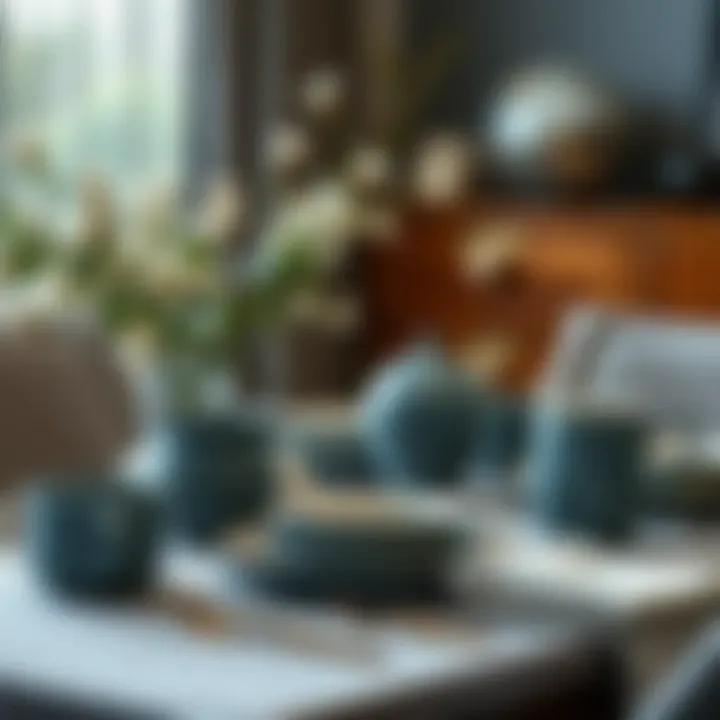
As we dive headfirst into the world of dinnerware, one color has caught the eye of homeowners and designers alike: blue grey. This nuanced hue flits between the realms of calm blues and grounding greys, creating a versatile aesthetic that seamlessly complements a range of interior styles. From rustic farmhouse settings to sleek urban modern spaces, blue grey dinnerware offers an appeal that is both timeless and contemporary.
Understanding the charm of this dinnerware is essential, not just for those who wish to entertain, but for anyone striving to enhance their dining experience. With its unique combination of chic elegance and everyday practicality, blue grey dinnerware can elevate any meal from mundane to memorable. In this piece, we will unpack the aesthetic versatility of these pieces, explore the materials that breathe life into them, and examine how they have established their historical significance in dining culture. By grasping these points, designers and homeowners can equip themselves with knowledge that will shape their future purchases and styling decisions.
The goal here is simple yet profound: to provide you with a detailed narrative that serves as a comprehensive guide on blue grey dinnerware, ensuring you make informed choices that resonate with your personal taste and living space.
Furniture Trends
Current Styles and Influences
In the realm of dining aesthetics, the trend of blue grey dinnerware is largely influenced by modern minimalism and Scandinavian design. These styles emphasize simplicity and functionality while capitalizing on subtlety. As a result, blue grey dinnerware can mix and match effortlessly with both muted and bold accents in any dining area.
A quick look at current trends reveals that dishware is becoming increasingly ornamental without losing its utility. You might spot intricate patterns or texture variations in blue grey dinnerware that draw the eye while remaining understated enough to not overshadow the food.
- Casual Dining: The rise of casual dining has made blue grey dinnerware particularly appealing. Families and friends gather round tables with less formal setups, where plates can evoke warmth and comfort in everyday use.
- Eclectic Chic: Many modern designers are embracing an eclectic mix of styles. Thanks to its versatility, blue grey dinnerware can be combined with different colors and materials, creating a table setting that feels both curated and inviting.
Seasonal Trends and Color Palettes
When navigating seasonal shifts, the adaptability of blue grey dinnerware shines through.
- Spring and Summer: During these vibrant seasons, incorporating colorful centerpieces or floral patterns can make blue grey dinnerware pop without clashing.
- Autumn and Winter: For cooler months, pairing this dinnerware with earthy tones—like terracotta or deep forest green—can create a cozy atmosphere that invites guests to linger and enjoy their meals.
This duality of function and style makes blue grey dinnerware an excellent choice for those looking to refresh their dining space with a trend that’s likely to endure.
"Choosing blue grey dinnerware allows you to maintain a timeless elegance in your dining experiences that’s rarely found elsewhere, crossing the boundaries of informality and sophistication."
Whether it aligns with minimalist designs or finds itself amidst a more bohemian setting, blue grey dinnerware is here to stay, and for good reason. Curious to learn more about mastering the art of dinnerware choices? Stay tuned as we explore practical buying guides that will steer you in the right direction.
Prelude to Blue Grey Dinnerware
Blue grey dinnerware has been steadily gaining traction in both modern and traditional dining trends, and for good reason. This subtle yet striking color combines the calmness of blue with the neutrality of grey, making it an appealing option for various culinary settings. The importance of blue grey dinnerware lies not only in its aesthetic allure but also in its functionality and ability to elevate the dining experience.
For homeowners and interior designers, this color palette offers a versatile backdrop that complements a wide range of decor styles—from rustic farmhouse to sleek modern aesthetics. Imagine accentuating a beautifully plated dish against a soft blue grey plate that adds depth without overpowering the food's vibrant colors. The combination helps to enhance the presentation of meals, allowing the ingredients to shine.
In addition to enhancing visual appeal, blue grey dinnerware typically features practical benefits. Its neutral hue allows it to blend seamlessly with other colors in your kitchen or dining area. This versatility means you can easily mix and match it with various table settings, from casual family dinners to more formal gatherings.
Moreover, the choice of materials available in blue grey dinnerware is extensive. Different materials, such as stoneware, porcelain, or ceramic, offer unique features in terms of durability, heat retention, and maintenance. Such diversity makes it possible to select dinnerware suited to your lifestyle and design preferences.
"The right dinnerware not only serves a functional purpose but also contributes to the overall dining experience—creating an atmosphere that can make a simple meal feel like a special occasion."
In summary, blue grey dinnerware not only serves as a practical necessity but also as a compelling design element that enriches the dining atmosphere. It is essential for anyone looking to create a refined yet inviting table setup. By understanding the appeal of this color in dinnerware, designers, homeowners, and decorators can make informed choices that contribute to a cohesive and sophisticated dining experience.
The Aesthetic Appeal of Blue Grey
The charm of blue grey dinnerware lies in its unique blend of color and subtlety, resonating with a sense of calm and sophistication. This section unpacks the intricate aesthetics that draw so many homeowners and designers to embrace blue grey as a central theme in their dining experiences. By dissecting color psychology and current trends in home decor, we illuminate why this shade has an enduring appeal.
Color Psychology in Dinnerware
Blue grey sits comfortably between the cool tranquility of blue and the earthiness of grey. These colors often conjure feelings of serenity, balance, and stability. When it comes to dinnerware, these emotions can have a noteworthy impact on dining experiences. Studies suggest that the colors on our table can influence our mood and even our appetite. A warm, inviting environment typically enhances meals, making the act of dining feel more enjoyable.
- Calming Influence: Blue grey encourages relaxation, promoting conversations that are less hurried, helping diners linger over meals.
- Visual Balance: This color complements a wide range of other shades and materials, allowing for creativity in table settings without overwhelming the senses.
- Timelessness: The understated elegance of blue grey stands the test of time in dining aesthetics. It neither overstays its welcome nor fades into the background, offering a perfect compromise between bold statements and mild nuances.
Trends in Home Decor
As homeowners increasingly lean towards minimalism and sustainability, blue grey fits seamlessly into contemporary design trends. Its versatility allows for easy pairing with different textures and styles, making it a favorite in modern decor. Here are some prevailing trends that highlight blue grey's importance:
- Eclectic Mix: The rise of eclectic decor means mixing patterns and colors is very much in vogue. Blue grey harmonizes well with vibrant colors, allowing for an adventurous yet grounded approach to table settings.
- Natural Elements: With a push towards incorporating earthy materials, this color often appears alongside natural woods and stone finishes, creating a grounding effect in dining areas.
- Layered Textures: Interest is created through tactility. Blue grey dinnerware can be paired with handwoven table runners, ceramic vases, or even linen napkins, giving depth to the overall aesthetic.
Practical Benefits of Choosing Blue Grey Dinnerware
When you're shopping for dinnerware, the choice stretches far beyond mere aesthetics. Blue grey dinnerware, in particular, stands out not just for its lovely hues but also for several practical benefits that any discerning homeowner or designer should consider. This section delves into the essential advantages that make blue grey dinnerware a wise selection for both everyday use and special occasions.
Durability and Longevity
When it comes to serving plates, bowls, and other dining essentials, one major consideration is durability. Blue grey dinnerware typically boasts significant durability, especially when crafted from materials like stoneware and porcelain. Stoneware, for instance, is fired at extremely high temperatures, ensuring a robust finish that can withstand chips and cracks.
Moreover, many blue grey pieces are often designed to be dishwasher and microwave safe. This dual capability provides convenience, allowing for easier cleanup and safe reheat at your fingertips. As a result, consumers find these dishes can last many years, maintaining their visual appeal even with frequent use. In fact, a well-kept set of blue grey dishes can become a family heirloom, holding onto the memories of countless meals shared over the years.
Versatility in Use
Versatility is another feather in the cap of blue grey dinnerware. These dishes blend seamlessly into a variety of settings, whether it's a laid-back brunch or an elegant dinner party. The subdued tones of blue grey are remarkably adaptable, allowing them to complement various color schemes and decor styles.
- For a more rustic or bohemian setting, pair blue grey plates with earthy tones and textiles.
- Conversely, when entertaining in a more modern space, these same pieces can elevate minimalist decor, giving each dish a chance to shine.
This adaptability extends beyond formal settings; blue grey dinnerware can also serve well in casual environments, inviting a sense of comfort without compromising on style. Furthermore, their ability to adapt to different cuisines—from a classic Italian pasta dish to a fresh sushi arrangement—demonstrates their functional prowess, making them a one-stop solution for any meal.
"The true value of good dinnerware isn't just in its beauty but in its utility and resilience."
Varieties of Blue Grey Dinnerware Materials
The choice of materials in blue grey dinnerware is not just a matter of aesthetics; it directly impacts utility, durability, and the overall dining experience. Understanding the different types allows homeowners and designers to make informed decisions that suit both style and practicality. The following discussions on stoneware, porcelain, ceramic, and melamine will shed light on the distinctive features of each material and their relevance in modern dining scenarios.
Stoneware
Stoneware is a ceramic material that is fired at high temperatures, resulting in a non-porous and durable product. This kind of dinnerware is typically thicker than other options, giving it a substantial feel that many people find appealing.
- Durability: Stoneware is known for its ability to withstand high temperatures, making it suitable for both ovens and microwaves.
- Ease of use: Its chip-resistant surface is practical for everyday meals and gatherings.
- Stylistic appeal: The natural variations in color and texture mean it tends to have a handcrafted feel, often bringing a rustic charm to the table.
For those who enjoy entertaining or simply appreciate robust dinnerware, stoneware in blue grey can be an excellent choice that marries functionality with a contemporary twist.
Porcelain
Porcelain is synonymous with elegance. Characterized by its fine, translucent quality, it has been a staple in dining for centuries. Blue grey porcelain dinnerware offers:
- Lightweight nature: Despite its delicate appearance, porcelain is quite durable and resistant to scratching.
- Chic design: Its sleek finish allows for intricate patterns and elegant silhouettes, enhancing the aesthetic appeal.
- Versatile use: Ideal for both formal and casual settings, porcelain can elevate a simple dinner to an exquisite affair.
Using porcelain made from high-quality materials can create a lasting impression, particularly during special occasions where the dinnerware plays a crucial role in the overall presentation.
Ceramic
Ceramic dinnerware is often viewed as a versatile choice that balances affordability and design. This type of material is typically less expensive than stoneware or porcelain, making it a popular option among decorators and homeowners alike.
- Variety of finishes: Ceramic dinnerware can come in myriad styles, shapes, and designs, allowing for personalization.
- Moderate durability: While it may not withstand high temperatures as effectively as stoneware, it is still suitable for daily use.
- Vibrant glazes: The ability to incorporate bright colors and interesting textures makes ceramic a wonderful addition for those looking to add a pop of personality to their dining set.
This adaptability makes ceramic blue grey dinnerware an appealing selection for family dinners, casual gatherings, and even themed meals.
Melamine
For those seeking practical and lightweight options, melamine dinnerware serves as an excellent alternative. Often associated with outdoor dining and casual settings, melamine's characteristics include:
- Unbreakable nature: This material is famous for its resistance to breaking, making it perfect for picnics and kids’ meals.
- Design flexibility: Available in a plethora of colors and patterns, melamine can mimic the appearance of more expensive dinnerware while remaining budget-friendly.
- Ease of maintenance: Melamine is dishwasher safe, which simplifies post-meal clean-up significantly.
In blue grey, melamine dinnerware provides a stylish yet functional solution, particularly for those who entertain outdoors or have a lively household.
As the dining landscape continuously evolves, understanding these materials helps in curating a dining experience that is not only visually appealing but also functional and practical.
Historical Context of Blue Grey Dinnerware
The historical context of blue grey dinnerware offers a fascinating peek into how cultural and social influences shape our dining experiences. Understanding this history lays the groundwork for appreciating why blue grey dinnerware has cemented its place in both traditional and modern settings. This section explores the cultural significance and evolution over time of blue grey dinnerware, shedding light on its enduring charm and relevance.
Cultural Significance
The cultural significance of blue grey dinnerware transcends mere color choice; it often embodies the values and aesthetics of various societies throughout history. This color palette has appeared in table settings since the 18th century, aligning closely with periods of economic and social shifts. During the Industrial Revolution, for instance, the ability to mass-produce blue grey ceramics made them accessible to a wider audience, illustrating the emergence of middle-class dining norms. This democratization of elegant tableware suggests that blue grey dinnerware can symbolize both refinement and practicality.
In many cultures, color plays a pivotal role beyond mere decoration. Blue and grey are often associated with calmness and stability, which makes them popular choices for settings aimed at fostering social interactions, such as family dinners or formal gatherings. Moreover, blue-grey hues have been tied to maritime traditions, emphasizing themes of tranquility and depth, much like the sea itself. This connection to nature can enhance not only the dining experience but also the decor within a home.
"The colors we choose for our table settings can create a lasting impact on how we experience our meals and connect with others."
Evolution Over Time
The evolution of blue grey dinnerware itself tells a story of adaptation and innovation. From early handcrafted pieces adorned with intricate designs to the sleek, minimalist forms of today, blue grey dinnerware has undergone significant changes in both design and usage. These transformations were often influenced by major art movements, such as Art Deco, which leaned towards geometric shapes and subtle colors.
Modern technological advancements have also played a role in enhancing the durability and aesthetic appeal of blue grey dinnerware. The introduction of new materials like stoneware, porcelain, and melamine has allowed for greater variety and accessibility. As a result, we see blue grey dinnerware not just in high-end restaurants but also in everyday kitchens. The shift towards more casual dining experiences calls for dinnerware that is both stylish and functional. Nowadays, blue grey pieces have become synonymous with contemporary dining trends, showcasing a blend of style and practicality that appeals to a diverse audience.
As we trace the roots of blue grey dinnerware through its cultural significance and evolutionary changes, it becomes clear that understanding its historical context enriches our appreciation for its place in today's dining world. This historical backdrop not only informs current designs but also highlights the timelessness of the blue grey palette, making it a sought-after choice for both homeowners and designers.
Design Considerations for Blue Grey Dinnerware
When it comes to selecting blue grey dinnerware, design considerations play a pivotal role in ensuring both aesthetic appeal and functionality. Choosing dinnerware is more than just picking a color; it is about understanding how shapes, sizes, patterns, and textures can enhance the dining experience. The combination of these elements influences not just the dining ambiance, but also the practicality of everyday use.
Shapes and Sizes
The shapes and sizes of blue grey dinnerware are crucial. Square plates, round bowls, and oval platters can create a unique aesthetic when arranged together. Square options can convey a modern vibe, while traditional round shapes might bring warmth and familiarity to the table. Sizes also vary, affecting how portions are served and perceived. A larger plate can make a single piece of fish feel more substantial, while smaller ones might be better for side dishes or appetizers. Choosing appropriately sized plates and bowls ensures that each item served is visually appealing without crowding the dining space.
Here are some considerations regarding shapes and sizes that can help guide your choices:
- Functionality: Will you be using these pieces daily or for special occasions? For everyday use, durable shapes that stack easily and fit in the dishwasher are ideal.
- Portion Control: Smaller plates can encourage mindful eating and proper portion sizes. Larger ones may lead to larger servings, which is something to keep in mind based on your eating habits.
- Dining Style: If serving buffet-style, consider how pieces will look when placed on a table. Taller stands and varied heights can create an eye-catching display.
These choices contribute to forming a cohesive design narrative that resonates throughout the dining area.
Patterns and Textures
Next up, we cannot forget about patterns and textures. Blue grey dinnerware offers a canvas for diverse artistic expressions. Whether opting for a solid color or intricate designs, patterns can communicate personal style while textures add depth to the overall setting. Minimalistic designs can create elegance while more detailed patterns may evoke a sense of homey charm.
Some tips for choosing patterns and textures include:
- Coordinate with Theme: Align patterns with the other decor elements in your dining area. For example, botanical patterns pair well with rustic themes, while geometric designs suit more contemporary settings.
- Texture Options: Consider matte finishes for a modern look, or glossy for a classic feel. Raised patterns can provide tactile interest, making dining more engaging.
- Mix and Match: Combining different patterns within the same color scheme can produce a visually striking table setting. Think about using patterned bowls with solid plates or vice versa.
Remember: The beauty of blue grey dinnerware lies not just in individual pieces but how they all come together on the table.
Care and Maintenance of Blue Grey Dinnerware
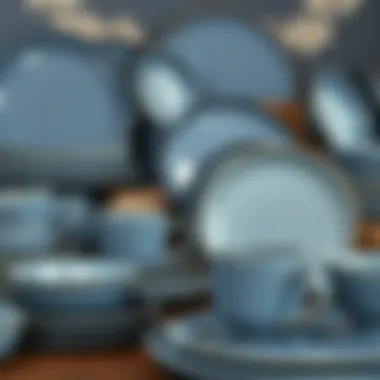
Taking care of blue grey dinnerware is critical not just for preserving its appearance but also for ensuring its longevity. It's not merely about keeping your plates and cups looking pretty; it's about maximizing your investment and maintaining the overall aesthetic of your dining space. Understanding the nuances of cleaning and storage can elevate the experience of using blue grey dinnerware.
Cleaning Techniques
When it comes to cleaning blue grey dinnerware, several techniques help to preserve both its look and functionality. Here's what to keep in mind:
- Hand Washing: The gentlest method, hand washing is often recommended, especially for more delicate materials like porcelain. Use a soft sponge and mild detergent, avoiding abrasive pads that could scratch the surface.
- Dishwasher Safety: Many blue grey dinnerware sets are dishwasher safe, but always check the manufacturer's guidelines. If using a dishwasher, place items securely to avoid chipping and use a gentle cycle.
- Avoiding Temperature Shock: Sudden changes in temperature can cause cracking. It's essential to let dinnerware come to room temperature before washing it with hot water. Additionally, never pour cold water onto hot dishes;
- Stain Removal: For stubborn stains, a paste of baking soda and water can work wonders. Apply it directly to the stained area and let it sit for a while before gentle scrubbing.
Utilizing these techniques not only maintains the appearance of your blue grey dinnerware but can also prolong its lifespan, giving you years of delightful use.
Storage Recommendations
Proper storage is as vital as cleaning when it comes to keeping blue grey dinnerware in top condition. Here are some practical tips:
- Stacking Safely: When storing plates or bowls, avoid stacking them directly on top of one another. Use felt or cork pads between items to prevent scratching. This small measure can save you from significant damage.
- Temperature and Humidity Control: Store dinnerware in a cool, dry place to avoid warping and cracking due to moisture. Avoid putting delicate items near heat sources such as ovens or microwaves.
- Using Protective Cases: For special occasions or heirloom pieces, consider investing in protective cases or storage boxes. These provide an extra layer of protection against dust and accidents.
- Accessibility Consideration: Finally, store your everyday pieces within easy reach, while more delicate or infrequent-use items can safely live on higher shelves or in the back of cabinets.
Proper care and maintenance are key to ensuring that blue grey dinnerware remains a stylish and practical choice in your home. Taking the time to implement these cleaning and storage methods goes a long way in preserving their beauty and functionality.
Setting the Table with Blue Grey Dinnerware
Setting a table is more than just putting plates, forks, and glasses in order; it’s about creating a mood, an atmosphere that speaks to guests before a word is said. Blue grey dinnerware stands out in this regard. Its special color—a blend of calm blue and stable grey—offers an inviting warmth while maintaining sophistication. This section dives into how to effectively use blue grey dinnerware in various dining scenarios, ensuring that whether the occasion is casual or formal, the table setting is nothing short of impressive.
Formal and Casual Settings
The versatility of blue grey dinnerware shines when it comes to how it fits into both formal and casual settings. For formal gatherings, think about a traditional dinner party where fine china takes the forefront. Here, blue grey works well as a backdrop for intricate table designs. Imagine a table glistening under soft candlelight, topped with china plates adorned with delicate floral patterns in similar muted hues. This harmonizes beautifully, creating a cohesive look that speaks volumes about attention to detail.
In more relaxed settings, blue grey dinnerware can easily bridge the gap. Picture a Sunday brunch with friends, where mismatched blue grey plates are paired with rustic wood serving boards. This informal style keeps the atmosphere light, yet stylish, allowing for conversation to flow naturally.
Tips for Formal Settings:
- Choose dinner plates that are slightly larger for a hallmark sophistication.
- Layer with silver or gold cutlery to add a touch of elegance.
Tips for Casual Settings:
- Use colorful napkins to create a stark contrast against the blue grey.
- Mix and match with other colors to create visual interest without overwhelming the senses.
Complementary Decor Items
To elevate the charm of blue grey dinnerware, consider complementary decor items. Textiles, such as table runners or placemats in neutral tones, can enhance visual appeal. Soft whites or delicate beige provide a refreshing contrast, allowing the dinnerware to take center stage. When setting the table, think about adding brass or copper accents.
Moreover, flowers can serve as excellent companions for your blue grey pieces. Soft yellows, whites, and greens in your floral arrangements lift the ambiance. Picture a rustic blue grey plate surrounded by a beautiful arrangement of white peonies and greenery; it’s a feast for the eyes.
In dining, first impressions are everything. How a table is set can influence the entire dining experience.
When working with blue grey dinnerware, these complementary decor items not only enhance the aesthetics of the dining experience but also lays a foundation for a meaningful engagement between guests. The color acts as a neutral canvas, allowing for creativity to flourish in the details. Whether it’s through shining cutlery, charming textiles, or enchanting blooms, these elements collaborate to craft a truly memorable dining tableau.
Economic Considerations
When contemplating the addition of blue grey dinnerware to a home, economic considerations cannot be overlooked. Understanding the financial aspects associated with purchasing, maintaining, and possibly replacing dinnerware can greatly influence the decision-making process for homeowners and designers alike. These considerations include understanding price ranges, assessing cost-effective options, and recognizing the value associated with quality materials and design. Evaluating these factors allows for informed choices that align with style preferences and budget constraints.
Price Range Analysis
The price of blue grey dinnerware varies widely, influenced by several factors such as material, brand, and design intricacy. At the lower end, melamine pieces may start around $25 for a set, which is quite accessible for casual dining needs. Shifting up the scale, stoneware sets can be found at approximately $60, providing durability and a softer aesthetic suitable for everyday use. Porcelain, known for its elegance and finesse, can fetch starting prices near $100 for basic sets, and high-end options can soar above $300.
Here are some key price points to consider:
- Melamine: $25 - $70 for sets, often lighter and convenient for outdoor use.
- Stoneware: $60 - $120, a good balance of elegance and robustness.
- Porcelain: $100 - $350, reflecting artistry and quality.
- Ceramics: $50 - $150, available in unique designs but less durable than stoneware.
Evaluating these ranges can spark discussions regarding quality versus cost — a fundamental conversation in narrow budget scenarios. These choices should also align with personal aesthetics to avoid future regrets.
Cost-Effective Choices
Homeowners seeking to invest wisely in blue grey dinnerware can explore various avenues for cost-effective choices. One approach is to purchase mix-and-match pieces rather than entire sets, allowing individuals to curate a unique table setting while managing their budget. For instance, pairing affordable stoneware plates with pricier porcelain accent pieces can create a sophisticated look without overspending.
Another strategy includes shopping during clearance events or season-end sales. Retailers often offer substantial discounts on dinnerware sets that were popular during the holiday seasons. Furthermore, buying from emerging designers just starting in the market can often yield unique designs at competitive prices. Often, these designers focus on sustainability and ethical practices, providing an added layer of value.
In summary, balancing aesthetic appeal with economic feasibility is not only possible but can lead to a fulfilling dining experience. Considerations for price ranges guide purchases, while creative strategies in seeking cost-effective solutions facilitate achieving a stylish and personal dining atmosphere.
"Quality dinnerware is not just about the price tag; it’s about the enduring impact it has on our memories shared around the dining table."
For more insights on dinnerware economics and trends, visit Britannica and explore articles related to home decor and design.
Popular Brands of Blue Grey Dinnerware
When considering the world of blue grey dinnerware, the brands behind these products play a significant role. They not only contribute to the aesthetic of your dining experience but also offer insights into quality, sustainability, and innovation in design. Understanding the key players in this field can help you make informed choices that reflect your personal style while also ensuring that you are investing in quality items that will stand the test of time.
Established Manufacturers

Established manufacturers have built their reputations on decades, if not centuries, of craftsmanship in dinnerware. Brands like Noritake and Royal Doulton are just the tip of the iceberg. These companies have grasped the essence of creating blue grey dinnerware that conjures elegance and sophistication. Their products often feature intricate designs and high-quality materials like fine porcelain or stoneware, which not only make for visually appealing settings but also promise durability.
It’s not just about aesthetics; these brands often carry the weight of legacy, which can add a cultural significance to your dining experience. For example, Noritake has been producing fine dinnerware since 1904, with roots in Japan that underscore elegance and refinement. Their styles may vary, but the overarching quality remains consistent. Purchasing from established names is often seen as an investment.
- Royal Doulton – Known for its artistic and charming dinnerware that adds artistic flair to table settings.
- Lenox – Offers a range of blue grey dinnerware that brings timeless style to both casual and formal dining occasions.
- Wedgwood – Famous for its heritage craftsmanship, Wedgwood fuses modern design with traditional techniques, making their blue grey collection a classic choice.
Emerging Designers
On the other side of the spectrum, emerging designers are making waves in the dinnerware industry, offering fresh perspectives and innovative designs that challenge the status quo. New names like Mikasa and Cathy's Concepts are bringing unique styles to the game, often incorporating trends such as minimalism and eco-friendliness into their designs.
These newcomers often focus on smaller, independent production methods, making sustainability a central facet of their work. This trend is particularly appealing for consumers who are environmentally conscious and desire products that align with their values. Emerging designers may also experiment with shapes and patterns that can stand out in a crowded market, offering a sense of individuality that traditional brands may not provide.
- Mikasa – Often focuses on contemporary designs; their blue grey options are versatile and trendy.
- Cathy's Concepts – Provides customizable dinnerware that can reflect personal sentiments and occasions, making each piece special and unique.
"Dinnerware is not just functional; it is an artistic expression that reflects our personal tastes and values".
For more insights into the world of dinnerware, you may find it useful to visit resources like Wikipedia on Tableware or check relevant threads on platforms like Reddit that discuss trends and experiences with different brands.
Eco-Friendly Options in Blue Grey Dinnerware
In today's world, the conversation around sustainability has gained significant traction. It touches every corner of our lives, including the choices we make for our homes. Blue grey dinnerware stands at a unique intersection of practicality and environmental consciousness. By choosing eco-friendly options, consumers can enjoy the beauty and utility of these pieces while contributing to a healthier planet. The appeal of these options lies not just in their aesthetic, but also in their long-term benefits and impact.
Sustainable Materials
When discussing blue grey dinnerware, one of the primary concerns among consumers is the materials from which the dinnerware is crafted. Sustainable materials are crucial because they minimize environmental damage during production and use.
- Bamboo: A rapidly renewable resource, bamboo is durable and lightweight. It can be dyed to achieve that lovely blue grey color while avoiding harmful chemicals.
- Recycled Glass: Incorporating recycled glass into dinnerware not only reduces waste but also gives a unique, artisanal touch to each piece.
- Cornstarch-based Plastics: Products made from cornstarch are biodegradable, which helps reduce landfill waste. These materials can offer the same functionality as traditional plastics but with a significantly smaller carbon footprint.
Incorporating these materials has implications that stretch beyond just looks or ease of use. Beyond reducing waste, opting for dinnerware crafted from sustainable materials sends a message. It denotes that consumers are more informed and conscientious about their choices. They want their dinnerware to be as lovely as the meals served upon it, yet responsible and aligned with environmental ethics.
Ethical Production Practices
Alongside the materials used, the practices behind production play an equally important role. Ethical production encompasses fair labor practices, energy consumption, and waste management, all critical in today’s market. Knowing your dinnerware is ethically produced can bring peace of mind.
- Fair Trade Practices: Selecting dinnerware brands that adhere to fair trade ensures that artisans and workers are compensated fairly for their labor. This often translates into better quality and craftsmanship.
- Energy-Efficient Manufacturing: Companies that employ sustainable manufacturing methods, such as using renewable energy sources, help reduce their overall carbon emissions. This leads to a more sustainable product lifecycle.
- Transparency: Brands that openly share their production processes, including sourcing and labor practices, empower consumers to make informed decisions about their purchases.
"Individuals today are not just buying products; they are investing in stories, ethics, and sustainability."
The integration of these ethical practices into the dinnerware production process reflects a move towards accountability and social responsibility. For homeowners looking for blue grey dinnerware that not only looks stunning but also aligns with their values, these considerations are of paramount importance.
In summary, as blue grey dinnerware becomes more popular in homes and restaurants alike, regarding eco-friendly options can enrich the experience. Choosing dinnerware made from sustainable materials and produced through ethical practices connects consumers with a narrative of responsibility and care that resonates with contemporary values. This awareness is essential as we move forward in creating dining spaces that are both stylish and sustainable.
The Future of Blue Grey Dinnerware
As we look ahead, the prospects for blue grey dinnerware seem bright and appealing. This color, which straddles the line between calm blue and tranquil grey, offers a sophisticated backdrop for culinary experiences. There are several reasons these pieces are gaining momentum. Homeowners and designers alike recognize that the aesthetic qualities and practical benefits make blue grey dinnerware not just a fleeting trend but a lasting staple in dining settings.
What sets blue grey apart in the dinnerware domain is its versatility. It complements various decor styles, from minimalist to rustic. The ambiguity of the color allows it to work harmoniously in homes where hues may vary drastically from room to room. As individuals become more adventurous in their design choices, blue grey dinnerware seems poised to thrive in markets and homes worldwide, appealing to a wide audience.
Innovative Design Trends
The upcoming design trends surrounding blue grey dinnerware embrace both traditional craftsmanship and modern artistry. One significant trend is the shift towards incorporating textures and patterns influenced by nature. Many designers are drawing inspiration from the shifting shades of the sky at dawn or dusk, replicating these effects subtly on dinnerware. This infusion of organic shapes and gradients into the material has an interesting visual effect, giving depth and character to each piece.
Tech-savvy consumers are also driving demand for innovative features such as self-heating capabilities or scratch-resistant coatings. Society today leans more towards practicality alongside aesthetics. Combining cutting-edge technology with artistic designs opens up a new chapter in dinnerware evolution.
Moreover, the emergence of handmade and artisanal creations is noteworthy. There’s a rustic charm in the uniqueness of handcrafted pieces which contrasts beautifully with mass-produced sets. Consumers are looking for authenticity and a story behind their dinnerware, and blue grey fits right into this narrative.
Consumer Preferences
Understanding consumer preferences gives insights into why blue grey dinnerware is more than just a trend—it's becoming a core part of dining culture. Nowadays, buyers seek pieces that not only look good on Instagram but also serve practical purposes in daily life. The demand is for dinnerware that can easily transition from a casual family meal to an elegant dinner party without missing a beat.
Another aspect of modern consumer behavior is the growing emphasis on sustainability. Homeowners are keen on eco-friendly options, pushing manufacturers to prioritize environmentally responsible materials. Consequently, dinnerware made from recycled materials or featuring sustainable production practices is growing in popularity. This inclination furthers the allure of blue grey dinnerware, as its calming color can easily tie together natural elements in any dining space.
In addition, gatherings and communal dining experiences are making a comeback, with consumers seeking to create warm and inviting atmospheres. Blue grey dinnerware aids in this regard by offering a pleasing contrast that promotes conversation and connection—essential elements in any dining experience.
- "The essence of dining lies not just in the food, but in the shared experience, and color plays a pivotal role in that atmosphere."
As blue grey dinnerware continues to evolve and adapt to consumer preferences, it demonstrates that design is not static. Instead, it is a dynamic interplay of art, function, and meaningful connections that resonate in our lives.
The narrative of blue grey dinnerware is still being written, and its future is laden with promise.
The End
In wrapping up our exploration of blue grey dinnerware, it's vital to reflect on the myriad of reasons why this choice resonates so deeply with both homeowners and designers. First and foremost, the versatile nature of blue grey adds a layer of sophistication that can elevate any table setting. It harmonizes gracefully with various color palettes and decor styles, making it a strategic selection for those looking to enhance their dining experiences.
Consideration of Practical Benefits
Beyond aesthetics, blue grey dinnerware offers practicality that shouldn't be overlooked. This color, often associated with calmness and serenity, is not just eye-catching; it is also functional. Dinnerware made from durable materials such as stoneware and porcelain not only withstands the rigors of everyday use but also brings longevity to the investment. It's about choosing pieces that stand the test of time, both in style and durability.
Moreover, the maintenance of these dinnerware sets is usually straightforward, adding to their appeal; a quick rinse or run through the dishwasher typically keeps them looking their best. The blend of elegance with easy care is a sweet spot for many households, particularly those balancing busy lifestyles with the desire to host elegant gatherings.
"Choosing dinnerware is not merely about function; it’s how the table is set to create lasting memories."
Cultural and Historical Significance
Another important aspect is the historical relevance of blue grey dinnerware. Its cultural significance stretches back through time, with influences seen in various societies. The continuous evolution of designs and materials over the years reflects a commitment to both beauty and practicality, making it a timeless choice. Thus, opting for blue grey dinnerware is stepping into a lineage infused with artistry and tradition.
As we consider future trends in dining and interior design, blue grey stands at the forefront—not merely as a passing trend, but as a color that works well with upcoming styles and consumer preferences, ensuring it remains a staple in dining aesthetics.
In summary, blue grey dinnerware is about more than mere appearance; it encompasses durability, versatility, and historical richness. This makes it a profoundly appealing option for anyone looking to make thoughtful choices in their home. By understanding the content covered in this article, stakeholders from homeowners to designers can make informed decisions that enhance their dining spaces, ensuring that every meal shared is not just about food, but about the experience crafted around the table.