Enhancing Bedroom Design with Stylish Canopies
Intro
Canopies have a certain charm that transcends mere decor. They possess the ability to stir up a sense of nostalgia and fantasy, akin to a moment when you want to escape the chaos of everyday life and retreat into a realm of tranquility. Beyond aesthetics, incorporating a canopy into bed design applies to personal expression and adheres to practical needs associated with sleep and comfort. This guide seeks to dissect the many facets of canopies in bed design, diving into not just how they beautify a bedroom, but also the practical considerations and cultural significance that lies beneath the fabric.
The allure of a canopy bed goes beyond just the glamorous appeal that adorns your bedroom. Instead, it opens up avenues for personalization, making a room feel uniquely 'you.' Whether you are an interior designer or a homeowner, understanding how these setups can be tailored to your tastes and space is key. “A bed is not just a place to sleep; it is a stage for dreams.” This article will henceforth explore the various styles, materials, and installation techniques that can help transform your personal space into an oasis of comfort and visual appeal, while also empowering you with knowledge to make informed decisions.
As we venture further, different furniture trends surrounding canopies will be examined, along with insightful buying guides that make the selection process smoother. So, grab a cup of tea and settle in, as we unveil the intricate world of canopy bed design.
Understanding Bed Canopies
In the context of interior design, bed canopies serve as more than mere fabric draping; they encapsulate a rich history, stir a sense of nostalgia, and even play a functional role in modern living. By weaving canopies into bed design, homeowners can invoke a serene atmosphere, while also making a stylistic statement that resonates across eras and cultures. Incorporating a canopy can transform a standard sleeping space into a stunning focal point, suffusing the bedroom with personality and capturing the imagination.
Definition and Purpose
Bed canopies are essentially overhead draperies that frame a bed, presenting a visually striking element that can elevate the aesthetic of any bedroom. Their purposes extend far beyond decoration. Historically, canopies provide shelter or privacy. Even in modern contexts, they create a cozy, dramatic retreat, offering emotional comfort and a personal space within a larger environment. This dual functionality ensures that canopies are both practical and visually appealing, catering to a diverse array of design preferences.
Historical Significance
Diving into the past, the origin of bed canopies traces back centuries, where they were primarily used by the affluent. Canopies served as a means to keep warmth close and shield the sleeper from drafts. Richly embroidered fabrics and ornate wooden frames often adorned the beds of nobility, symbolizing status and prestige. As history unfurled, these elegant enhancements transitioned through various styles, mirroring the tastes and values of different eras—from the extravagant baroque and rococo designs to the simpler lines of the arts and crafts movement. Understanding this evolution allows contemporary audiences to appreciate their aesthetic not just as a trend, but as a continuation of an influential heritage.
Cultural Interpretations of Canopies
The cultural lens through which bed canopies are viewed varies significantly around the globe. In many parts of Africa, for instance, canopies are often crafted from local materials, reflecting the environmental and social contexts of the region. They might play a role in cultural ceremonies or rites of passage, further emphasizing their cultural significance. Conversely, in Japanese tradition, canopies can evoke minimalism, transforming bedrooms into serene sanctuaries with a focus on simplicity and nature.
"Each culture adds its unique thread into the rich tapestry of canopy designs, making them not just accessories but storied artifacts that convey deeper meanings."
Types of Bed Canopies
When it comes to bed design, canopies play a pivotal role in shaping both the aesthetics and functionality of a bedroom. The right type of canopy can transform a mundane bed into a sanctuary, reflecting the personality and taste of its occupant. Understanding the different types of bed canopies allows homeowners and designers to make informed choices that align with the intended ambiance and practical needs of the space. From traditional styles harking back to the days of royalty to modern interpretations that showcase minimalism, the variety is plentiful. Let's dive into the three prominent types of canopies you might consider for your bedroom.
Traditional Draped Canopies
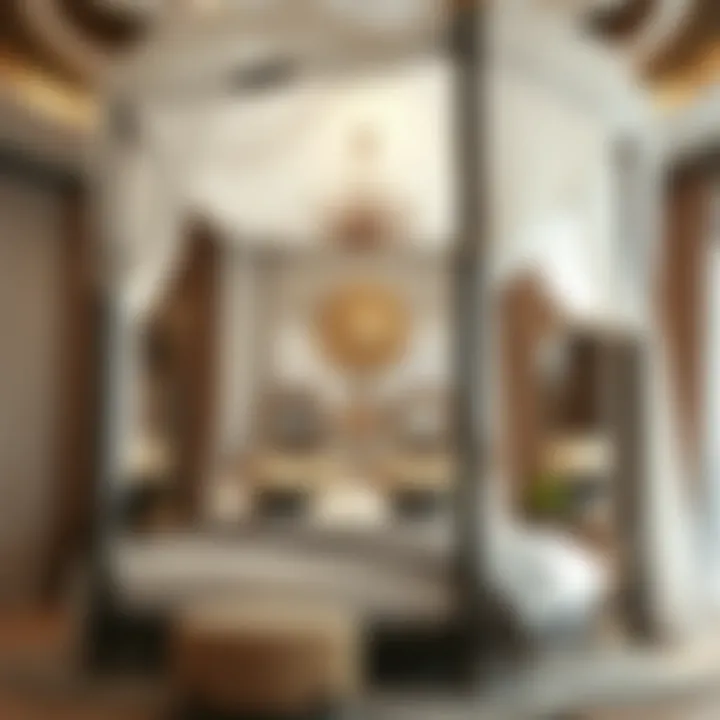
Traditional draped canopies are the quintessential image of a classic bedroom. They typically consist of fabric hanging from a frame, often four posts that hold the drapery in place. This style exudes elegance, creating a timeless appeal that can elevate your bedroom’s grandeur. Historically, these canopies were not only decorative but served functional purposes, offering warmth and privacy, particularly in drafty old homes.
One of the biggest advantages of a traditional draped canopy is its versatility in fabric choice. Whether you lean towards rich velvets for a luxurious feel or lighter linens for a breezy atmosphere, the fabric can drastically influence both texture and light quality.
Key considerations when choosing a traditional draped canopy include:
- Fabric: Opt for heavier materials in winter for warmth and lighter options in summer for a fresh feel.
- Color: Dark colors can create a dramatic vibe while pastels can evoke a sense of calm.
- Length and Height: Be mindful of room proportions; overly long canopies in a small space may feel restrictive.
Incorporating a traditional draped canopy not only enhances visual interest but also infuses the room with historical charm and an air of sophistication.
Modern Framed Canopies
Turning the page to contemporary aesthetics, modern framed canopies introduce a sleek and simplified look that speaks to today’s design ethos. Unlike their traditional counterparts, these canopies often utilize clean lines and geometric shapes, typically constructed from metal or wood. These frames serve not just a functional purpose but also a striking design element that can create an illusion of height and space within the bedroom.
The appeal of modern framed canopies lies in their ability to blend seamlessly with various design styles, including minimalist and industrial. They often come with built-in lighting features or shelving, enhancing their utility while maintaining a streamlined appearance. This type allows for a unique design twist:
- Materials: Think of metal frames in matte black or polished brass for an industrial look.
- Versatility: Patterns or textures can be added through curtain choices, allowing for personalization.
- Open Concept: These canopies can create an airy feel while still delineating the sleeping area in spacious rooms.
Adopting modern framed canopies offers a fresh take on bedroom design, catering to those who appreciate simplicity combined with sophisticated flair.
Sustainable Materials
As design trends shift towards more environmentally responsible choices, incorporating canopies made from sustainable materials marks a significant leap forward in bed design. Homeowners are becoming increasingly conscious of their ecological footprint, prompting a demand for materials that are not just stylish but also sustainable.
Utilizing organic fabrics like linen or cotton, which are naturally biodegradable, is a great start. Moreover, innovative manufacturers are emerging, offering fabrics made from recycled materials or sustainably sourced fibers. Here are essential factors to consider:
- Fabric Origins: Look for Oeko-Tex certifications, indicating that the fabric is free from harmful substances.
- Frame Materials: Bamboo or reclaimed wood are both durable and eco-friendly options for frames.
- Local Production: Supporting local artisans reduces transportation emissions and can lead to unique, one-of-a-kind pieces.
Choosing sustainable materials does not only enhance your bedroom's look; it also contributes to a healthier planet, aligning personal style with a broader, responsible lifestyle. By merging aesthetics with awareness, you can enjoy the beauty of your design while nurturing the environment.
Design Considerations
Integrating canopies into bed design opens up a world of creative potential. Not only do they add a decorative element, but they also serve multiple practical purposes. When pondering the significance of design considerations, it’s vital to examine the overall impact of canopies on a bedroom's aesthetic, functionality, and personal touch. These considerations can transform a mundane space into a cozy haven that reflects the occupant’s personality.
Aesthetic Harmony
Creating aesthetic harmony within a bedroom can breathe life into the space. Imagine a canopy that aligns well with existing decor—this creates a unified look that doesn’t feel jarring. Think about balancing textures, colors, and patterns when selecting a canopy. For instance, a soft, flowing fabric canopy might complement a rustic wooden bed frame beautifully, adding to the warmth of the room.


There’s also the importance of scale and proportion. A large, generous canopy can have a dramatic visual impact, making a spacious room feel even more grand. On the other hand, a delicate canopy can enhance intimacy in a smaller space, wrapping the bed in a comforting embrace. Ultimately, ensuring that the canopy's style matches the overall design narrative is crucial.
"A well-designed space has the power to influence mood and inspire creativity."
Space Optimization
Space is often at a premium in modern living spaces, making optimization crucial. When introducing a canopy, it’s essential to consider how it interacts with the available space. A canopied bed can visually anchor a room, drawing the eye and creating a focal point. However, it’s important to avoid overcrowding. For instance, leaving enough room between the canopy and other furnishings, like nightstands or lamps, can help maintain a sense of openness.
Canopies don't just take up vertical space; they also affect light flow. In spaces with limited natural light, opting for lighter fabric for the canopy can reflect more brightness, contributing to an airy feel. Conversely, a darker, heavier fabric may evoke a sense of warmth and security in a spacious room. Being mindful of these elements can greatly enhance the effectiveness of utilizing canopies in tight spaces.
Color Schemes and Textures
Color schemes and textures are pivotal in setting the tone of any space. When choosing a canopy, consider how its colors resonate with the rest of the bedroom. For a serene atmosphere, one might opt for pastel shades that promote calmness, while bold colors can energize or invigorate the space.
Textures also play a significant role. Layering different textures creates depth and visual interest. A canvas canopy mixed with soft blankets or chunky knit throw pillows can transform the bed into an inviting sanctuary.
In selecting materials, think about their interaction with light. Sheer fabrics allow light to filter through, creating an ethereal look, while heavier textiles lend a sense of drama. This combination of color and texture can evoke specific feelings—comfort, tranquility, or even luxury—when carefully curated. Understanding this can enrich the design and personal expression in the bedroom layout.
Installation Process
When it comes to adding a canopy to your bed, the installation process is not just a mere step; it’s the backbone of achieving a sophisticated and secure setup. This section delves into the fundamental aspects of installing canopies, exploring the essential tools required, a methodical step-by-step guide, and considerations for ensuring safety and durability.
Tools and Materials Required
To install a bed canopy effectively, you’ll need a collection of tools and materials that cater to your design choice and existing setup. Here’s a rundown of what you might require:
- Drill and Drill Bits: A must-have for making holes in walls or ceiling for support brackets.
- Screws and Anchors: Essential for mounting securely, especially if you are fixing to drywall or plaster.
- Measuring Tape: Accuracy is crucial; ensure your canopy hangs at the right height.
- Level: To make sure everything is aligned perfectly for aesthetic appeal and function.
- Hanging Rods or Poles: Depending on the type of canopy, you may need adjustable poles or rods.
- Canopy Fabric: Choose your fabric wisely based on weight and flow. Heavier fabrics will need stronger support.
"A well-prepared toolbox is the first step to a successful project. Always be ready with what you need, and it’ll make the next steps much smoother."
Step-by-Step Guide
This guide breaks down the installation process into clear, digestible steps:
- Choose Your Location: Decide where the bed will sit and the best spot for the canopy to hang. Consider window placements and overall room flow.
- Measure Twice: Use the measuring tape to determine the distance from the floor to the desired height of the canopy. This is typically anywhere from 7 to 8 feet above the floor.
- Mark Your Points: Once you determine the height, mark the drilling points on the wall or ceiling. Use a level to ensure that your marks are even.
- Drill Holes: Use the drill to create holes at the marked points. Be cautious and wear protective gear during this step.
- Insert Anchors: If you're drilling into drywall, it's important to use wall anchors for extra support. Insert them into the drilled holes according to the product instructions.
- Attach the Hanging Hardware: Secure the screws or brackets needed for your rods or poles to the anchors. Make sure they are tightly fitted.
- Hang the Canopy: Affix your canopy fabric to the rods or poles. If your design includes additional draping, ensure that it flows well and looks appealing.
- Final Adjustments: Check everything one last time. Adjust the height if needed and make sure the fabric hangs freely without binding.
Ensuring Stability and Safety
It's crucial to verify that the canopy installation is stable, ensuring both aesthetics and safety. Key factors to keep in mind include:
- Weight Bearing: Ensure that the materials used can bear the weight of the fabric without sagging or coming loose over time. Heavier fabrics require more robust rods and anchors.
- Regular Checks: Periodically inspect the mounting points to ensure that nothing has come loose and that everything remains secure.
- Avoid Fire Hazards: If your canopy fabric is close to light sources or heating systems, make sure to use flame-retardant materials.
- Consider Room Use: If the bedroom sees a lot of movement or is used for playful activities, confirming the sturdiness of the installation is paramount.
Integrating these considerations into your installation process will not only help secure the canopy effectively but also enhance the functional appeal of your bed design. Remember, a well-installed canopy enhances the beauty of your space while ensuring safety and longevity.
Maintenance of Canopies
Maintaining bed canopies goes beyond simple aesthetics; it’s a crucial element in ensuring that the structure serves its functional purpose over time. Whether you have a lavishly draped canopy or a sleek modern frame, understanding how to care for your canopy can enhance its lifespan, preserving both its visual charm and structural integrity.
Regular maintenance can prevent dull fabrics, tears, or structural instability that could prove hazardous. This section will walk you through the essential cleaning techniques, how to tackle repairs on damaged fabrics, and long-term care strategies to keep your canopies in top shape. A well-maintained canopy not only adds to the beauty of your bedroom but also contributes to a healthier living environment.
Cleaning Techniques
Keeping your canopy clean is paramount. The best approach often depends on the materials used. Here are a few techniques to consider:
- Dusting: Use a soft cloth or a duster to regularly remove dust.
- Spot Cleaning: For stains, use a mild detergent mixed with water. Dab the stain gently with a clean cloth, avoiding harsh scrubs.
- Machine Washing: If your canopy fabric is machine washable, ensure you follow the care label. Typically, washing in cold water on a gentle cycle is advisable.
- Steam Cleaning: For delicate fabrics, steaming is a great option to refresh them without direct contact that might cause damage.
"A stitch in time saves nine" holds true with cleaning; if you stay on top of it, the upkeep gets much easier!
Repairing Damaged Fabrics
Fabric canopies are prone to wear and tear, but tackling repairs doesn’t have to be overwhelming. Here’s a simple approach to keep your fabrics looking pristine:
- Identify the Damage: Check for any rips or frayed edges regularly. Early detection can save the fabric from further deterioration.
- Sewing: For small tears, you can hand sew or use a sewing machine. Use a thread that matches the fabric for a seamless look.
- Patching: For larger holes, consider using a fabric patch. This can be decorative, adding character to your canopy.
- Professional Help: If the damage is extensive or the fabric is valuable, seeking professional repair might be the best route. Services specializing in upholstery can often work wonders.
Long-Term Care Strategies
To prolong the life of your bed canopy, consider these long-term care strategies:
- Storage: If your canopy is not permanent, store it properly. Clean it before storage to avoid mold or unwanted odors.
- Environment: Keep it away from excessive humidity or direct sunlight to avoid fading and weakening of materials.
- Routine Checks: Incorporate a routine inspection into your cleaning schedule to catch any issues before they escalate.
- Consideration of Fabrics: Opt for fabrics that are known for durability and stain resistance if you're looking to reduce maintenance efforts in the long run.
Decorative Elements


When it comes to enhancing the aesthetic appeal of a bed canopy, decorative elements play a crucial role. These elements not only augment the visual impact of the design but also serve practical functions. They can evoke certain moods, create focal points, or simply enhance the overall ambiance of a bedroom. Therefore, it is essential to consider how these design aspects come together to reflect personal style or harmonize with interior decor.
Fairy Lights and Lanterns
Incorporating fairy lights or lanterns into bed canopies offers a whimsical touch that can transform any ordinary space into something magical. These lighting options create a warm, inviting glow that can enhance the mood of a room, whether it’s for a cozy night in or a romantic evening. When choosing fairy lights, warm white or soft yellow tones are generally preferred, as they help create a serene atmosphere.
For those seeking a bit more style, lanterns add an earthy, enchanting flair. They can be suspended from the canopy structure, bringing an artistic twist that serves both as lighting and decor. Imagine a soft, filtered light casting delicate shadows across the fabric of the canopy, creating a dance of light and shadow that draws one into a tranquil state.
"Lighting can make or break a space; it has the power to evoke emotions and alter perceptions."
Wall Art Suggestions
The walls surrounding a bed can significantly influence the overall aesthetic of the space. Wall art should complement the canopy design, tying the elements together into a cohesive look. A few considerations here are:
- Style Harmony: Choose wall decor that reflects the same theme as your canopy. A botanical print can enhance a nature-inspired canopy, while abstract art might align well with a modern design.
- Placement: Positioning art at eye level is key. This allows it to be appreciated fully and creates a balanced visual flow in the room.
- Colors and Textures: Using colors that echo those found in the canopy fabric can reinforce the design. Wall textures, like wood paneling or plaster, can also add dimension.
Complementary Bedding Choices
The bedding under a canopy is more than a practical element; it can be an integral part of the overall design. Selecting complementary bedding is vital for achieving a unified look. Here are several strategies:
- Color Coordination: Just like with wall art, ensure that your bedding colors either match or contrast tastefully with the canopy’s colors. A pastel canopy could benefit from crisp white bedding, creating a soft, inviting look.
- Layering Textures: Incorporate different fabrics to add depth. For instance, pair a smooth duvet with a fluffy throw blanket to create an inviting sanctuary.
- Pattern Balance: If your canopy features a bold pattern, opt for more subtle designs in your bedding. Patterns should never clash or compete for attention; instead, they should enhance and support each other’s presence in the space.
In essence, decorative elements serve more than just an aesthetic purpose. They create spaces that resonate with personal style while ensuring comfort and convenience. From lighting to artwork and bedding, each choice should be carefully considered, weaving together the story of the room and the serene escape it aims to provide.
Practical Applications
When considering canopies in bed design, practical applications speak volumes about their functionality and potential benefits in modern living spaces. While aesthetics often steal the spotlight, it’s crucial to recognize how canopies can contribute to overall comfort, safety, and personalization of a bedroom. Here, we delve into three primary ways canopies can enhance the functionality of beds: creating a cozy retreat, enhancing privacy, and improving acoustics.
Creating a Cozy Retreat
Picture walking into a bedroom that exudes warmth and tranquility. A canopy can serve as a defining element, which cocoon the bed in comfort. The soft draping of fabrics creates a sense of intimacy, offering a physical and psychological refuge from the outside world. In a busy household or a noisy neighborhood, such a space can become a personal sanctuary.
To effectively harness this cozy aspect, select materials such as cotton or linen, which not only bring softness but also have breathable properties. Consider warm colors or gentle patterns that resonate with serenity. Layers of plush pillows and blankets can further evoke that snug feeling. It is a little like wrapping yourself in a warm blanket on a cold day—the concept transcends into the realm of bedroom design as well.
"A well-designed canopy can not only beautify a space but also transform it into a haven of rest and comfort."
Enhancing Privacy
Privacy within one’s own home is paramount, and canopies can address this need cleverly. For those who share bedrooms or live in less secluded spaces, a canopy can create a visual barrier, especially when using drapes that are easily drawn to obscure sight lines. This feature is particularly beneficial in studio apartments or multi-use spaces where privacy might appear compromised.
When selecting canopies for privacy purposes, consider opting for thicker fabrics, such as velvet or heavy drapery, that not only block views but also enhance futher elements like sound dampening. The technique of layering also applies here; using sheer fabrics alongside thicker ones offers the flexibility to vary the level of privacy as needed throughout different times of the day. This gives a homeowner control over how intimate or open they wish their living space to feel.
Improving Acoustics
Lastly, let’s chat about the often-overlooked benefit of improved acoustics that come along with a canopy. Sound can travel through rooms, bouncing off hard surfaces and creating unwanted noise. By incorporating canopies, especially those made from heavier materials, homeowners can significantly dampen these sounds, leading to a more peaceful environment—something everyone can cherish after a long day.
For instance, in bedrooms adjacent to busy streets, this extra layer can act as a buffer, resulting in a more serene sleep environment. And just like a well-designed concert hall, fabrics absorb sound rather than reflect it, making every bedtime story or late-night conversation feel a little more special.
Canopies in Different Room Styles
In the world of interior design, canopies are often seen as mere decorative elements. However, they hold the potential for significant transformation across various room styles. Using canopies wisely not only elevates the aesthetic of a bedroom but also complements its functional aspects, enhancing comfort and personalization. Working with different room styles requires careful consideration of the existing decor, color schemes, and overall atmosphere. Incorporating canopies that align with the characteristics of each style can lead to a harmonious and inviting space.
Minimalist Spaces
Minimalist design rests on simplicity and functionality. In a minimalist bedroom, canopies can instill a sense of tranquility without overwhelming the senses. Opting for lightweight fabrics in neutral shades allows these canopies to serve as gentle accents rather than focal points. For instance, a sheer white cotton canopy draped over a bed can create an illusion of softness and airiness while maintaining the room's clean lines.
Key considerations for minimalism include:
- Material Choice: Select natural fabrics that allow light to filter through, creating an ethereal effect.
- Color Harmony: Stick to a monochromatic palette or soft tones that resonate with the minimalist ethos.
- Functional Elements: Canopies can double as simple curtain panels, providing gentle separation from the rest of the room if needed.
Bohemian Designs
Bohemian aesthetics thrive on diversity and creativity, and canopies can play a vital role in capturing this essence. Layering fabrics and colors is quintessential in Bohemian style, and canopies are perfect for expressing this. Rich colors, ethnic patterns, and an eclectic mix of textures allow the canopy to act as both a protective barrier and a bold statement piece.
To effectively incorporate canopies in Bohemian designs, consider:
- Eclectic Fabrics: Mix and match prints and textiles from different cultures, reflecting personal journeys and stories.
- Bold Colors: Use vibrant hues, like deep reds or earthy greens, to create a stunning visual impact.
- Accessories: Adorn the canopy with hanging plants, tassels, or fairy lights, enhancing the whimsical vibe that defines Bohemian decor.
Rustic and Vintage Looks
Rustic and vintage rooms often evoke feelings of warmth and nostalgia. In these settings, canopies made from natural fibers such as burlap or linen can enhance the charm of the space significantly. Employing muted colors, along with distressed wood and antique fabrics, establishes a warm, welcoming atmosphere.
Here are some suggestions for integrating canopies into rustic or vintage spaces:
- Weathered Finishes: Look for fabrics that have a worn, timeless appeal that aligns with the vintage theme.
- Natural Elements: Incorporate wooden or wrought iron frames for the canopies; these materials boast durability and aesthetics in line with rustic design.
- Layering: Consider layering the canopy with lace or embroidery to add a touch of delicacy and history, reminiscent of bygone eras.
Canopies do not simply serve a decorative purpose; they are a bridge to integrate one's personal style with functional needs. By thoughtfully incorporating these elements into varied room styles, they can manage to enhance beauty while fulfilling practical roles.
Innovative Ideas
Using Canopies in Small Spaces
When working with limited square footage, it can often feel like fitting a giraffe into a Volkswagen. However, clever use of canopies can make even the tiniest spaces feel grander. By employing sheer fabrics and lighter materials, you can create an illusion of extra height and depth. These canopies serve as subtle room dividers, providing both privacy and an inviting aesthetic without overwhelming the space.
- Lightweight Materials: Consider using fabrics like tulle or chiffon. Such materials can let in light, making the space feel airy.
- Vertical Designs: Tall, narrow canopies draw the eye upward, creating a sense of elevation. This can trick the mind into perceiving the space as larger than it truly is.
- Multipurpose Functionality: Use the canopy frame to hang light fixtures or plants, optimizing every inch available.
By thinking outside the box, even the coziest corners can transform into personal sanctuaries with a few thoughtful touches.
Outdoor Canopies for Daybeds
There’s something undeniably charming about sipping lemonade under a beautifully draped canopy while soaking up the sun. Outdoor canopies for daybeds not only add a touch of glamour but also create a transition space between inside and outside. A well-constructed canopy can also offer shelter, keeping sun and rain at bay.
- Material Selection: Choose weather-resistant fabrics such as canvas or outdoor-grade polyester. These materials resist fading and mildew, ensuring longevity.
- Shade Maximization: Positioning the canopy strategically can provide shade at various times of the day. This helps ensure that your outdoor oasis remains comfortable throughout.
- Decorative Touches: Add fairy lights or lanterns for evening ambiance. Incorporate cushions for comfort, creating inviting spaces that beckon relaxation.
With a bit of planning, an outdoor canopy can enrich your overall outdoor experience and become a favorite spot for family gatherings and quiet reading sessions alike.
Custom-Made Solutions
Every space is unique, and sometimes, cookie-cutter solutions just won’t cut it. Custom-made canopies allow for personalization that speaks to individual tastes and room styles. They can be tailored to fit specific measurements, color schemes, and desired functionalities. Here’s why considering a tailored approach can be a game-changer:
- Perfect Fit: Tailored canopies ensure a snug fit, allowing for maximum functionality without the awkward gaps that can come with premade pieces.
- Unique Designs: Work with artisans or local craftsmen who can bring your vision to life. This can be a great way to support local businesses while creating something exceptional.
- Eco-Friendly Choices: By sourcing sustainable materials, you can reduce your environmental impact. Opting for locally sourced fabrics can help keep the carbon footprint low as well.
In the end, a custom canopy not just enhances the decor but also provides a personal touch that indiscriminate designs might lack.
"Personalized designs often evoke a deeper emotional connection, making a space truly one-of-a-kind."
In summary, the innovative incorporation of canopies into bed design invites creativity, functionality, and personal expression. Whether it’s manipulating space in a small room, transforming your outdoor environment, or crafting something tailored to perfection, canopies can significantly elevate the ambiance of any setting.
Help Sections About Bed Canopies
Common Misconceptions
A thread runs through many misconceptions surrounding bed canopies that are simply not founded in fact. One common belief is that canopies are only suitable for grand rooms with high ceilings. This notion can discourage many from attempting to use canopies in smaller or simpler bedroom designs. In reality, canopies can adapt beautifully to varied ceiling heights with appropriate styles.
Another myth is cost. Many people assume that incorporating a canopy is synonymous with a hefty price tag. However, there's a broad spectrum of options available—mass-produced styles are introduced alongside custom-made solutions, accommodating budgets of all sizes. Prices can range from economical options to luxurious, bespoke designs, proving that canopies are accessible for many rather than the elite few.
"The beauty of a canopy bed lies not solely in its grandeur but in the charm it brings to a space, regardless of its size or cost."
Cost-Effectiveness
The cost of adding a canopy can vary widely, but there are significant factors that make this investment worthwhile. First and foremost, canopies can substantially elevate the visual appeal of a bedroom. When one considers the potential return in terms of space beautification and increased home value, the cost becomes palatable.
There’s also a practical side to consider. Canopies can provide additional insulation, keeping a room warmer in winter and cooler in summer, potentially reducing heating and cooling costs over time. Furthermore, with the right care and materials, canopies can last many years without needing replacement, adding to their cost-effectiveness.
Safety Concerns
Safety is an essential aspect when contemplating the installation of bed canopies. One prominent concern comes with height; canopies must be secured properly to prevent accidents. It's vital to ensure that the canopy frame is robust and can withstand any pressure, especially if children or pets are involved. Additionally, materials chosen should be non-flammable and suitable for use in bedroom installations.
Consider also the maintenance of the canopy fabric; dust and allergens can accumulate if not tended to properly. Regular cleaning and choosing hypoallergenic materials can mitigate health concerns. Ultimately, prioritizing safety in both the selection and installation process can help in creating a peaceful sleeping environment.
Ending
In wrapping up our exploration of canopies in bed design, it’s vital to recognize the multifaceted impact these elegant structures have on bedroom aesthetics, functionality, and personal expression. Canopies can transform an ordinary sleeping space into a sanctuary that reflects individual taste and lifestyle needs. Their integration goes beyond simple decoration; it invites a dialogue between history, culture, and modern living.
One of the key elements regarding canopies is their role in enhancing privacy and comfort. In this hectic world, a personal retreat becomes essential, offering tranquility right at home. By incorporating a canopy, one not only adds visual appeal but also establishes a cocoon-like atmosphere that enriches relaxation. Furthermore, the many styles and materials available mean that there’s something to suit every kind of interior design vision.
Another consideration is the capacity canopies have for personalization. Whether it’s through selecting the fabric that best matches the color scheme or adjusting the height of the drapery to meet practical needs, canopies empower homeowners to curate their unique spaces. This aspect aligns beautifully with current trends in home decor, where personalized touches are celebrated and encouraged.
Ultimately, leveraging the benefits of canopies can not only significantly influence the feel of a bedroom but also contribute to one's quality of life. As we seek more from our living environments, the significance of thoughtful, integrated design choices like these becomes all the more apparent.
Recap of Benefits
- Creates an intimate space: Canopies can help delineate a sleeping area, making it feel more cozy and welcoming, which in turn promotes better sleep.
- Visual enhancement: From traditional to modern styles, canopies can add depth and character to a bedroom, serving as a stunning visual focal point.
- Flexibility in design: With the myriad of fabrics, patterns, and structures available, homeowners can easily tailor a canopy to match their personal style and preferences.
- Functional utility: Beyond aesthetics, canopies can serve practical functions such as blocking drafts, reducing light exposure, and enhancing sound insulation within the room.
Encouraging Personalization
Personalization is the heart and soul of effective bed design, especially when it comes to the aesthetic appeal of canopies. Homeowners can explore various options to ensure that their canopies reflect their unique tastes and lifestyle.
- Fabric Choices: Opting for lighter, sheer materials like voile can create an airy feel, while heavier fabrics such as velvet can bring depth and warmth.
- Color Palette: Choosing colors that resonate with one’s personal vibe can significantly alter a canopy’s impact. Bold, vibrant hues or soft, muted tones can transform the mood of the room.
- Accessorizing: From adding fairy lights to complementing wall art, the accessories around the canopy can further personalize the space, creating a cohesive theme throughout the bedroom.
- Tailored Measurements: Customizing the height and width of the canopy can expand its functionality, ensuring it fits perfectly within the space while providing the desired aesthetic.