Essential Insights on Corner Bedroom Armoires and Wardrobes
Intro
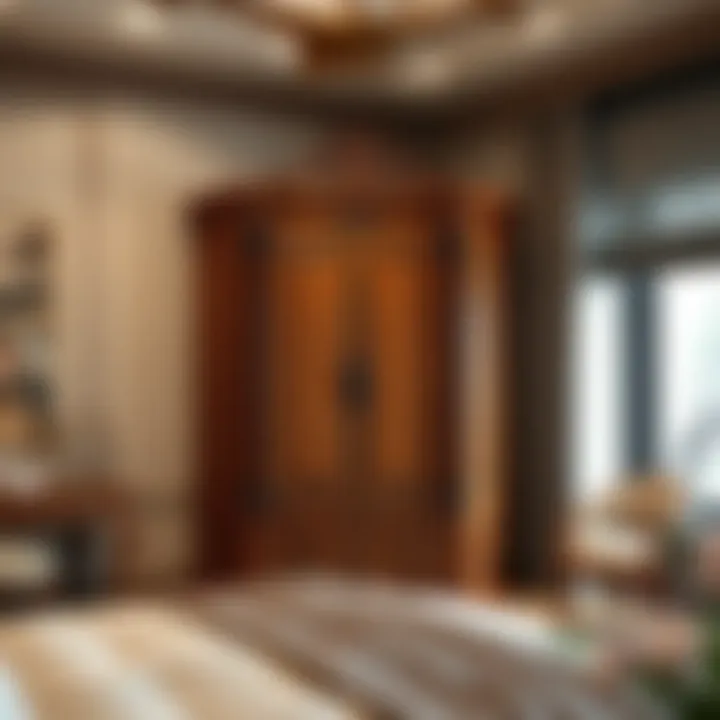
Corner bedroom armoires and wardrobes are not just functional furniture pieces; they are integral to the architectural dance within our living spaces. The unique design of a corner wardrobe traps space like a resourceful raccoon, providing valuable storage while making a statement. In this exploration, we dissect the blend of practicality and style that defines these furniture marvels. By understanding their evolution, contemporary appeal, and positioning within various bedroom setups, homeowners and design enthusiasts can uncover how best to incorporate these stylish units into their environments.
When it comes to furniture trends, corner armoires have journeyed through societal shifts, adapting to the ever-changing styles while maintaining their core purpose—efficient storage. As society places importance on minimalist designs coupled with functional excellence, these armoires especially shine. It’s a trend that is genuinely transforming how we perceive space.
In this article, we'll guide you through the nuances of selecting the right corner wardrobe for your bedroom, drawing attention to aesthetic choices that reflect personal style. From contemporary lines to vintage curves, each selection process is about mirroring one’s inner world through exterior design. Furthermore, we will offer tips on maximizing the potential of your corner wardrobe, ensuring your space isn't just filled, but well-balanced and harmonious.
Prelude to Corner Armoires and Wardrobes
Understanding corner armoires and wardrobes is vital for anyone looking to optimize the use of their bedroom space. These pieces of furniture are not mere storage solutions; they are design elements that enhance the overall aesthetic and functionality of a room. Placing an armoire or wardrobe in the corner can help utilize often-ignored areas, transforming them into stylish and practical parts of the bedroom.
Definition and Purpose
Corner armoires and wardrobes are specialized furniture designed to blend seamlessly into the corner of a room. Their unique shape allows them to maximize storage while occupying minimal floor space. An armoire typically serves multiple purposes; it can house clothing, accessories, and sometimes even antiques or cherished memories. On the other hand, wardrobes usually focus more on clothing storage, featuring hanging rods and shelving for organization.
These furniture pieces are particularly valuable in smaller bedrooms where every square inch counts. Their strategic placement can open up the room, creating a sense of spaciousness that is often lacking. Moreover, they add character and charm to the decor, making them a smart choice for anyone aiming to create a cohesive look.
Historical Context
The concept of corner storage isn't new. Historically, furniture has always reflected cultural and functional needs. Corner armoires first began appearing in Europe during the Renaissance. They were designed to compactly house a variety of household items. Over time, these pieces evolved, shifting from functional storage to decorative elements that contribute to the room's ambiance. In various cultures, the armoire also symbolizes wealth and status, often boasting intricate designs and craftsmanship.
In contemporary settings, we see a resurgence in their popularity, driven by the rise of minimalist design and the need for multifunctional spaces. Corner wardrobes today come in various styles, materials, and sizes, accommodating a wide range of design aesthetics—from traditional to modern. With a nod to both functionality and history, these pieces continue to infiltrate modern homes, making them vital in contemporary interior design.
Combining historical significance with modern design principles offers a compelling reason for homeowners to consider corner armoires and wardrobes. Their enduring appeal lies in their ability to meet practical needs while also serving as significant design features in any bedroom.
Understanding Corner Furniture Design
Understanding corner furniture design is pivotal when selecting armoires and wardrobes for a bedroom. Such designs are not merely about aesthetic choices; they embody the principles of functionality while maximizing limited room space. The appeal of corner furniture lies in its ability to combine both elegance and practicality in one tidy package. Corner placement allows for a more efficient use of space, transforming awkward corners into efficient storage solutions that blend seamlessly with the rest of the room.
Advantages of Corner Placement
The advantages of corner placement are manifold. When you place furniture in corners, you immediately open the floor area, which tends to create an illusion of a larger room. Rather than centering furniture in the middle of the room, which can often lead to a cramped environment, corner placements utilize space that would otherwise go to waste. This approach is particularly beneficial in smaller homes or apartments where every square inch counts.
Another huge benefit is the visual flow of a room. By strategically placing an armoire in the corner, you can guide the eye and create clean lines, making the space feel more coherent. This placement also allows for easier movement around furniture and ensures accessibility, especially when dealing with larger pieces that might otherwise obstruct pathways.
Design Considerations
Spatial Dynamics
When discussing spatial dynamics in the context of corner furniture, one must consider how the arrangement of pieces impact the flow and function of the room. Good spatial dynamics help establish an intuitive navigation path across the space. A well-placed corner wardrobe can crerate a natural flow, making it easier to access other parts of the room without feeling cramped. This contributes to the overall comfort and usability of the space.
One key characteristic of spatial dynamics is proportionality—ensuring that the size of the furniture is harmonious with the overall dimensions of the room. Oversized pieces can overwhelm a small space, while too-small items can feel inadequate or misplaced. Spatial awareness is crucial to achieve a balanced aesthetic.
Moreover, a unique feature of spatial dynamics is flexibility. Corner furniture can adapt to various layouts and styles, providing both functionality and aesthetic appeal. However, a potential disadvantage is that a poorly chosen corner might block natural light or hinder access to windows, limiting the room's brightness.
Visual Balance
Visual balance is another important aspect in corner furniture designs. Achieving balance means ensuring that the visual weight of the furniture complements other elements in the room, creating harmony. For instance, putting a tall armoire in a corner can contrast well with lower-profile pieces, thus maintaining a pleasing visual rhythm throughout the space.
One distinguishing trait of visual balance is symmetry. Though perfect symmetry isn't always necessary, distributing weight strategically helps prevent the ensemble from appearing lopsided. This balance not only elevates the aesthetics but also improves the overall functionality of the room.
When you think about a corner wardrobe, one unique feature is its ability to serve as a focal point, drawing attention without overwhelming the space. However, ensuring a balanced visual arrangement can be challenging; mistakes in proportions or placements can lead to awkward visual experiences.
"Space is the breath of art."
This famous quote speaks volumes about how the arrangement of furniture like corner armoires can drastically shape one’s environment.
Choosing the Right Material
When it comes to selecting the right corner armoires and wardrobes, material choice plays a crucial role. It can affect not only the aesthetic appeal but also the longevity and practical use of these essential pieces of furniture. Different materials bring unique characteristics to the table, influencing how they fit within your bedroom's overall design and functionality.
Wood vs. Metal vs. Combination
Wood
Wood has long been a preferred choice for furniture, and it’s easy to see why. Its natural warmth exudes a sense of comfort, which makes it ideal for personal spaces like bedrooms. Common types of wood used include oak, pine, and maple. Each has its own set of attributes. For instance, oak is known for its strength and durability, while pine tends to be lighter and more affordable. In traditional settings, crafted wood pieces can exude elegance and charm, making them timeless.
On the flip side, wood can be sensitive to humidity and may warp over time if not maintained correctly. To preserve its beauty, one must often engage in refinishing or sealing wood surfaces, especially in areas with high moisture or temperature fluctuations.
Metal
Metal, including options like steel or wrought iron, offers a more contemporary look. These materials are especially appealing in industrial or minimalist decor styles. Metal armoires can come with sleek lines and designs that make a strong statement without being overly bulky. They are also highly durable and resistant to damage, which makes them suitable for long-term use.
However, metal can sometimes feel colder or less inviting compared to wood. It’s also worth noting that while metal is low-maintenance, scratches can be more visible and less easy to repair compared to wood.
Combination
Opting for a combination of wood and metal can yield the best of both worlds. This hybrid approach allows designers to play with textures and styles. For instance, a wooden frame complemented by metal accents can create a balanced look that bridges traditional and modern design elements. This versatile option enables greater customization, allowing you to tailor the armoire to your personal taste and decor style. Such pieces tend to be sturdy while also providing the warmth that wood offers.
Durability and Maintenance
Another vital consideration in your material choice is durability and maintenance. This goes beyond just how your armoire looks and extends into how it will hold up under daily use.
- Wood tends to be more susceptible to scratches and water damage but can last decades with proper care. Regular polishing and occasional staining or sealing can keep it looking fresh.
- Metal offers superior resilience and can withstand years of wear and tear without significant repair issues. A simple wipe-down with a damp cloth is often sufficient for its upkeep.
- Combined materials, however, can vary with durability. For example, if your hybrid piece has a wooden base and metal doors, you'll need to consider care needs for both materials.
In summary, balancing aesthetics with practicality in material choice is key. Evaluate your personal style, the environment of your bedroom, and how often you plan to use the armoire. Ultimately, selecting the right material can greatly enhance your living space, ensuring that it is not only beautiful but also functional and enduring.
"Choosing the right material for your corner wardrobe is akin to picking the perfect outfit. It needs to reflect your style, while also being comfortable and practical for daily wear."
For deeper insights, check sources like Wikipedia for historical context or Britannica to understand various furniture styles. These resources can provide additional information that may help you make a well-informed decision.
Styles of Corner Armoires
In discussing corner armoires, acknowledging the variety of styles is essential. The choice of style greatly influences the overall aesthetic of a bedroom and provides insight into personal taste and the room's functionality. Corner armoires are not just practical; they also serve as focal points that can either elevate a space or blend seamlessly with existing decor. Whether you lean towards timeless designs or contemporary looks, understanding various styles helps in making an informed purchase that harmonizes with your bedroom's vibe.
Traditional Designs
Traditional corner armoires often feature intricate carvings, rich wood finishes, and classic lines. These pieces are usually sculpted from solid woods such as oak, mahogany, or cherry, highlighting craftsmanship and skill. Wide panels, ornate handles, and possibly even brass fixtures mark their elegance.
For homeowners drawn to nostalgia and quality, these armoires offer the charm of yesteryears, evoking a sense of history in their design. Example: an armoire with a hand-painted floral motif can serve not only as a storage solution but also as a conversation starter, encapsulating the essence of classic designs.
Three key benefits of traditional designs include:
- Timeless Appeal: They can blend with multiple decor styles, ensuring longevity in use.
- Durability: Traditionally crafted furniture tends to outlast its modern counterparts, given the quality of materials used.
- Aesthetic Value: Traditional designs can enrich a room visually, often acting as the centerpiece that ties various elements together.
Modern Aesthetics
On the opposite end of the spectrum lies modern aesthetics. Characterized by their sleek lines and minimalist approach, modern corner armoires often use materials like metal and engineered wood, paired with finishes that include high gloss or matte layers. Unlike traditional designs, these armoires focus on functionality and simplicity, aligning well with contemporary lifestyles.
One major advantage of choosing a modern armoire is its adaptability. They often come with integrated features like sliding doors and modular shelving that allow for personalized storage solutions.
Key characteristics of modern corner armoires usually involve:
- Clean Lines: The simplicity of design often emphasizes geometric shapes.
- Neutral Color Palettes: Colors like whites, blacks, and greys dominate, helping them fit effortlessly into various schemes.
- Versatile Functionality: Many modern designs come with added features like LED lighting and customizable sections.
As a specific example, an armoire featuring a sliding barn door can serve both as a trendy statement piece and a functional storage unit, embodying the essence of modern design principles.
Rustic and Vintage Inspirations
Rustic and vintage-style armoires embrace imperfection and nostalgia, often incorporating reclaimed wood, distressed finishes, and vintage hardware. This style reflects a sense of warmth and comfort, often ideal for cozy, inviting spaces.
The charm of rustic armoires often lies in their character. Each piece tells a story, with natural imperfections that give it a unique appearance. Elements such as weathered wood grains or antique handles contribute to this look.
When considering rustic or vintage armoires, some aspects to keep in mind include:
- Natural Texture: They tend to have raw, unpolished looks that add depth to a room.
- Environmentally Friendly: Many are made from reclaimed materials, appealing to eco-conscious consumers.
- Adaptability: These armoires can complement farmhouse decor, bohemian styles, or even modern aesthetics when paired correctly.
A lovely example of this style could include an armoire with barn door-style fronts decorated with wrought iron fittings, bringing together both functionality and a sense of the past.
In summary, whether one leans toward traditional elegance, modern simplicity, or rustic warmth, there's a corner armoire style suitable for every home. Choosing wisely can significantly affect a bedroom's overall feel, proving that style matters just as much as functionality.
Relevant resources for further exploration on the topic include:
By examining the array of styles available, one can better appreciate the potential of corner armoires in enhancing both form and function in a bedroom setting.
Functionality in Corner Wardrobes
Understanding the functionality of corner wardrobes is vital for anyone looking to make the most of their bedroom space. Not only do these wardrobes serve a practical purpose in storing clothes and personal items, but they also cleverly utilize oft-wasted corner spaces. In a world where maximizing space is increasingly essential, having functional furniture is of utmost importance. Corner wardrobes are designed to fit snugly into the corners of a room, allowing for optimal usage without encroaching on valuable walking space.
Storage Solutions
When it comes to storage solutions, corner wardrobes offer a unique advantage. They are more than just a piece of furniture; they can act as a central hub for organizing one's belongings. A well-designed corner wardrobe can accommodate a plethora of items ranging from clothing to accessories. The trick here is to understand that effective storage isn't merely about fitting as much as possible into a cabinet but rather organizing it in a way that's accessible and usable.
With corner wardrobes, you typically enjoy a combination of shelves, hanging space, and compartments that cater to various storage needs. For example, putting heavier winter coats up high and stacking shoes neatly at the bottom can provide a well-thought-out approach to maximize the wardrobe's potential. Think of this arrangement as a puzzle; the goal is to fit every piece together without leaving gaps.
Organizational Features
Drawers and Shelves
Drawers and shelves are crucial components of corner wardrobes and contribute significantly to their versatility. The beauty of drawers lies in their ability to keep smaller items organized, while shelves can store larger, bulkier goods. A charming aspect of drawers is their ability to keep everything tidy and out of sight. Imagine having a mix of socks, under garments, and accessories housed in neat little drawers, freeing up visual clutter


The key characteristic of drawers in these wardrobes is their compact design, allowing them to fit seamlessly into corner units. This makes them a practical and popular choice since they can easily slide in and out, minimizing the reach requirement when accessing the stored items. The unique feature of the drawers is often their soft-close technology, which reduces noise and wear over time.
However, it’s worth noting that the number of drawers can sometimes be limited by the space configuration. Hence, careful consideration must be given when selecting a corner wardrobe, ensuring that it has an optimal number of drawers for your needs without sacrificing space elsewhere.
Hanging Rods
Hanging rods are another integral feature that enhances the functionality of corner wardrobes. They enable the easy storage of clothes that require hanging, such as dresses, suits, or coats, which helps avoid creasing and damage. The key benefit of having hanging rods in corner wardrobes is their capacity to make full use of the vertical space.
Hanging rods are typically adjustable, which means you can customize the height depending on your personal needs. They also fit snuggly into corners, helping maintain a streamlined appearance. A unique aspect of hanging rods is the option to add tiered or double rods, offering even more versatility in how clothes are organized.
That said, hanging rods can face limitations when it comes to accessibility in deeper corner wardrobes. If a wardrobe is too deep, reaching the back rows of clothes can be a hassle. Hence, thoughtful design is crucial in ensuring that hanging rods are both functional and easily accessible.
In summary, corner wardrobes are a smart choice for anyone wanting to combine style and usability in their bedroom. By prioritizing storage solutions and organizational features like drawers and shelves, as well as hanging rods, these wardrobes can meet the diverse needs of homeowners effectively. Diligently choosing a wardrobe that fits your bedroom style can transform corners into functional spaces without compromising visual appeal.
Tailoring Corner Furniture to Bedroom Styles
Tailoring corner furniture to specific bedroom styles is crucial for creating a cohesive aesthetic that echoes the homeowner's personal taste and fosters comfort. Whether you're an interior designer, homeowner, or simply someone interested in home decor, understanding how corner armoires and wardrobes can blend seamlessly into various styles will evoke a sense of harmony within your space. With a keen eye for detail, you can maximize both function and aesthetics, ensuring that the furniture does not just occupy space but rather enhances the room's overall vibe.
Minimalist Settings
In a minimalist bedroom, simplicity reigns supreme. The philosophy here is to declutter and let each piece of furniture stand out meaningfully. A corner armoire in a minimalist setting typically embraces clean lines and a neutral color palette. Think about materials like light wood or white lacquer finishes, which can bring functionality without overwhelming the senses.
- Function Over Form: The design should prioritize utility, offering ample storage for clothing without unnecessary ornamentation.
- Sleek Finish: A matte surface can help to maintain a polished yet understated look.
- Integrated Lighting: Including integrated LED lights can enhance visibility and emphasize the wardrobe's sleek design during nighttime.
A well-placed armoire not only saves precious floor space but also adds visual interest without cluttering the aesthetic. Here, every detail counts; less truly is more.
Eclectic Decor
Eclectic decor is all about mixing and matching different styles, creating a contrast that feels unique and personalized. In such vibrant settings, corner wardrobes can serve as statement pieces that pull together various influences.
- Bold Colors: Opt for armoires painted in bright colors or those with distinctive patterns.
- Vintage Elements: Incorporating a vintage armoire with a history can provide a charming focal point.
- Diverse Materials: Mixing materials such as metal, wood, and glass can further enhance the eclectic feel.
In this layered approach, the corner armoire or wardrobe could become a conversation starter, blending seamlessly with various textures and styles while still retaining its functionality.
Luxury and Elegance
When it comes to luxury, nothing shouts sophistication like finely crafted furniture. A corner wardrobe designed for an elegant bedroom often incorporates exquisite materials and meticulous details. Here, the choice of an ornate armoire can elevate the entire room.
- High-Quality Wood: Dark woods such as mahogany or walnut often signify luxury, providing a rich, warm tone.
- Intricate Detailing: Carving and embellishments can showcase artistry and attention to detail, making the piece a work of art in itself.
- Reflective Surfaces: Incorporating mirrors or glossy finishes can add a sense of space and light, further enhancing the room's opulence.
In such settings, it's essential to ensure that functionality still holds weight. After all, a luxurious armoire should not just be visually appealing but also offer ample storage options, blending aesthetics with practicality in the most elegant of ways.
A well-tailored piece of furniture transforms a space, enhancing both style and purpose.
Maximizing Space with Corner Wardrobes
In the realm of interior design, especially when it comes to smaller bedrooms, corner wardrobes emerge as unsung heroes. Their unique construction allows optimal utilization of often-overlooked spaces, transforming corners into powerful storage areas. Shoehorning a bulky wardrobe into a limited space can result in a jumbled look, but corner wardrobes fit snugly while maintaining an aesthetically pleasing environment. This section provides insights into how effectively using corner wardrobes can reshape your spatial dynamics.
Utilizing Corner Spaces Effectively
Corners are those almost forgotten areas of a room. Often, they end up being catch-all spots for clutter. By incorporating a corner wardrobe, you're reclaiming this space rather than letting it fall by the wayside. For instance, a triangular wardrobe fits right into the corner, maximizing a room's layout without sacrificing style or functionality.
- Types of Corner Wardrobes:
- Design Tips:
- L-Shaped: Offers more depth and can usually fit more items.
- Triangular: Ideal for smaller spaces and works well for just hanging clothes.
- Custom-built options: Tailored to fit your specific corner dimensions.
- Choose a wardrobe that complements your room’s decor. A natural wood finish can add warmth, while a sleek, modern design can bring a contemporary flair.
- Mirrors on the wardrobe doors help reflect light, making the space feel bigger.
Visual Tricks and Layouts
The visual impact of your corner wardrobe goes beyond just storage; it shapes how your room feels. Here are some effective strategies for layout and tricks to enhance visual appeal:
- Color Blocking: Choose a color that either contrasts with the wall or blends into it. A statement color can draw attention and serve as a design focal point.
- Strategic Accessories: Add lights inside the wardrobe or on top to brighten the corner and provide greater ease of access.
- Layered Textures: Mixing materials—like wood, metal, and glass—creates depth and interest.
"A well-placed corner wardrobe can transform a simple bedroom into a stylish haven, maximizing function without compromising the aesthetics."
Combining these elements effectively leads to a harmonious space that feels well-planned rather than haphazard. Given the benefits corner wardrobes can provide, it becomes clear that they offer a blend of practicality and decorative potential that is hard to beat.
In the next sections, we will look more into how to organize the contents of these wardrobes to maximize their utility.
Budget Considerations
When considering corner armoires and wardrobes, budget considerations play an essential role. It's not just about picking a piece that looks good; it also needs to fit well within your financial plan. The price points for these pieces can vary wildly based on material, design intricacies, and brand reputation. Understanding your budget can help you navigate these options, ensuring that you find something both stylish and functional without breaking the bank.
Cost Analysis of Corner Armoires
To really grasp potential expenses, a cost analysis of corner armoires is prudent. Prices can range from a few hundred dollars for simpler designs made from engineered wood to several thousand dollars for bespoke, handcrafted pieces made from solid oak or mahogany.
Factors Influencing Cost:
- Material Quality: Solid wood tends to cost more than laminated wood. The premium feel and longevity of solid pieces justifies the higher price.
- Design Complexity: Custom designs, with intricate carvings or features like built-in lighting, add to the cost.
- Brand Value: Designer armoires have a markup due to their name and perceived quality.
In terms of size, larger armoires could command higher prices too. As a rule of thumb, it's good to allocate at least 20% of your total budgeting to unexpected costs related to delivery or assembly.
Finding Affordable Options
For homeowners and decorators on a budget, finding affordable options does not mean compromising on quality or style. Here are several approaches to consider:
- Explore Second-hand Shops: Thrift stores and online marketplaces like Craigslist or Facebook Marketplace can yield some unexpected treasures. A little elbow grease can bring a worn piece back to life.
- Consider Flat-Pack Furniture: Brands like IKEA offer stylish armoires at a fraction of the cost of traditional furniture stores. These can be more budget-friendly and provide modern functional designs.
- Sales and Discounts: Keep an eye out for seasonal sales or clearance sections in both online and brick-and-mortar stores. It might be worth waiting for that perfect piece to go on discount.
- DIY Enhancements: Sometimes all an affordable piece needs is a little paint or new hardware to make it feel uniquely yours and align with your decorative vision.
Don't let a tight budget lock you out of stylish storage solutions. With a bit of research and creativity, budget-friendly corner armoires can still bring charm to your space.
By being mindful of your budget and exploring the options outlined here, you can confidently choose a corner armoire or wardrobe that enhances your bedroom without emptying your wallet.
Ergonomics and Furniture Health
When it comes to furniture selection in your bedroom, especially with corner armoires and wardrobes, ergonomics plays a pivotal role. Understanding how furniture design impacts daily interactions can significantly enhance both functionality and comfort. The concept of ergonomics delves into ensuring that furniture not only meets aesthetic preferences but also complements how we move and operate within a space. This is especially crucial in smaller areas where corner furniture ideally fits, as it can either improve or hinder user experience.
User-Friendly Designs
User-friendly design is a key aspect to consider when investing in corner furniture. The basic premise is straightforward: the pieces should be accessible and adaptable to your lifestyle. A well-crafted armoire will have dimensions that allow users to easily see and reach every item without having to awkwardly bend or stretch. For instance, features like pull-out shelves and sliding doors can make a world of difference in terms of ease of use. Imagine trying to reach a winter coat stuffed at the back of a deep wardrobe. ?That’s just not practical!
Furthermore, the height of these pieces matters. Opting for furniture that aligns with your own height can reduce strain. Designers today are more mindful than ever about incorporating features that welcome everyone from the tall to the petite, resulting in armoires that feel inclusive.
- Slim profiles can help in small corners.
- Adjustable shelving can cater to changing needs, accommodating everything from shoes to blankets.
Incorporating ergonomic principles directly translates into a bedroom design that works for you, not against you.
Impact on Well-being
Investing in ergonomically sound furniture impacts not only the physical but also the mental well-being of users. When your environment is efficiently designed, it fosters a sense of order and calm. In contrast, if your space is cramped or cluttered, it can lead to feelings of stress and discomfort.
For instance, how many times have you found yourself frustrated searching for a specific outfit in an overcrowded wardrobe? This frustration can quickly transform a simple task into a mental burden. An organized, user-friendly corner armoire can alleviate this daily hassle.
Additionally, sustainable materials, which are often used in ergonomic designs, further contribute to one's overall well-being. Choosing furniture made from eco-friendly sources can enhance air quality, thus promoting a healthier living environment. The psychological benefits of knowing that you are making a responsible choice for the planet should not be underestimated as well.
A well-designed corner armoire not only organizes your space but also enhances your peace of mind.
Ultimately, the intersection of ergonomics and furniture health is not just about aesthetics. It involves thoughtful consideration of how users will interact with their environment and the long-term impacts on both comfort and clarity of mind. By prioritizing ergonomics, you create a harmonious balance that enriches everyday life.
Future Trends in Corner Furniture
In the rapidly evolving landscape of interior design, the focus on corner furniture, particularly armoires and wardrobes, is not just a fad; it represents a significant shift towards more thoughtful, practical design choices. Homeowners and designers alike are increasingly aware of how such pieces can enhance both aesthetics and functionality within a space. This section will delve into the importance of staying updated with future trends in corner furniture, as they reflect broader societal values such as sustainability and technology integration.
Sustainable Design Practices
One of the primary trends observed in the realm of corner furniture is the growing emphasis on sustainable design practices. In today’s world, where environmental concerns are at the forefront, utilizing materials that have a reduced carbon footprint is highly regarded. Eco-friendly options such as reclaimed wood, bamboo, or recycled metals are gaining traction.
These materials not only contribute to a healthier planet but also offer unique character and durability to furniture pieces. For instance, a corner armoire made from reclaimed barn wood might tell a story through its wear and patina, enhancing the rustic charm without compromising on eco-friendliness.
Moreover, sustainable design looks beyond just the material. Processes involved in crafting these items are also examined for ecological impact. Brands that employ responsible sourcing and low-waste manufacturing methods are attracting environmentally conscious consumers. This trend allows homeowners to make choices that reflect their values without sacrificing style or functionality.
"Sustainability is not a trend; it’s the future of design and the responsibility of every builder and maker."
Technological Integrations
As we step further into the digital age, technological integrations in corner furniture are ascending. Smart furniture solutions are being designed to address contemporary needs. For example, corner wardrobes equipped with integrated lighting that activates upon opening can significantly enhance the usability of the space. Some advanced models even incorporate charging stations or Bluetooth connectivity for smart speakers, creating multi-functional zones within bedrooms.
Another fascinating aspect of this technological wave is augmented reality (AR). Designers are increasingly exploring ways to allow clients to visualize corner solutions within their spaces using AR tools. These applications empower consumers to see how various styles and configurations will appear in their rooms before making commitments, thus minimizing buyer’s remorse.
In addition, automation in furniture design is becoming more common. Corner armoires that can adjust shelves with a touch or a remote add convenience to the design, responding to the needs of various lifestyle changes. With families growing and evolving over time, such innovative features add longevity to the investment in corner furniture.
By embracing these future trends, homeowners and designers not only optimize the utility of their corner spaces but also align their aesthetic choices with modern principles of sustainability and technological advancement. This alignment allows for a harmonious yet cutting-edge approach to bedroom design.
Epilogue
Wrapping up our exploration of corner bedroom armoires and wardrobes, it's quite clear that these pieces of furniture serve more than just a practical purpose. They shape the very fabric of the bedroom environment, influencing not only storage solutions but also the overall aesthetic and functionality of the space. By making the right choice in terms of design, material, and layout, homeowners can create a harmonious balance between style and utility.
Summary of Insights
In reviewing the key points of this article, we can distill several crucial insights:
- Design Versatility: Corner armoires and wardrobes come in a myriad of styles—whether you lean towards traditional, modern, or rustic designs, there’s an option to match your tastes.
- Maximized Space Utilization: The ability to utilize corners in a room that often goes neglected offers not only more storage but also a fresh layout that may provide a more spacious feel to the bedroom.
- Functionality: These units often incorporate practical features. Built-in drawers, hanging rods, and shelves cater to a variety of organizational needs, enhancing a bedroom's functionality without compromising on style.
- Personalization Possibilities: Customizability allows for the piece to align with one’s personal decor style while also accommodating the specifics of their living space, ensuring both practicality and aesthetic coherence.
Final Thoughts
Ultimately, the admiration for corner wardrobes and armoires lies in their duality of purpose: they are both an artful addition to the aesthetic of a bedroom and a solution to storage woes. Choosing the right piece involves considering your unique space requirements and stylistic preferences. With an understanding of spatial dynamics and design principles, you can turn a simple corner of a bedroom into a stylish statement. As you stand at the intersection of form and function, remember that your selection can significantly enhance the usability of your space while reflecting your personality. Whether you are a seasoned interior designer, a homeowner sprucing up your living quarters, or simply a curious enthusiast, investing time in understanding these essential furniture pieces is worthwhile.