
Choosing the Perfect Dining Table and Six Chairs


Intro
The dining room is often seen as the heart of a home—a place where meals are shared, stories are told, and memories are made. At the center of this space typically lies the dining table, accompanied by six chairs, a configuration that brings not just functionality but also flair to one’s dining experience.
When it comes to choosing this essential furniture combo, several factors come into play. It’s not merely about picking out a table and chairs that look good together; there’s a dance of dimensions, styles, and materials to consider. Understanding these nuances is key to curating a space that aligns with personal taste and lifestyle.
The world of dining furniture is constantly evolving, influenced by cultural shifts, design innovations, and consumer preferences. In this article, we'll explore the latest trends, tackle practical considerations, and share guidelines that will pave the way for making well-informed decisions. Whether you’re a homeowner looking to revamp your dining space or a seasoned designer eager to refine your selections, this guide strives to provide relevant insights to enhance your decorating journey.
Understanding the Importance of Dining Room Selection
Selecting the right dining room table and chairs is more than just a home improvement decision; it's a pivotal choice that can influence social dynamics and provide a sense of stability within a household. Dining furniture weaves itself into the fabric of our daily lives, becoming a stage for family gatherings, intimate dinners, and festive celebrations. Thus, understanding the significance of this selection extends beyond mere functionality—it's about crafting an inviting atmosphere that echoes comfort and style.
The Role of Dining Furniture in Home Aesthetics
When it comes to home interiors, every piece of furniture contributes to the overarching design narrative. A dining room table, paired with six chairs, can serve as both a centerpiece and a conversation starter. Imagine a sleek, walnut table juxtaposed with modern upholstered chairs—it transforms the dining area from just another room into a space that reflects personality and taste.
The choice of colors, shapes, and materials plays a crucial role. For instance, a round glass table can give an illusion of space in a smaller dining area, whereas a robust wooden table might evoke a sense of tradition and warmth. Beyond mere aesthetics, these selections influence how individuals perceive the home as a whole. A well-furnished dining area can lead to increased appreciation for a property, should one choose to sell it later on.
"Every piece of furniture has a story to tell in the context of design. The right dining table and chairs invite not just meals, but memories."
Functionality vs. Style: Finding the Balance
Striking a balance between functionality and style is essential. While it might be tempting to opt for chic and trendy designs, it’s vital to consider how these elements will perform in day-to-day living. A stylish chair that looks divine may not provide the comfort needed for long dinners or game nights.
To navigate this balance, one can reflect on several crucial aspects:
- Durability: Choose materials that withstand the test of time, especially if you have kids or pets underfoot.
- Comfort: Evaluate how the chairs feel. Sinking into a comfortable seat can enhance your dining experience.
- Space Utilization: Consider how easy it is to pull out chairs and allow enough room for movement. Crowded dining areas can dampen even the best of gatherings.
- Adaptability: If you host often, consider tables with extendable options to accommodate different group sizes.
In summary, finding the right dining room setup involves thoughtful consideration of both aesthetic appeal and practical needs. This holistic approach ensures that the dining room is not only beautiful but also functional, firmly establishing it as the heart of the home.
Key Considerations for Choosing a Dining Room Table and Chairs
Selecting the right dining room table and chairs is more than just picking a set from a catalog. It requires careful thought, as these pieces play a significant role in both functionality and aesthetics. A well-chosen dining setup not only enhances the home environment but also promotes a sense of togetherness during meals or gatherings. Here, we delve into the critical elements to consider when making this important choice.
Evaluating Space: Measuring the Dining Area
Before diving into styles and materials, it's wise to start with the basics: assessing your space. Knowing the dimensions of your dining area is pivotal. This isn't just about the physical size of the table and chairs, but also about how they will fit into your daily life.
- Measure your area: Take careful measurements of the dining space. Consider ceiling height, wall placements, and any existing furniture. A standard dining table is typically 28 to 30 inches high, while most dining chairs stand around 18 inches at the seat.
- Allow for movement: One often overlooked aspect is the room to pull out chairs and move around. A gap of at least 36 inches between the table and the walls or other furniture encourages easy movement and accessibility.
- Consider flow: Pay attention to how traffic moves through your dining area. If the arrangement causes congestion, it might be time to rethink your choices. Keeping the dining room functional means ensuring that it’s not just aesthetically pleasing, but also practical.
Selecting the Right Style: Modern, Classic, or Transitional
After space evaluation, it's time to ponder the style. The style of your dining table and chairs should harmonize with the overall design of your home, reflecting personal taste while also complementing existing decor.
- Modern: Characterized by minimalism, clean lines, and materials like metal and glass. This approach often focuses on functionality without excessive ornamentation.
- Classic: Often rich in detail, classic styles can evoke warmth and tradition through intricate woodwork and rich finishes. These pieces tend to have a timeless quality that can seamlessly integrate into various spaces.
- Transitional: This style melds elements from both modern and classic designs. It may incorporate neutral palettes with a mix of textures and finishes, allowing for versatility and adaptability in different settings.
Material Matters: Wood, Metal, Glass, and Beyond
When choosing dining furniture, material selection influences not just aesthetic appeal but durability and ease of maintenance. Here’s a closer look at some common materials:


- Wood: A favored choice for its warmth and variety. Hardwoods like oak and walnut offer long-lasting beauty and resilience. Different finishes can provide a distinct look, whether rustic or contemporary.
- Metal: Often used in modern designs, metal tables and chairs are known for their strength and clean lines. They’re typically paired with softer materials like cushions to balance their industrial aesthetic.
- Glass: Glass tables create an illusion of space and can make a room feel open. They are often paired with a variety of materials for the chairs, though care must be taken to prevent scratches or chips.
"Choosing the right materials involves weighing the pros and cons of each based on your lifestyle needs and aesthetic preferences."
- Mixed Materials: Some of the most intriguing designs incorporate a combination. For instance, a wooden table may have metal legs, or fabrics mixed with wood create a cozy yet stylish vibe.
Setting the Scene: Designing the Dining Room
Designing a dining room is more than just picking out a table and chairs. It’s about weaving together elements that create an inviting space for meals, conversation, and celebrations. This area serves as the heart of a home, where family and friends gather to share not just food but stories and experiences. Consequently, thinking carefully about every detail helps in establishing a space that resonates with personal style while meeting practical needs.
In the thick of it, color schemes and textures play a pivotal role in influencing the mood and feel of the room. The right colors can evoke warmth and comfort, making it easier to settle in for a long meal. Textures, on the other hand, can provide a tactile dimension that enhances visual appeal. From smooth, polished wood finishes to soft, plush fabrics, each element contributes to the atmosphere.
Moreover, lighting consideration is equally critical. Thoughtful lighting choices help set the tone, whether it’s a cozy family dinner or a lively gathering with friends. From chandelier brilliance to the gentility of table lamps, the right illumination can make all the difference. When approaching design, keep in mind the interplay between these elements: color, texture, and light form a threefold path toward creating a harmonious dining experience.
"Dining rooms are not just for meals; they are spaces that nurture connection and creativity."
Color Schemes and Textures: Creating Visual Interest
Color schemes should not be random; they must create a cohesive look that ties the table and chairs into the overall room design. Warm tones such as rich browns, golden yellows, or earthy terracottas can evoke a sense of comfort and create a welcoming ambiance. Conversely, cooler tones might introduce a sense of tranquility. When selecting colors, consider your existing decor as well as personal preferences.
The textures combined with colors can add layers of interest. Textured wallpapers, woven baskets, and smooth ceramics can mix beautifully. For instance:
- A rustic oak table pairs well with linen chairs to balance sturdiness and softness.
- Glass accents on metal lights can be beautifully complemented by a textured runner on the table.
Aim for contrasting textures that keep the eye engaged. Combining soft fabrics with hard surfaces introduces a dynamic interplay that can spark conversation as easily as a well-prepared meal.
Lighting Considerations: Enhancing Ambiance
Lighting transcends mere visibility in a dining room; it establishes an ambiance that impacts how meals are experienced. Dimmable options are ideal for flexibility during different occasions. Soft, warm lights create a cozy setting perfect for intimate dinners, while brighter lights can invigorate gatherings. Adding multiple sources of light, such as wall sconces and table lamps, can layer the illumination, providing versatility.
Consider the following common lighting styles:
- Chandeliers often become focal points and can reflect your style from traditional to modern.
- Pendant lights above a dining table can highlight the focal area while feeding functional needs.
In addition, utilizing natural light, if available, maximizes the room's openness during the day. Choose window treatments wisely to allow in light while still providing privacy.
This thoughtful interplay of color, texture, and light creates a harmonious environment that shapes the dining experience. As homeowners or designers delve into the intricate dynamics of the dining room area, these elements should guide their choices in crafting a space that fulfills both form and function.
Practical Tips for Maintaining Dining Room Furniture
Caring for dining room furniture doesn’t just prolong its life; it enhances its visual appeal and keeps your dining space inviting. From mundane spills to day-to-day wear and tear, your table and chairs face a barrage of challenges. Practicing good maintenance can help you avoid costly replacements and preserve the charm of your dining area. It's not just furniture; it's part of your home’s story.
Cleaning Techniques for Different Materials
Different materials require different cleaning methods. It's vital to know how to treat your furniture based on what it's made of to prevent damaging it. Here are a few techniques based on common materials:
- Wood: For wooden tables and chairs, combine equal parts of white vinegar and water in a spray bottle. Lightly mist the surface and wipe with a microfiber cloth. Avoid soaking the wood, as water can cause warping. For deeper cleaning and conditioning, use a specialized wood cleaner or a natural oil, such as lemon oil.
- Glass: Clean glass surfaces with a simple mixture of water and mild dish soap or a commercial glass cleaner. Use a lint-free cloth to avoid streaks. Be sure to handle glass items cautiously, as they can chip or shatter if not treated with care.
- Metal: For metal chairs or tables, dust regularly with a soft cloth to prevent scratches. For stubborn stains, a mild detergent mixed with water will do the trick. Avoid abrasive cleaners to keep the finish intact.
- Fabric Upholstery: For upholstered chairs, vacuuming is a must to remove dirt and crumbs. If possible, apply a fabric protector to keep stains at bay. For accidents, tackle stains promptly with a mixture of water and mild detergent. Always test a small, inconspicuous area before applying any cleaning solutions.
"Investing time in care can save money in replacements and repairs — it’s a no-brainer."
Protective Measures: Coasters and Table Covers


Prevention is often better than cure, especially when it comes to dining furniture. Using coasters and table covers can safeguard against both everyday mishaps and long-term damage.
- Coasters: These are non-negotiable when it comes to dining. Hot dishes, cold beverages, and even condiments have the potential to leave their mark. Invest in good-quality coasters, preferably those made from materials like cork or silicone which absorb moisture and resist heat.
- Table Covers: If you’ve got small kids, pets, or plan to host parties, consider using a table cover when the set is not in use. This not only prevents scratches and spills but also shields the surface from sun damage and fading. Look for covers that are easy to maintain and complement your decor. They come in a variety of styles, from simple cloth to more decorative options.
In addition to coasters and covers, consider placing placemats on the table during meals not just for style, but as an added layer of protection.
By taking a proactive stance on maintenance, you ensure that your dining room furniture not only looks its best but also continues to be a central part of your home life for years to come.
Exploring Trends in Dining Room Design
In an ever-evolving world, the dynamics of dining room design constantly shift, reflecting broader cultural and societal changes. The significance of this aspect in our article extends beyond aesthetics; it encapsulates how dining spaces shape interactions and experiences within homes. When one thinks about a dining room, it is not merely a place for eating; it embodies an arena where families bond over meals, conversations, and celebrations.
Staying abreast of current trends in dining room design is essential for anyone looking to create an inviting and functional space. These developments help reveal the needs of modern households, enhancing both style and utility. For homeowners, these trends present opportunities to reimagine spaces; for decorators and designers, they offer fresh perspectives to cater to client requests.
Some important elements to consider include:
- User Adaptability: The ways spaces are tailored to accommodate changing lifestyles.
- Technological Integration: Innovations that enhance convenience and style.
- Sustainability: Considerations for eco-conscious consumers.
Keeping these aspects in mind allows for a more informed approach to curating dining room designs that resonate with contemporary needs and values.
The Increasing Popularity of Multi-Functional Tables
As homes become increasingly limited in space and multifunctionality takes precedence, multi-functional tables have emerged as a game-changer. These pieces provide not only utility but also a canvas for creativity in design. Picture a dining table that morphs into a workspace or one that expands to accommodate more guests during the holidays—this flexibility is now a sought-after trait.
Some benefits of these tables include:
- Space Efficiency: Perfect for smaller homes or apartments where every square foot counts.
- Versatility: Ideal for hosting dinner parties or casual brunches, these tables can adapt their functions seamlessly.
- Design Innovation: Many multi-functional tables are crafted with aesthetics in mind, ensuring they are visually appealing in addition to practical.
Consumer demand is driving manufacturers to innovate in this area. They are designing tables with clever mechanisms and attractive aesthetics, thus appealing to a diverse clientele. The trend is to create not just furniture, but experiences that resonate with the inhabitants.
Sustainable Furniture Choices: An Eco-Conscious Approach
The global shift towards sustainability is notably permeating the realm of dining room furniture as well. Homeowners are becoming increasingly aware of the environmental impact of their choices, prompting a surge in eco-conscious design and manufacturing. When choosing a dining room table and chairs, opting for sustainably sourced materials not only contributes to overall well-being but also speaks volumes about one’s values.
Key elements regarding sustainable choices include:
- Material Selection: Reclaimed wood, bamboo, and responsibly sourced materials offer sturdy options with lower ecological footprints.
- Longevity: Investing in quality, sustainable furniture often means longer-lasting pieces, which can be a wise financial decision over time.
- Local Craftsmanship: Supporting local artisans and designers helps cultivate regional economies while often reducing transportation emissions.
The integration of sustainability into furniture design also allows for unique, one-of-a-kind pieces that tell a story—furniture that is not simply a commodity but an expression of one's philosophy and commitment to the planet.
"Dining spaces that embrace sustainable choices not only elevate aesthetic appeal but also reflect a commitment to a healthier planet."
By considering these contemporary trends, homeowners and designers can craft dining spaces that do more than just meet basic needs—they can become an integrated part of our evolving lifestyles.
Budgeting for Your Dining Room Setup
Setting a budget for your dining room setup is not just about numbers — it's about making informed decisions that align with both your aesthetic desires and your financial realities. The dining room table and chairs are more than mere furniture; they reflect your style, support your activities, and influence the ambiance of your home. When you plan your budget thoughtfully, you are better equipped to find pieces that complement each other and fit well within your overall design vision.
One key element is to determine how much you can spend without breaking the bank. This means evaluating your total expenses and identifying where flexibility exists. Some people might choose to splurge on a high-quality table, while opting for more budget-friendly chairs, or vice versa.
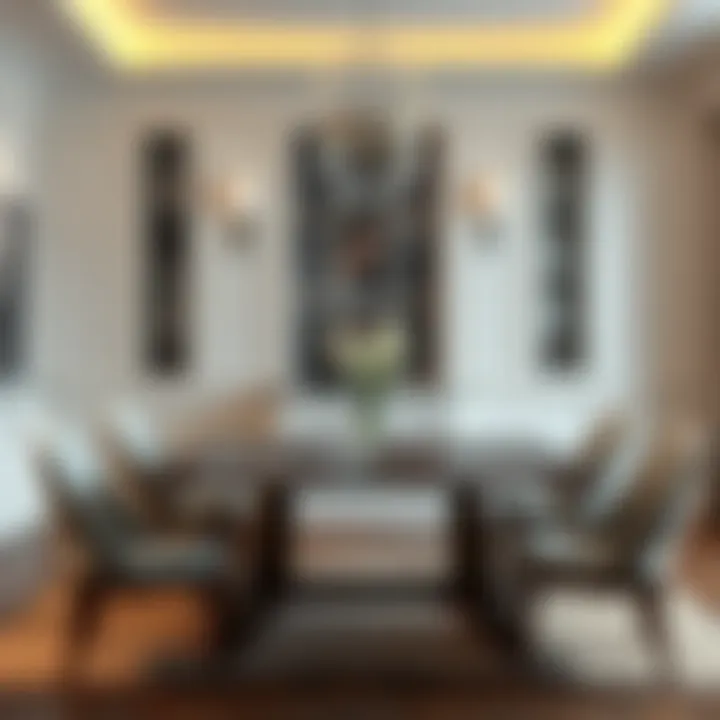
Another significant consideration should be durability versus cost. Inexpensive options may seem appealing, but if they wear out in a couple of years, you’ll find yourself spending more in the long run. Investing upfront in furniture made from solid wood or sturdy metal often pays off when longevity is factored in. Each decision you make can either enhance or detract from your dining room experience in the present and future.
Identifying Quality Within Your Price Range
When you’re navigating your budget, the challenge often lies in distinguishing real quality amid numerous options. To pinpoint quality without overspending:
- Research Brands: Know the names that stand the test of time. Companies with solid reputations often provide a balance of style and longevity.
- Examine Materials: Look for solid wood, metal, or high-quality composites. Particle board might be cheap but is prone to damage and often won’t last.
- Construction Standards: Check for dovetail joints, solid frames, and overall sturdiness. Furniture that feels stable and solid is usually worth the investment.
- Customer Reviews: These can be real eye-openers. Genuine feedback sheds light on long-term satisfaction.
"Investing in quality is a promise you make to your future self."
By focusing on these aspects, you’ll get a clearer picture of what will fit your financial plan while satisfying your quest for quality.
DIY Options for Custom Dining Solutions
For those willing to roll up their sleeves, there are numerous DIY options that can keep your budget down while allowing your creativity to shine. Here are several ideas:
- Upcycling: Seek out secondhand tables or chairs and refresh them with paint, stain, or new upholstery. A simple coat can completely transform a piece.
- Build Your Own: If you have some woodworking skills, consider designing a table or shelving unit using reclaimed wood or affordable supplies. Plans are plenty on sites like Pinterest.
- Mix and Match: Buy different sets of chairs that share a common design element, such as color or material, to create an eclectic yet harmonious look.
- Personal Touch: Add unique elements, whether it’s customizing cushions or creating a centerpiece with personal memorabilia or artworks.
Even with a tight budget, these options can help you create a dining space that tells your story and fits your unique style.
By being deliberate about how you spend your money, considering quality, and allowing your creativity to come into play, you can achieve a dining room setup that balances budget concerns, aesthetics, and purpose.
Exploring Cultural Influences on Dining Room Design
The dining room is often considered the heart of a home, where family gatherings, celebrations, and everyday meals converge. As such, the design of this space is heavily influenced by cultural elements that shape not only aesthetics but practices as well. Understanding these cultural influences can enhance both the functionality and visual appeal of the dining area.
Historical Perspectives on Dining Furniture
The evolution of dining furniture has deep roots in history. Ancient Greeks and Romans had distinct dining customs, marked by the use of specific types of tables and seating arrangements. For instance, the Greeks preferred reclined dining, utilizing low tables and cushions, while the Romans introduced larger tables known as "mensa" for more elaborate feasts.
During the Middle Ages, dining rooms became more prevalent in European households, with long banquet tables dominating the space. This era saw the rise of craftsmanship, where wooden tables were intricately carved, reflecting the wealth and taste of their owners. In contrast, Asian cultures, particularly in Japan, emphasized low dining tables paired with floor cushions, highlighting a different approach to mealtime.
This historical context is crucial for understanding modern dining room setups. By recognizing the practices of the past, homeowners can make informed decisions that resonate with their ancestral roots or reflect their heritage. That blend of function and tradition informs contemporary design choices, adding depth to spaces where meals happen.
Global Styles: Infusing World Elements into Your Space
In today's globalized world, it’s increasingly common to see elements from various cultures influencing the design of dining spaces. This fusion can manifest in multiple forms—from furniture styles to textiles and wall décor.
- Scandinavian Minimalism: This style’s clean lines and functional designs promote simplicity and comfort. Incorporating light woods, such as ash or beech, brings warmth and serenity, while strategically placed pendant lighting can enhance the atmosphere.
- Mediterranean Influences: Earthy tones and rustic wooden furniture can evoke the sun-drenched landscapes of southern Europe. Integrating ceramic or terracotta pieces adds an organic touch, inviting both warmth and charm to the dining experience.
- Asian Harmony: Implementing a balance of simplicity and elegance, Asian design principles emphasize natural materials and clean lines. Characteristics like low tables, sliding screens, or bamboo accents can evoke a sense of tranquility, ideal for family dinners or intimate gatherings.
The fusion of various cultural styles not only enhances visual appeal but also creates a welcoming atmosphere, inviting diverse conversations and shared experiences.
By exploring these global styles and historical perspectives, homeowners can curate spaces that reflect personal tastes while honoring cultural heritages. The dialogue between old traditions and contemporary needs plays a vital role in shaping modern dining experiences. Ultimately, the choices made in the design of a dining room table and its accompanying chairs should serve both aesthetic and functional purposes, ensuring that the space is not only beautiful but also deeply rooted in culture.
The Future of Dining Furniture
As our lives evolve, so do the spaces we inhabit and the furniture we choose to fill them. The dining room, a traditional hub for gathering and sharing meals, is no exception. The future of dining furniture is a subject of increasing importance in this article, as it reflects the changing dynamics of how we live, eat, and socialize. Understanding the trends shaping dining furniture design helps not only homeowners but also designers and retailers to align their offerings with contemporary values and preferences.
One key element in this discussion is the integration of technology in dining spaces. Technology isn't just about keeping up with the Joneses; it's about enhancing the dining experience. With the rise of smart homes, you find smart tables equipped with features like wireless charging, built-in speakers, and even temperature control to keep food at the ideal warmth. These features bring convenience but also a touch of modern flair. For instance, consider a table that integrates an extended screen, perfect for virtual family dinners or sharing recipes while cooking together. It's these nuances that hint at how dining experiences will increasingly blend with our digital lives.
Another point to consider is how shifts in consumer preferences are likely to influence future dining furniture. As global awareness of sustainability grows, consumers are showing increased interest in eco-friendly materials and designs. People are now drawn to reclaimed woods, bamboo, and even furniture made from recycled plastics. This shift is not just about the environment; it reflects a desire for a more meaningful connection to the spaces we occupy. When you invest in furniture that tells a story—be it through its materials or craftsmanship—you're also investing in your own lifestyle choices.
"The dining room has evolved from a space for mere meals to a canvas for personal expression and technological integration."
To stay ahead of the curve, it's crucial to anticipate these changes. Retailers and designers must adapt to multi-functional and space-saving designs that mimic the flexibility many modern families are seeking. If it's a choice between a bulky table that takes up much space or a sleek, expandable one that accommodates different gatherings, the latter certainly has the edge. Furthermore, dining chairs are also undergoing transformations. Expect to see ergonomic designs that prioritize comfort, even during long family dinners or work-from-home lunch breaks.
Ultimately, the future of dining furniture is likely to revolve around creating spaces that not only meet our functional needs but also enhance our lifestyle. By integrating technology and embracing sustainable practices, both the dining table and its trusted six chairs can become more than mere furniture; they can be essential elements in the evolving story of home life.