
Eclectic Dining Room Sets: Your Complete Guide
Intro
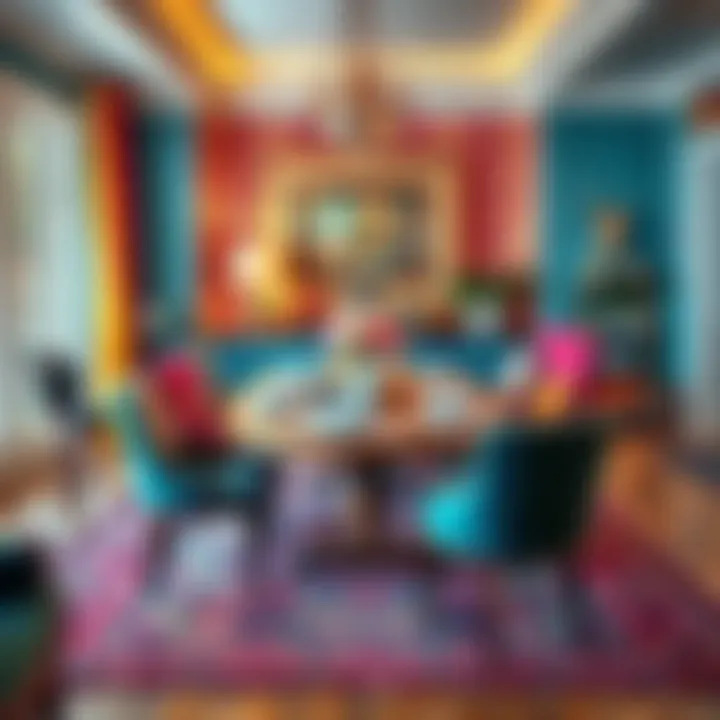
In a world where uniformity often rules, eclectic dining room sets shine like a diamond in the rough. These spaces intertwine various styles, textures, and colors, forming a beautiful mosaic that tells the story of the homeowner's personality and taste. A dining area doesn’t merely serve as a place for meals; it's a canvas for creativity, a gathering stage for friends and family, and a reflection of who we are.
The heart of this dynamic approach lies in knowing how to blend elements harmoniously without making the space feel mismatched or chaotic. This article aims to delve into the nuances of eclectic dining room sets, shedding light on their defining characteristics and the myriad ways to curate an inviting, functional area that resonates with individuality.
Throughout the discussion, we’ll unlock practical tips for ensuring that different styles coalesce, focusing on aspects like texture, color, and furniture choices. This guide is essential for homeowners looking to decorate their dining room, as well as interior designers and decorators seeking to harness the charm of eclectic decor.
As we navigate through this intricately woven topic, expect to uncover insights that reveal how to create a dining nook that not only serves its practical purpose but also transforms into a conversation starter, a cherished space where memories are made.
Understanding Eclectic Design
Eclectic design captures the spirit of mixing and matching different elements to create a unique, personalized space. It highlights the beauty that arises from diversity, enabling individuals to blend various styles and influences into their dining areas. The importance of understanding eclectic design lies in its ability to encourage creativity, inviting homeowners to freely explore their preferences without feeling tethered to a single style or era.
When approaching the concept of eclectic dining room sets, it's crucial to grasp the essence of this design philosophy. By appreciating the core tenets, one can effectively curate a space that reflects individual tastes and creates a warm, inviting atmosphere for gatherings.
Defining Eclectic Style
Eclectic style isn’t so much a cohesive set of rules but rather a framework for creativity. It permits the inclusion of different furniture pieces from various time periods, philosophies, and cultures, leading to an immensely unique aesthetic. Think of it like a delightful mixtape where contrasting genres of music blend harmoniously.
Embracing eclecticism means welcoming the unexpected. You might have a vintage wooden table from a farmhouse paired with sleek, modern chairs, or a traditional chandelier suspended above contemporary art pieces. No two eclectic rooms will ever look the same. This style allows for personal expression; it's about curating your environment to narrate your story through chosen design elements.
Historical Context of Eclecticism
To fully comprehend eclectic design, it's helpful to consider its roots. Historically, eclecticism has meant borrowing styles from various movements—an idea that traces back to the ancient Greeks, who admired and adapted ideas from different cultures.
In interior design, the term gained traction during the 19th century, often used to describe architecture that combined elements and principles from diverse styles. Architectural greats like Richard Morris Hunt and Louis Sullivan are prime examples of this blending.
In modern times, eclecticism has evolved. Today's designers draw from a global palette, intermingling traditional crafts with contemporary materials, reflecting a world that's more interconnected than ever before.
Core Principles of Eclectic Design
- Personalization: The heart of eclectic design lies in individuality. Each item in your dining room should hold some significance to you, be it a souvenir from travels or a piece with familial heritage. This principle ensures that no two spaces are alike.
- Balance: While chaos and disorder are often associated with eclecticism, achieving equilibrium through color and shape is crucial. It’s about finding harmony, such as pairing bold colors with soft textures, to maintain an aesthetically pleasing space.
- Layering: Layering different textures, materials, and colors within your dining room can create depth and interest. Think about diverse fabrics on chairs or combining smooth surfaces with rough-hewn pieces.
- Defined Focal Points: An eclectic dining room may thrive on having multiple focal points, be it an art piece above the sideboard or an eye-catching centerpiece on the table. These elements should guide the eye naturally through the space without overwhelming it.
In summary, an understanding of eclectic design is fundamental for anyone looking to create a distinctive dining atmosphere. By defining the style, appreciating its historical context, and adhering to core principles, homeowners and designers can breathe life into their spaces, making dining not just a meal but an experience.
Key Elements of Eclectic Dining Room Sets
When diving into the realm of eclectic dining room sets, one quickly realizes that this style isn't just about random selections thrown together. It's about weaving a narrative with distinct elements, each contributing to a greater tapestry of individuality and warmth. The essence of eclectic design resonates with the interplay between diverse styles and textures, showcasing personal stories through the choice of furniture, colors, and materials.
Furniture Types and Their Roles
In an eclectic dining room, furniture types play a pivotal role—each piece brings its unique character while still fitting into a holistic vision. Imagine a grand mid-century modern table paired with rustic farmhouse chairs; this harmonious contrast not only tells a story but also invites conversation around the dining table. Each piece should serve a purpose beyond function; it should resonate with the personal style of the homeowner.
Here’s a brief rundown on key furniture types:
- Tables: The centerpiece of any dining room. Whether it’s a sleek glass top or a sturdy wood design, the table sets the stage for gatherings.
- Chairs: Mixing and matching different chair styles can create a lively atmosphere. For instance, Eames-style chairs next to antique wooden ones can showcase a timeline of design evolution.
- Buffets and Sideboards: These pieces offer both storage and aesthetic appeal. They can reflect vintage charm or contemporary sleekness, depending on your vision.
- Lighting Fixtures: An eye-catching chandelier or a series of pendant lights can draw the eye upward, adding drama and intrigue to the room.
A well-considered mix of furniture types can enhance functionality while showcasing creativity, making every meal an experience.
Choosing Textures and Materials
The interplay of textures and materials is crucial. In eclectic dining, opposed surfaces can either clash or complement, so proper selection is fundamental. Mixing smooth textiles like velvet with rough-hewn wood creates a multi-dimensional appearance that is rich in tactile engagement.
Consider these material choices:
- Wood: A timeless choice that can be used in tables, chairs, and even decor. Variations in grain and finish can add a rustic feel.
- Metal: Adding metallic finishes or accents can infuse a modern touch. Think about metallic light fixtures or chair legs that stand out.
- Textiles: Upholstery can dramatically alter the mood. Fabric choices like linen, cotton, or even an unexpected leather can add softness or edge depending on your aims.
- Ceramics: Bring some artisanal flair with handmade ceramic dishware. This not only beautifies the dining experience but also adds a cultural narrative.
Incorporating a variety of materials ensures the dining area remains engaging and lively, making it the centerpiece of the home.
The Impact of Color
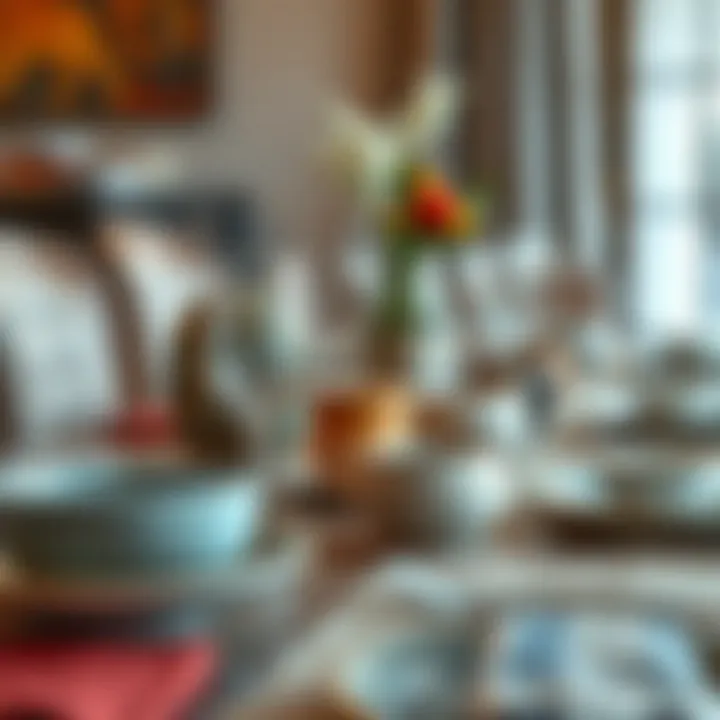
Color is a game-changer in any design, and in eclectic dining rooms, it can evoke emotions and set the mood. Selecting a cohesive palette that harmonizes various colors while allowing for surprises can create a dynamic environment. Think of a statement wall painted in deep teal or a vibrant mustard yellow—these bold colors can serve as conversation starters.
To guide your color choices, consider the following strategies:
- Bold Accents: Introduce bright colors through accessories like table runners or floral arrangements.
- Neutral Backgrounds: Use softer tones as a base. Whites, greys, or beiges can allow for more freedom in accent colors without becoming overwhelming.
- Layering Shades: The charm of eclectic design often lies in layered hues. Combine analogous colors, such as blues and greens, for a soothing look, or clash complementary colors for a vibrant atmosphere.
- Consider Natural Light: The amount of sunlight your dining area gets can alter the perception of color. Warm colors can create coziness in darker spaces, while cool hues can brighten up sunlit areas.
In the end, color can unify disparate elements within the room, underscoring the eclectic theme while also enhancing the dining experience.
"A successful eclectic dining room is one that balances unpredictability with its cohesive vision, making each meal a feast for the senses."
Crafting an eclectic dining space is about thoughtfully amalgamating various elements—each furniture type, texture, and color plays a distinct role in creating a harmonious yet dynamic environment. With these key elements, you can curate a dining area that’s not just a place to eat, but a reflection of your unique journey.
Combining Styles in Dining Room Sets
In the realm of eclectic dining room sets, combining styles isn’t just an aesthetic choice; it’s a narrative waiting to be told. This fusion creates spaces that are more than just dining areas; they reflect personal stories and cultural influences. Blending various design elements can elevate the dining experience, giving it a warmth and uniqueness that's often absent in more uniform designs.
When thoughtfully executed, merging styles can bring together the old and new, the foreign and local, the artisanal and the commercial. The benefits extend beyond mere appearance; such combinations can also enhance functionality and dialogue among the pieces in your dining room. Here, let's delve into three pivotal ways to curate these experiences: mixing vintage and modern elements, integrating global influences, and utilizing custom and DIY pieces.
Mixing Vintage and Modern Elements
The interplay between vintage charm and modern sleekness can yield striking results in your dining room. Imagine, if you will, a polished mid-century modern dining table surrounded by French provincial chairs. This juxtaposition narrates a tale of time travel, each piece resonating with its own history.
- Emphasizes Contrast: By merging the two styles, you allow each element to shine brighter. The crisp outlines of modern furniture juxtaposed with the soft curves of vintage creates visual interest.
- Bridges Generations: Homes with mixed styles often resonate with a wider audience. An eclectic environment invites everyone in, making it easier for friends and family to feel at home.
- Cost-effectiveness: Often, vintage pieces are more affordable than their newer counterparts. You can embrace designer shapes without burning a hole in your pocket.
To achieve this mix, one could take note from the rules of thirds: dominate a space with one style while layering the other. A neutral palette tends to unify and can serve as a canvas to showcase the mix without it feeling like a patchwork quilt.
Integrating Global Influences
Just as food has global flavors that come together for harmony, so can your dining space reflect a multitude of international styles. Integrating global influences not only adds a layer of depth to your decor but allows for discovery.
- Cultural Significance: Unique pieces from different parts of the world can highlight personal travel stories or family heritage, making your dining room a tapestry of experiences.
- Diversity in Design: From handwoven textiles of South America to geometric patterns from Africa, introducing diverse ornaments enriches the aesthetic.
- Eclectic Harmony: The key is to maintain a sense of continuity amidst differences. One could use a common color palette or material, such as wood or metal, to tie diverse styles together.
When curating global pieces, pay attention also to functionality. A beautifully crafted Moroccan table can serve as a stunning center point while still being practical for everyday meals.
Utilizing Custom and DIY Pieces
In our digital age, the ability to personalize is at your fingertips. Custom and DIY pieces add a personal touch that mass-produced furniture can never replicate. They tell a story about who you are, what you value, and perhaps even your ambitions.
- Authentic Touch: A DIY project, be it a hand-painted table or a repurposed dresser, brings genuine character. These are conversation starters that invite guests to engage.
- Tailored for Space: Custom pieces can optimize your space according to its unique dimensions and your specific needs. Rather than forcing a standard-size set into your dining room, a custom-built table could fit like a glove.
- Spirit of Creativity: DIY projects often reflect your creative spirit. Trying a hand at crafting, whether through painting or upholstery, allows for an exploration of materials and styles.
To give them life, pair these items with existing furnishings and fabrics. Again, repetition of colors will help melt DIY projects seamlessly into your overall decor.
In essence, combining styles in your dining room sets cultivates not only an engaging space but one bursting with personal significance. Emphasizing connections between pieces, you allow your home to resonate with your distinct story, transforming ordinary meals into celebrations of life itself.
For further insights, one can explore additional themes of interior design through resources like Britannica, or learn about contemporary styles on forums like Reddit. Whether you take inspiration from the past or use global motifs, the possibilities in creating an eclectic dining experience resonate widely.
Practical Considerations for Eclectic Dining Rooms
When diving into the world of eclectic dining room design, it's easy to get caught up in the visual flair and the excitement of combining various styles. However, the backbone of any well-designed space is practicality. The importance of practical considerations in eclectic dining rooms cannot be overstated. It's not just about what looks good; it's about creating a space that is functional and comfortable for day-to-day use.
Space Planning and Layout
Space planning serves as the foundation of your dining area. The layout should reflect your lifestyle needs. Think about the flow of movement, intentions for entertaining, and, importantly, how many people you generally host at your table. In a grand design world, furniture placement can make or break your overall aesthetic.
- Identify Focal Points: Every room has a visual center. This could be a stunning dining room table or a captivating piece of art. Position your furniture to draw attention to it.
- Create Zones: If your dining area is part of an open floor plan, dividing the space can help maintain a cohesive yet eclectic vibe. Use rugs or different furniture heights to differentiate areas within the same room.
- Flexible Furniture: Consider furniture that can adapt to varying numbers of guests. Extendable tables and stackable chairs ensure you're covered, whether it's a quiet family dinner or a lively soirée.
By carefully planning your space, you'll find a balance between aesthetic appeal and functionality.
Functional Considerations
Functionality is where many eclectic dining rooms stumble. A beautifully arranged space can become impractical if it doesn’t suit daily needs.
- Traffic Flow: Ensure that people can move freely without obstacles. If your dining table is a few short steps from the kitchen, it makes serving meals easier.
- Storage Solutions: In eclectic design, maximizing storage can be a tricky balance. Incorporate stylish shelving or vintage cabinets that offer not only storage but serve as decor. Hidden storage can keep the space looking tidy.
- Lighting: Layer your lighting. Bright overhead fixtures can create a stark atmosphere while soft table lamps and wall sconces add warmth. Make sure that your lighting is not just beautiful, but also practical for dining.
Planning around these functional aspects means your space won’t just be eye-catching; it will also accommodate life as it unfolds.
Creating a Cohesive Look
Achieving a cohesive look in an eclectic dining room is like piecing together a jigsaw puzzle. It requires thoughtfulness in selecting your elements to ensure they complement rather than compete.
- Color Palette: Choose a color palette that can unify various styles and pieces. These colors can be muted tones or vibrant palettes but should echo throughout the space to provide a sense of cohesion.
- Consistent Material Use: While mixing materials is a hallmark of eclectic design, it's essential to have some consistency, too. Whether it’s through woods, metals, or fabrics, find a few common materials to stitch everything together.
- Personal Touches: Include personal items or heirlooms that carry stories. This not only adds character but deepens the connection to your space.
Culmination
In a world where design can sometimes prioritize form over function, reconnecting with the practical aspects of eclectic dining rooms is essential. The interplay of space planning, functional needs, and cohesive aesthetics creates not just a room, but a living environment that supports and enhances daily life. A little attention to detail can go a long way in ensuring that your eclectic dining room is as functional as it is fabulous.
Innovative Ideas for Decorating Dining Rooms
Decorating a dining room can feel like a daunting task, especially when trying to achieve that perfect eclectic vibe. This section digs into innovative ideas that not only enhance aesthetics but also reflect personal taste and comfort. Also, these ideas can be game changers when it comes to integrating function with style, making your dining area not just a place to eat, but a space to experience. By focusing on unique and dynamic elements, homeowners can ensure that their dining rooms stand out and resonate with individuality.
Unique Centerpieces and Table Settings
Centerpieces serve as the heart of dining tables, grabbing attention and setting the mood. Think of unique centerpieces as conversation starters, telling a story about your style and personality. These can be crafted from a mix of oddities found during travels or inherited treasures that speak to history.
- Layering Elements: Mix a variety of heights and materials. For example, combining a tall glass vase with a simple wooden bowl can create visual interest.
- Personalized Touch: Utilize items with personal significance. A handcrafted pottery piece from your travels can evoke memories while enhancing the table's aesthetic.
"Every dining table tells a story. Layer yours with elements that speak to who you are or where you’ve been."
Accent Walls and Textiles
An accent wall can inject vibrancy into an eclectic dining room. Selecting the right wall can act as a backdrop that complements the dining set and becomes a statement piece in itself. Textiles contribute not just warmth but also character.
- Choosing Paints and Patterns: Bold colors or intricate wallpapers can radically change the ambiance. A rich emerald green or an abstract pattern might just do the trick, framing the dining space superbly.
- Layering Textiles: Use table runners, placemats, and cushions in various textures. For example, a woven table runner paired with velvet cushions can create a dynamic vibe while ensuring comfort.
Lighting Options to Enhance Design
Lighting is often the unsung hero in any room, especially in creating an inviting atmosphere. The right lighting can elevate not only the aesthetic but also the functionality of the dining space.
- Layered Lighting: Consider combining ambient, task, and accent lights. A stunning chandelier can provide overall illumination, while sconces can highlight artwork or the accent wall.
- Unique Fixtures and Styles: Look for lighting fixtures that speak to your style, such as industrial pendant lights or bohemian lanterns. These will enhance the overall eclectic look while performing their basic function.
By embracing these innovative ideas, your dining room will transform into a vibrant tapestry of styles and stories. Through unique centerpieces, carefully chosen accent walls, and well-thought-out lighting solutions, you can create a dining environment that feels both inviting and remarkably personal.
Case Studies: Successful Eclectic Dining Room Designs
The examination of successful eclectic dining room designs offers a treasure trove of inspiration and practical insights, revealing how blending disparate elements can yield unique outcomes. The beauty of eclecticism lies in its ability to reflect personal narratives while maximizing space’s potential functionality. Exploring these case studies illustrates the fundamental principles at play, showcasing how creativity and intention can transform any dining space into a vibrant hub of life and interaction.
Urban Spaces: City Apartment Dining
City apartments can often feel cramped, but with an eclectic approach, these small spaces can burst with personality and warmth. Take, for instance, a New York City apartment where the dining area doubles as a cozy nook. Here, a round wooden table, salvaged from a vintage market, is paired effortlessly with mismatched chairs, each with its own story.
A vibrant, oversized abstract painting hangs above the table, juxtaposing modern art with classic wooden textures, while an old suitcase sits nearby, serving as both decor and storage. The overall effect creates a charming ambience, making the area inviting for both casual dinners and lively gatherings. This case emphasizes that in urban spaces, even the littlest details can add depth, making the environment feel more spacious and eclectic.
"In an eclectic dining space, even the quirkiest elements can harmonize to create a warm and inviting atmosphere."
Rural Homes: Embracing Nature
Rural homes often present a different challenge; how to cultivate a dining space that feels connected to the lush landscapes surrounding it. An exemplary case can be found in a farmhouse situated amidst rolling hills. The owners opted for reclaimed barn wood for their dining table, which is not only a nod to the local heritage but also radiates rustic charm.
Complemented by wicker chairs and bright, locally sourced textiles, the dining area embodies a welcoming yet eclectic vibe. The addition of potted herbs on the windowsill and nature-inspired wall art grounds the design in the rural context. This illustrates that embracing the essence of the outdoors can create a harmonious dining experience while effortlessly integrating the home’s environment into the decor.
Eco-Friendly Approaches to Eclectic Design
Emphasizing sustainability in eclectic design shines a light on how we can craft beautiful spaces without compromising our planet. An interesting case is a dining area designed with entirely upcycled materials, reflecting a commitment to eco-friendliness. Here, the table is an old door remade into a dining surface, surrounded by chairs that were brought back to life through colorful paint and artistic upholstery.
Light fixtures crafted from reclaimed wood and biodegradable materials cast a warm glow, and the addition of potted plants brings vitality to the area. This demonstrates that it’s possible to create a distinctive and inviting dining room that doesn’t sacrifice style for sustainability. The case promotes the idea that going green can intertwine beautifully with eclecticism, encouraging both creativity and conscientious consumption.

In synthesizing these case studies, one can appreciate how diverse settings and thoughtful details come together in eclectic dining room designs. Each example serves not just as inspiration but as a reminder that the journey towards crafting a cohesive yet diverse dining space can be both rewarding and rich in personal expression.
Sourcing Eclectic Furniture and Decor
Sourcing eclectic furniture and decor is not just about filling a room with random pieces; it’s about cultivating a unique narrative that reflects personality and taste. In the eclectic style, furniture and decor items tell a story, forging connections across different eras, cultures, and aesthetics. This section focuses on how important it is to gather elements that resonate with you and create a cohesive thematic experience that is inviting and visually appealing.
The process of sourcing eclectic pieces requires a discerning eye and a willingness to explore. It involves delving into various avenues and discovering items that breathe life into your dining area. Here, we’ll discuss several key strategies to consider and the benefits they bring to your space.
Where to Find Unique Pieces
Finding unique pieces for your eclectic dining room can be quite an adventure. The thrill of the hunt can be just as rewarding as the treasures you uncover. Here are several places to explore:
- Flea Markets: Often, you can stumble upon vintage furniture, quirky decor, and handmade crafts that offer character.
- Antique Shops: These venues can hold gems from yesteryear, providing a chance to add timeless pieces that complement modern elements.
- Thrift Stores: Perfect for budget-conscious seekers, these shops can be treasure troves of unexpected finds.
- Estate Sales and Garage Sales: These sales often feature an eclectic mix of furniture and decor as families sell items that may no longer fit their new lifestyle.
Each of these options opens up a world of possibilities, enabling you to curate a dining area that captures your unique vision.
Working with Local Artisans
Collaborating with local artisans can yield one-of-a-kind pieces that help distinguish your dining area from the rest. These craftsmen often pour their heart and soul into their work, creating bespoke items tailored to your preferences. When you source from local artisans:
- Support Your Community: You contribute to the local economy while investing in craftsmanship.
- Customization: You can request specific designs, colors, and materials to perfectly suit your space.
- Unique Stories: Each piece comes with a backstory, enhancing the personality of your dining room.
Finding local artisans may involve scouring craft fairs, attending art exhibitions, or even exploring online platforms that connect craftsmen with consumers.
Navigating Online Marketplaces
In today’s digital age, online marketplaces offer a vast ocean of opportunities to hunt for eclectic pieces. Websites like Etsy, eBay, and even Facebook Marketplace broaden your search beyond your local area.
When navigating these platforms, consider the following:
- Reputation: Always check seller reviews and ratings to ensure a good buying experience.
- Shipping Policies: Be aware of shipping costs, especially for larger items, as these can add significantly to the total cost.
- Returns and Exchanges: Familiarize yourself with the return policies in case you find that a piece does not fit your vision as expected.
Utilizing online marketplaces widens the net, giving you access to diverse options that might not be present in your local shops.
"The beauty of eclectic design lies in the celebration of individuality. Each sourced piece becomes a brushstroke in the painting of your unique space."
By tapping into local artisans and online marketplaces, you can ensure your dining room reflects your personal taste and style. After sourcing these diverse elements, the challenge lies in weaving them together seamlessly for a cohesive yet eclectic effect.
Ending: Curating Your Eclectic Dining Experience
In the world of interior design, crafting a dining experience that's eclectic can significantly elevate not only the aesthetics but also the function of your space. The conclusion of this journey takes us deep into the essence of what makes an eclectic dining room special.
Personalization is key. Each piece in your dining room should tell a story, reflecting your personal tastes and experiences. It’s about the little things — the ceramic vase from that trip to Lisbon, the vintage chair picked up at a flea market, or the modern table with clean lines. All these elements coalesce, weaving together a tapestry of history and style that mirrors who you are. This layering of narratives not only enriches the room visually but adds depth to the dining experience for your family and guests.
Curating such a space also prompts you to consider the benefits of functionality. While aesthetics are significant, a well-planned eclectic dining room is also practical. Think about the flow of movement, the ease of conversation, and the comfort of your seating. The blending of styles doesn't mean throwing practicality out the window. Instead, it’s an opportunity to select pieces that serve dual purposes — an ottoman that provides seating while also acting as storage for dining essentials, for instance.
Moreover, a successful eclectic dining experience embraces variety and contrast. The clash of patterns, colors, and textures might seem chaotic at first glance, but when done correctly, it creates a harmonious environment. You can achieve this by strategically selecting a color palette that pulls together disparate items or by establishing a common theme that threads through your pieces.
The beauty of eclectic design lies in its ability to capture individuality within a community of styles, evoking both comfort and curiosity.
Additionally, with the right approach, you can avoid the pitfalls of overpowering chaos by maintaining some elements of balance and symmetry. For example, using mirrors can reflect light while also helping tie the room's various textures together, while the placement of art around the dining area can frame the space, making it feel cohesive even amidst diverse styles.
Personalizing Your Space
Personalization isn’t just about what you choose; it’s about how you choose to arrange it. Consider how every item can work together. Your dining room should reflect your journey and your story — perhaps with family heirlooms standing alongside newer, more modern pieces. Often, it’s a good idea to start with a focal point, like a standout dining table, and then build around that.
You might ask yourself questions like:
- What items have sentimental value?
- What styles resonate with my lifestyle?
Mixing the old with the new can create a visual dialogue, encouraging storytelling through design. It makes the space not just a place to eat but one to share moments, celebrate occasions, and catch up with loved ones.
The Journey of Creating Your Dining Area
The path to establishing an eclectic dining area isn’t so much a race as it is an evolving process. The journey revolves around experimentation; you may find that some combinations work beautifully, while others don’t resonate as well. Trial and error is part of the game. Often, if something feels off, revisiting the arrangement or swapping out a few elements can bring about refreshing change.
When embarking on this creative endeavor, it’s beneficial to do a bit of research, explore design blogs, or use platforms like Pinterest for inspiration. Look for elements that inspire you and think about their context within your space. You may even find that certain items you've collected over the years suddenly fit seamlessly into your evolving design, proving that sometimes, the search for the right piece can be just as fulfilling as the end result.
Ultimately, remember that your dining space is an extension of you. The eclectic design is there to express your personal style and enhance your dining experience. By melding different styles and personal touches, you don’t just create a room; you create a cherished space filled with memories and warmth.