Elegant Floral Vases for Stunning Centerpieces
Intro
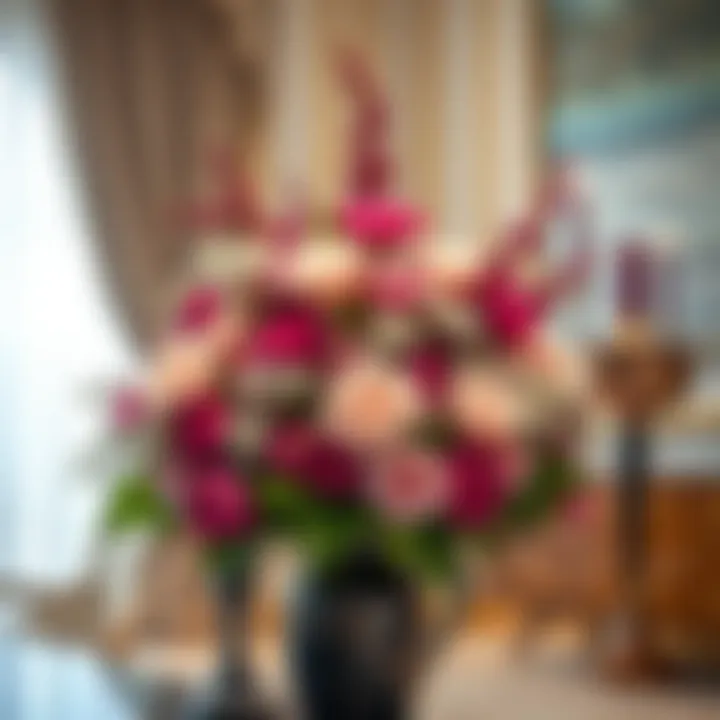
Floral vases often go unnoticed, yet they play a fundamental role in elevating your overall home decor. Beyond merely holding blooms, these decorative pieces serve as artistic expressions in their own right. Whether you're sprucing up your dining table for an intimate dinner or setting the stage for a lavish celebration, the right vase can significantly influence the atmosphere and overall aesthetic of the space.
Various styles and materials exist, each carrying its unique charm. Think about the impact of a glass vase versus a ceramic one. Glass can lend a modern, sleek touch while ceramics might evoke a sense of warmth and tactile richness. Furthermore, elements like size and shape shouldn't be overlooked as they can dramatically affect the visual dynamics of your arrangements.
In the pages that follow, we embark on an enlightening journey. We will explore the current trends in vase styles, delve into practical considerations when selecting your vases, and offer actionable insights that cater to home decorators and enthusiasts alike. We invite you to discover how selecting the proper vessel can energize your space, making it feel more cohesive and vibrant.
Let’s venture into those trends and practicalities one fragrant bloom at a time.
Understanding the Role of Floral Vases in Centerpieces
Floral vases play a crucial part in the realm of centerpieces, serving not only as holders for flowers but also as defining elements of decor. They bring together the composition of a dining table, coffee table, or any setting where floral arrangements are placed. Each vase adds a touch of style and can enhance or distract from the blooms arranged within them.
Historical Context
From ancient times, vases have been instrumental in both art and utility. In many cultures, they were adorned with intricate designs and symbols that conveyed messages or stories. For instance, in classical Greek society, vases were often used in ceremonial contexts, holding flowers or oils used in rituals. This historical significance adds depth to the appreciation of vases today. Whether it’s a simple glass vase reflecting modern minimalism or an ornately painted ceramic piece echoing ancient artistry, understanding this backdrop enriches our experience.
Cultural Significance
Culturally, floral vases are more than mere containers; they symbolize various values across different societies. In Japan, the art of Ikebana goes beyond just placing flowers in a vessel; it embodies a philosophy of harmony and balance. By contrast, in Western settings, vases tend to take on a more ornamental role, often representing status or elegance at social gatherings.
Moreover, the types of flowers and vases chosen can reflect personal connections, traditions, or even seasonal nuances. For instance, choosing a vase crafted from local materials can signify a connection to regional identity.
Modern Interpretations
In today’s design landscape, floral vases have morphed into multifunctional art pieces. With a plethora of materials and shapes available, from sleek metallic finishes to handcrafted ceramics, there is a vase for every thematic essence one might wish to create. Designers now use vases not just to hold flowers but as focal points that can stand alone as a sculptural element in a room.
Furthermore, the rise of sustainable design has influenced the choices available. Many are opting for eco-friendly materials that blend innovation with respect for the environment. This shift is significant, as it reflects a modern ethos of responsibility while still celebrating beauty.
"The right floral vase can transform an ordinary arrangement into a striking centerpiece, enhancing the overall impact of any design scheme."
In summary, understanding the role of floral vases in centerpieces encompasses a rich tapestry of history, culture, and modern design, illuminating their importance in enhancing interior spaces.
Key Elements of Floral Vases
In the realm of floral arrangements, making an informed choice about vases is not just an afterthought but a seminal part of the design process. The right vase, in essence, serves not merely as a holder for flowers but as a pivotal piece that can elevate the entire aesthetic of a setting. When you select a vase, it's crucial to consider size, shape, and material. Each element brings its own characteristics and influences the beauty and coherence of a centerpiece. A well-thought-out choice can create harmony in decor while emphasizing or contrasting with surrounding elements.
Size Considerations
Proportions in Relation to Table Size
When it comes to selecting a floral vase, the proportions must synchronize beautifully with the table size. A vase that is too tall on a small table can overwhelm the space, whereas a petite vase might easily get lost on a larger dining setup. The visual balance is key; a towering, imposing vase may dominate a small gathering, while too short a vase might not draw the eye at all. Understanding these proportions not only enhances the table's appeal but also facilitates conversation among diners.
- Key Characteristics: A well-proportioned vase can create a focal point, adding drama without stealing the show.
- Unique Feature: Balancing height and volume to fill the spatial context adjusts how guests perceive the arrangement. Ideally, vases should not obscure the eye line across the table.
- Advantages: Setting the perfect proportions allows guests to feel engaged while enjoying the centerpiece.
Height Versus Volume
In contemplating the height and volume of a vase, one must consider not just individual flowers but the entire arrangement's visual impact. A tall, thin vase may call attention to long-stemmed flowers, such as gladioluses, without feeling cramped. Alternatively, a wider vase can support a lush, voluminous arrangement packed with blooms. Choosing the appropriate height in relation to volume can create dynamic contrasts and draw the eye in different ways. A carefully selected ratio of height to volume contributes to a cohesive arrangement that doesn’t feel cluttered or sparse.
- Key Characteristics: Height creates visual lines, while volume fills space effectively.
- Unique Feature: Depending on your intention, sometimes one over the other can evoke specific moods or expressions within a space.
- Disadvantages: An incorrect evaluation may not support the arrangement appropriately, leading to disappointment in the overall look.
Shape Variations
Classic Shapes
Classic shapes in vase design have stood the test of time for good reason. Shapes like round, bell-shaped, or urn-style vases provide a sense of familiarity that can anchor any floral arrangement. The beauty of classic shapes is their versatility — they fit seamlessly into both formal and casual settings and complement a range of flower types. The timelessness of these designs makes them a staple for any event or home decor.
- Key Characteristics: Classic shapes enhance the natural beauty of flowers instead of competing with them.
- Unique Feature: They often come in various sizes, making them adaptable to different flower types and occasions.
- Advantages: Their predictability in aesthetics can lead to a comforting ambiance, promoting ease in pairing with other decor.
Contemporary Trends
Contemporary vase designs push boundaries, experimenting with abstract forms that draw attention in modern settings. These vases often feature geometric shapes or asymmetric designs, providing a more daring aesthetic that challenges traditional norms. They capture the attention of viewers and become conversation starters. This brings an element of excitement and innovation to floral displays while opening avenues for creative expression.
- Key Characteristics: Unconventional shapes exude a sense of artistry that can reflect personal style or the theme of an event.
- Unique Feature: Many contemporary vases improve upon functionality while introducing new forms.
- Disadvantages: However, not every flower sits nicely in such designs, potentially limiting your options.
Material Choices
Glass
One of the most popular materials, glass provides a certain elegance that can transform even the simplest of arrangements. Transparent or colored, glass vases allow the beauty of the stems and water to be showcased. They can enhance the overall brightness of a centerpiece, reflecting light beautifully. This quality is particularly useful when paired with vivid blooms that can make colors pop.
- Key Characteristics: Glass gives off an air of sophistication and can be molded into various shapes.
- Unique Feature: Many glass vases come in special finishes, like frosted or etched styles that can add unique flair.
- Advantages/Disadvantages: However, glass can also be heavy and breakable; handling must be approached with care.
Ceramic
Ceramics offer a more muted elegance, often featuring intricate designs. Their natural feel complements organic arrangements beautifully, making it easy to defer attention from the vase itself back to the flowers. Additionally, ceramic vases often carry a textural element that enriches the display. They can range from highly decorative to unembellished, fitting various settings.
- Key Characteristics: The permanence of ceramic makes it an excellent choice for outdoor use.
- Unique Feature: Many ceramic vases develop a story through glaze variations and imperfections.
- Advantages: Their non-translucent quality maintains water aesthetics, eliminating the need for constant cleaning.
Metal
Metal vases, whether shiny stainless steel or more rustic copper, introduce an edge to floral arrangements. They can add an industrial feel or serve as eye-catching statement pieces. Metal provides a sturdy option that can handle more substantial arrangements as well. This practicality in durability is matched by aesthetic versatility.
- Key Characteristics: Metal surfaces reflect surrounding light and colors, adding depth to the arrangement.
- Unique Feature: Certain metals develop patinas over time, serving as a visual narrative of wear and tear.
- Disadvantages: However, the potential for rust in specific types might limit their desirability if they are not specifically treated for longevity.
Thematic Stylistic Approaches
In the world of floral arrangements, the choice of vases plays a pivotal role in defining the overall aesthetic of a centerpiece. From minimalist to eclectic styles, thematic stylistic approaches not only enhance the beauty of the flowers but also reflect a deep understanding of design principles. An effective vase can turn a simple bouquet into a striking focal point or maintain an understated elegance that allows the blooms to shine.
Minimalist Designs
Emphasizing Simplicity
Minimalism in floral design is all about stripping away the excess and focusing on the essential elements. It embraces the "less is more" philosophy, where the beauty of flowers is allowed to take center stage. A key characteristic of emphasizing simplicity is the use of clean lines and unembellished forms. This choice is popular in contemporary settings as it promotes clarity and calmness, making it a beneficial approach for homeowners looking to achieve a serene environment. The unique feature of minimalist designs lies in their versatility; they can suit various decor styles, from modern to rustic. However, it’s essential to choose the right flowers that convey strength and presence, since this design relies heavily on simplicity.
Color Palette Considerations
Color palette considerations take on a significant role when creating minimalistic floral vases. Here, muted and monochromatic shades often dominate, creating a subtle yet impactful visual effect. The unique feature of using softer hues is that it uplifts the ambiance without overwhelming the senses. This approach is particularly advantageous in smaller spaces, where a well-curated color scheme can enhance openness. However, minimalism may not appeal to everyone, as it lacks the vibrancy some associate with traditional floral arrangements.
Eclectic Arrangements
The Art of Mixing Styles
Eclectic arrangements flourish on the idea of diversity and creativity. The art of mixing styles allows for a more expressive representation of personal taste. A key characteristic of this approach is its ability to combine various vase shapes, colors, and materials, creating a unique tableau that's visually stimulating. It's a popular choice among individuals who appreciate a bit of whimsy in their decor, as it invites unexpected elements that can spark conversation. The unique feature lies in the freedom it grants—there are no strict rules, only guidelines that encourage creativity. While it allows for great expression, the challenge can be achieving balance; too many competing elements may create chaos rather than harmony.
Textural Variations
Textural variations in eclectic arrangements add depth and interest. The use of different materials—such as glass, ceramics, and metals—can create a dynamic visual experience. A significant aspect of this approach is the tactile contrast between smooth and rough surfaces. This interplay enhances the overall aesthetic and engages multiple senses. Variations in texture can also communicate a story—like old rustic charm blended with sleek modernity. The unique feature of this arrangement is its ability to surprise; you never quite know how a simple combination will turn out. However, one must ensure that the textures chosen complement rather than clash, as this could lead to a disjointed look.
Romantic Themes
Soft Color Palettes
In romantic themes, soft color palettes bloom with charm. This approach is characterized by pastel shades like blush, lavender, or soft blue—colors that evoke feelings of warmth and tenderness. The gentle hues create a dreamy atmosphere, perfect for intimate settings. This theme brings about a soothing environment, making it a favored choice for weddings and romantic dinners. A unique feature of soft palettes is their adaptability; they work well with various types of flowers, ensuring a harmonious presentation. However, relying solely on pastels might limit expression for those who favor bolder statements.
Flowing Shapes
Flowing shapes bring an organic, natural feel to romantic vase arrangements. This characteristic lends itself to curvaceous forms that mimic the forms of flowers themselves—like a gently bending neck of a vase. Choosing flowing shapes can soften the overall design, enhancing the romantic ambiance. This approach is particularly suited for garden-inspired arrangements, as it echoes nature’s beauty. However, balancing the vase shape with flower arrangement can be tricky; if not done well, it may lead to visual imbalance.
By understanding and implementing these thematic stylistic approaches, individuals can create stunning centerpieces that not only captivate but also resonate with their personal style and the mood of the setting.
Practical Tips for Selecting Vases
Selecting vases for centerpieces is not just about filling a table with flowers. It's about crafting an ambiance, a focal point that communicates a specific mood or message. Each choice made in this process—from the size of the vase to its material—plays a significant role in how the arrangement is perceived. Practical tips help you consider not only aesthetics but also functionality, ensuring that your centerpiece truly shines.
Assessing Floral Types
Bulkiness of Blooms
When you choose flowers, their bulkiness is a key factor to think about. Bulky blooms, like peonies or hydrangeas, occupy space and require a vase wide enough to hold them without overcrowding. The right width helps maintain balance; a narrow vase with hefty flowers can look awkward, whereas a wider one provides stability. Additionally, wide vases encourage spreading out, allowing the blooms to show off their full beauty. This characteristic makes bulky arrangements more engaging and visually pleasing.
Height Preferences
Height plays a crucial role too. Tall flowers, like delphiniums, demand taller vases, while shorter flowers prefer something compact. A mismatch between vase height and flower length leads to an unsightly and uninviting display. Choosing the right height also helps in maintaining sight lines on a dining table, so guests can enjoy conversation without obstruction. Thus, considering height ensures both beauty and practicality in your arrangements.
Balancing Aesthetics with Functionality
Stability and Safety
Nothing ruins a centerpiece quicker than a toppled vase. Stability is vital, especially in high-traffic areas or homes with children and pets. Choosing wider bases or weighted vases can prevent accidents. When guests lean in to admire your arrangement, the last thing you want is flowers flying everywhere because the vase tipped over! So, prioritizing stability enhances the overall enjoyment of your decor and keeps your space safe.
Water Retention Considerations
Water retention is another critical aspect to gauge. Some materials, like ceramic or glass, can hold water effectively without worrying about leaks. Vases that retain moisture well keep your flowers fresh longer, reducing the need for constant upkeep. On the flip side, think about how easy it is to clean these vases after the flowers wilt. Picking vases that balance durability and maintenance requirements makes your life that much easier.
Considering the Surrounding Decor
Complementary Colors
Colors do matter! A vase should complement—not clash with—its surroundings. Using complementary colors can tie your centerpiece into the overall decor scheme wonderfully. Imagine a bright burnt-orange vase against a navy tablecloth; this combination can create a striking contrast or harmonic blend. Having a color theme in mind when selecting vases enhances unity in your design, making the room feel complete and well-thought-out.
Consistent Design Language
Maintaining a consistent design language throughout your decor creates a cohesive narrative. A rustic vase among modern decor may stand out, but often not in a way you want. Consider the lines, shapes, and materials of your existing furniture when choosing your vases. Cohesion in design not only enhances the visual experience but also reflects a thoughtful approach to your space. Each piece should tell part of a larger story in your interior design, creating harmony that resonates with all who enter your home.
Innovative Trends and Future Directions
In the realm of floral design, the importance of innovative trends and future directions cannot be overstated. These trends reflect not just aesthetic shifts, but also a growing awareness about sustainability, technology, and how our choices affect both our environment and personal spaces. As homeowners and designers look to create beautiful centerpieces that resonate with contemporary values, understanding these innovations is crucial. The blend of creativity and practicality leads to unique solutions that embody style while being mindful of ecological impacts and modern lifestyles.
Sustainable Materials
Eco-Friendly Producing Practices
Eco-friendly producing practices are a hallmark of modern design, especially in floral arrangements. With concerns about sustainability at the forefront, utilizing eco-friendly materials showcases a commitment to environmental stewardship. This kind of production often involves using natural, organic, or recycled materials and methods that minimize harm to our planet. The key characteristic of these practices is their reduced carbon footprint – reducing waste not only helps the Earth but also appeals to consumers who prioritize sustainability.
For instance, sourcing vases crafted from reclaimed glass or sustainably harvested wood can significantly lessen our ecological impact. This approach is popular among designers and homeowners alike because it aligns their decorative choices with broader environmental goals, merging aesthetics with responsibility. However, a unique feature of using such materials is that they often bring a distinct, handmade touch to arrangements, encapsulating the idea of authenticity in design. The advantages here are clear: sustainability meets creativity, yet the disadvantages could include limited availability and potentially higher price points.
Biodegradable Options
When we turn our gaze toward biodegradable options, the conversation expands into the lifecycle of floral vases. Vases made from materials that naturally decompose, such as certain types of biodegradable plastics or organic materials, offer a forward-thinking alternative. The key characteristic of these options is their ability to break down without leaving harmful residues behind, making them a beneficial choice for a conscious consumer base.
One of the unique features of biodegradable vases is that they often contribute to a zero-waste philosophy; users can dispose of them without guilt, knowing they aren't adding to landfill waste. This movement is gaining traction among eco-conscious decorators and homeowners who want their decor to reflect their values. Of course, the disadvantages might include durability concerns and the need for compatible floral supplies.
Technology in Design
Smart Vases
Smart vases represent a fusion of design and technology, providing an innovative way to care for plants and flowers. Equipped with sensors and connected to smartphone applications, these vases can monitor water levels, light exposure, and nutrient requirements. A key characteristic of smart vases is their ability to simplify plant care, making them a popular choice for busy individuals or those seeking to optimize their floral arrangements.
The unique feature here is the integration of technology that allows users to receive alerts or tips for maintaining their flowers. While some may see this as an over-complication of a traditional setup, the advantages include extended lifespans for bouquets and a more informed relationship with nature. On the downside, concerns about cost and technical malfunctions might deter some homeowners from embracing this trend fully.
Digital Customization
Lastly, digital customization stands as a powerful tool in floral design, allowing consumers to tailor their vases to meet their specific preferences. Through various online platforms, users can choose shapes, colors, and even materials to craft a vase that perfectly matches their vision. The key characteristic here is the personalization aspect, which makes each piece unique to the creator.
The unique feature of digital customization is the empowerment it gives users: they can breathe life into their creative ideas without the constraints typically associated with floral decor. This trend fosters a deeper engagement with the design process. However, disadvantages might arise when considering the costs associated with bespoke designs and the sometimes lengthy production times.
In the ever-evolving world of floral design, staying attuned to innovative trends and future directions not only enhances aesthetic appeal but also cultivates a more sustainable and personalized approach to centerpieces.
By embracing these modern elements, designers and homeowners can contribute to a more thoughtful, stylish, and eco-conscious future.
Epilogue: The Enduring Appeal of Floral Centerpieces
Floral centerpieces have long held a significant place in both our homes and our hearts. Beyond simply holding flowers, they serve as a bridge between nature and our living spaces, providing beauty and warmth. The essence of a floral arrangement can change the mood of a room, creating an inviting atmosphere unlike anything else.
In our exploration, we highlight several key factors that affirm the persistent allure of floral centerpieces:
- Aesthetic Contribution: The visual impact of a well-chosen vase paired with an appealing arrangement can elevate any table setting. When the vase complements the flowers, it creates a harmonious blend that draws the eye, making it an anchor in your home decor.
- Personal Expression: Floral centerpieces often reflect personal style. Whether one favors minimalism or prefers an eclectic mix, the choices in vase design and flower selection allow for an extensive range of self-expression. Over time, these choices can transform your space, aligning it closer with your personality.
- Seasonal Changes: As the seasons evolve, so too can our floral centerpieces. Different flowers become available, and shifting color palettes can keep your space feeling fresh. This cyclical nature invites homeowners to continually adapt and experiment with new configurations, preventing monotony.
- Symbolic Nature: Flowers have a rich language of their own, often symbolizing feelings such as love, remembrance, or joy. Incorporating floral centerpieces can carry deeper meanings depending on the occasion or the flower choice itself, fostering emotional connections that transcend mere decor.
"A well-placed floral centerpiece can shift not just the physical space, but also the entire emotional atmosphere of a gathering."
- Community and Culture: Centerpieces are often present during gatherings that celebrate love, family, and friendship—birthdays, weddings, and anniversaries. They help set the stage for these cherished moments, creating meaningful impressions that remain long after the occasion has ended.