Cotton Colors Window Film: A Comprehensive Guide
Intro
In the dense landscape of interior design, cotton colors window film emerges as a fresh and dynamic element worth considering. These films not only serve a practical purpose by filtering light and adding privacy, but they also bring a sophisticated aesthetic touch to any space. As homeowners and designers search for unique ways to express individuality, this innovative design solution offers opportunities that extend beyond mere decoration.
Often, the challenge lies in finding materials that harmonize with evolving furniture trends. With cotton colors window films, there’s a possibility to experiment with colors and patterns that enhance both functional and visual aspects of a room.
Adding to the charm is a growing concern for sustainability and well-being, aligning perfectly with the environmentally conscious choices that many of today’s consumers prioritize. In this guide, we’re diving into the various facets of cotton colors window film, addressing its applications in home decor, the benefits it offers, and strategic tips for successful integration into modern interiors.
Prolusion to Cotton Colors Window Film
The world of window films is more versatile and exciting than one might think, particularly when it comes to cotton colors window film. This innovative material has made a substantial impact in modern design, turning ordinary glass surfaces into vibrant canvases. This introduction serves as a gateway to understanding its significance in contemporary interior environments, where aesthetics, functionality, and sustainability merge seamlessly.
Cotton colors window film not only enhances the visual appeal of a space but also offers practical benefits, such as improved UV protection and energy efficiency. As more homeowners and designers seek to create personalized and unique interiors, this film presents an opportunity to infuse character and depth without the expense of full renovations. With its charming palette, it enables a distinctive approach to design that directly speaks to the emotional core of a space.
In this article, we will explore the various facets of cotton colors window film by detailing its definition, historical context, aesthetic values, functional benefits, and environmental aspects. Understanding these core elements will provide a solid foundation for homeowners, decorators, architects, and retailers who wish to integrate this stylish film into their projects.
"Cotton colors window film turns a plain view into something colorful and inspiring, offering character without compromise."
As we journey through these topics, we hope to highlight the relevance and enduring appeal of cotton colors window film, making it an essential consideration for anyone involved in interior design.
Definition and Overview
Cotton colors window film is a decorative film used primarily on glass surfaces. It is made from a polymer material that mimics the texture and appearance of cotton. This film provides a colorful and soft texture, enhancing sunlight diffusion and visual aesthetics.
The primary goal of this film is to offer a dual function: it beautifies windows while providing essential protective qualities. Whether used in residential or commercial spaces, its versatility is one of its standout features. Available in various colors and patterns, cotton colors window film can suit any decor, from minimalist to bohemian.
In essence, this product is more than just a means to cover glass; it plays a significant role in energy efficiency, privacy, and glare reduction, making it a valuable asset in today's design landscape.
Historical Context
The evolution of window films, particularly cotton colors films, has a rich and varied history. Originally, decorative films were primarily functional, focused on providing shade or reducing glare. However, as design trends shifted during the late 20th century, the aim transitioned to blending function with aesthetic considerations.
In the late 1980s, interior design began to prioritize customization. Designers and consumers alike sought ways to express individuality within their spaces, leading to an increase in decorative film applications. Cotton colors window film emerged as part of this movement, appealing to those looking for soft, homey aesthetics reminiscent of textured fabrics.
The growing environmental awareness in recent decades spurred advancements in materials and production processes. Manufacturers began to use more sustainable practices, making cotton colors films more eco-friendly while ensuring that they met modern energy efficiency standards. As a result, the application of cotton colors window film continued to evolve, with opportunities to blend technology, beauty, and sustainability for a contemporary audience.
This compelling intersection of history, technology, and design innovation has positioned cotton colors window film as a relevant choice for today’s spaces.
Aesthetics of Cotton Colors Window Film
The aesthetics of cotton colors window film play a pivotal role in enriching the visual appeal of any space, providing a stylish yet functional layer to ordinary glass surfaces. Cotton colors window film is not merely a decorative addition; it is an artistic expression that allows homeowners and designers to personalize interiors according to unique tastes and preferences. Merging beauty with purpose, this type of window film can transform the perception of lighting, ambiance, and overall decor.
Color Theory and Perception
Understanding color theory is essential when delving into aesthetics, especially as it pertains to cotton colors window film. Colors can evoke emotions, influence mood, and alter spatial perceptions. For instance, warmer tones like yellows and oranges tend to create an inviting and cozy atmosphere, whereas cooler shades such as blues and greens can impart a sense of calm and tranquility. By using varying hues of cotton colors films, designers can manipulate the atmosphere of a room, guiding the emotions of its inhabitants.
Incorporating colors that harmonize with existing decor is crucial. For example, pairing soft pastel-toned films with light wood furnishings can enhance the natural beauty of a space, lending it an airy feel. Conversely, bolder shades may serve to add dramatic contrast, making a bold statement within an otherwise understated environment.
Impact on Interior Design
The impact of cotton colors window film on interior design is profound. More than just a practical choice for privacy or light filtration, this window film offers an opportunity for expansive creativity in designing environments.
Enhancing Natural Light
Enhancing natural light is one of the most significant features of cotton colors window film. Unlike traditional blinds or curtains, window films provide a translucent barrier that allows sunlight to filter through, softening its intensity. This diffusion of light can illuminate any room beautifully while reducing harsh glare.
The ability of cotton colors films to transform spaces by filtering light makes it a particularly popular choice among designers. Rooms flooded with natural light appear more spacious and inviting, promoting well-being and enhancing overall mood. Another appealing aspect of enhancing natural light is its energy-efficient nature, which helps decrease reliance on artificial lighting throughout the day.
Moreover, while light is beautifully diffused, privacy is maintained, allowing homeowners to feel comforted in their personal space without sacrificing brightness. This enviable combination of qualities makes enhancing natural light one of the defining characteristics of cotton colors window film, setting it apart from other options.
Creating Ambiance
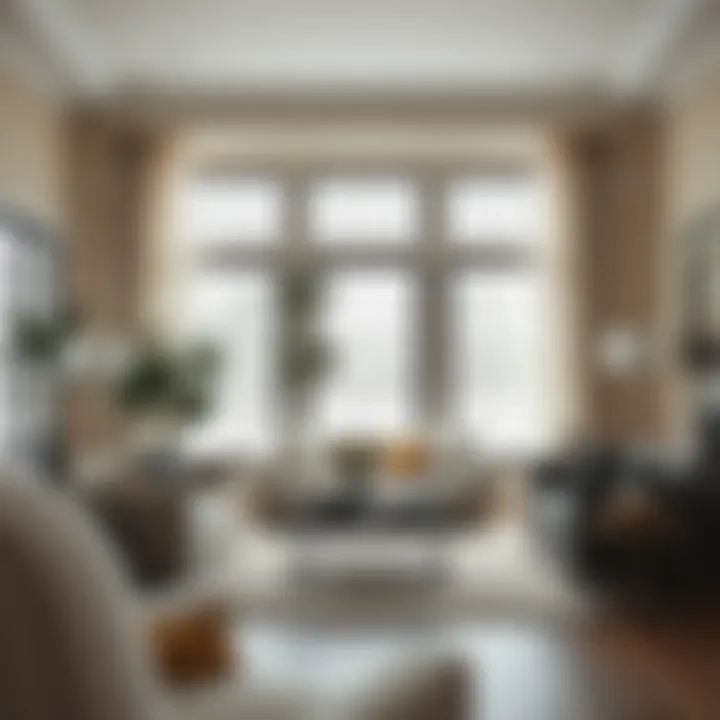
Creating ambiance is another critical aspect of cotton colors window film that cannot be overlooked. Ambiance refers to the atmosphere or mood of a space, significantly affecting how individuals experience a room. Cotton colors can interact seamlessly with design elements, enhancing the aesthetic coherence of one’s environment.
Consider using films with warm hues to create a cozy nook perfect for relaxation, or vibrant colors to instill energy in creative spaces. This flexibility allows homeowners and interior designers to curate emotions that align with the intended purpose of each area.
Moreover, the unique appearance of cotton colors films can create a layered visual effect. When light penetrates differently based on the time of day, it can yield additional textures and shadows, further enriching the spatial dynamics. This feature is especially advantageous for locales such as cafes and retail shops, where atmosphere can significantly influence customer experience and engagement.
From enhancing natural light to creating inviting ambiances in different settings, cotton colors window film presents innovative and diverse opportunities. It isn’t just about looking good; it’s about crafting feelings and experiences within architectural spaces—making it an essential consideration for any successful interior design project.
Functional Benefits of Window Film
Window films, especially those that integrate cotton colors, offer a plethora of benefits that extend beyond mere aesthetics. These functional advantages have made them an increasingly popular choice among designers and homeowners alike. By understanding the various functionalities of window film, one can better appreciate how it enhances living spaces while also contributing to environmental solutions. Let’s explore some key functional benefits, including UV protection, energy efficiency, and glare reduction.
UV Protection
One significant advantage of cotton colors window film is its ability to block harmful ultraviolet (UV) rays. UV rays, while necessary for processes like Vitamin D synthesis, can wreak havoc on furniture, flooring, and even your skin. Prolonged exposure to sunlight can fade fabrics and finishes, leaving them looking tired and worn out. Cotton colors window films act as a barrier, filtering out up to 99% of these damaging rays, effectively prolonging the life of your interior elements.
"Investing in UV protective films can be a game-changer for maintaining the integrity of your décor."
By applying these films, interiors not only remain vibrant but owners save money in the long run by minimizing the need for replacements and repairs. This fact is crucial for homeowners and decorators looking to provide a sustained aesthetic appeal without breaking the bank.
Energy Efficiency
Another compelling advantage of cotton colors window film is its contribution to energy efficiency. During blistering summers, internal temperatures can soar, leading to increased reliance on air conditioning systems. Window films help mitigate this by reflecting heat away from the glass. This characteristic is especially beneficial in managing energy consumption. By keeping indoor temperatures stable, these films reduce the workload on HVAC systems, leading to lower energy bills.
Moreover, in colder seasons, properly engineered window films can retain internal heat, effectively keeping the chilly drafts at bay. In essence, cotton colors window films function like a second skin for your windows, improving the thermal performance of your building.
- Reduces cooling costs in summer
- Minimizes heating requirements in winter
- Enhances HVAC efficiency overall
Glare Reduction
Glare can be a substantial annoyance, particularly in rooms flooded with natural light. Cotton colors window film reduces glare significantly, allowing for comfortable viewing experiences without compromising on light. Whether you're working from home, enjoying a movie, or simply relaxing with a book, these films ensure that you don’t have to squint or reposition your seat to avoid the bright light coming through windows.
By softening the intensity of incoming sunlight, these films help create a more pleasant ambiance. In commercial settings, reduced glare can boost productivity by providing a more conducive working environment.
Overall, the functional advantages of cotton colors window film blend practicality with style. They serve as a multifaceted solution to common household problems, affirming their importance within the realm of contemporary interior design.
Environmental Considerations
As the world grapples with the pressing issues of climate change and ecological sustainability, the significance of environmental considerations in product design and material selection has never been more evident. When it comes to cotton colors window film, understanding its environmental impact is essential for homeowners, interior designers, and architects alike. These considerations extend beyond mere aesthetics, delving into the sustainable practices that make cotton films a responsible choice for modern interiors.
Sustainable Materials
Cotton colors window films stand out not just for their vibrant hues but also for the materials used in their production. Traditional window films often rely on synthetic plastics that can harm the environment in myriad ways, from resource extraction to landfill waste. In contrast, the cotton used in these films is typically sourced from farms that prioritize sustainable farming practices.
One notable benefit of cotton as a material is its biodegradability. Unlike PVC or other petrochemical-based films, cotton can decompose naturally over time, reducing the burden on landfills. This quality makes it attractive for those who are concerned about their environmental footprint. Furthermore, many manufacturers are moving towards organic cotton, which is grown without synthetic pesticides and fertilizers, further minimizing the ecological impact.
- Biodegradable properties help ensure the film won't contribute to long-term waste issues.
- Organic cultivation methods decrease harmful chemicals introduced into our ecosystems.
- Lower energy consumption during production shifts the scales in favor of eco-friendly practices.
Recyclability of Window Film
The conversation around sustainability doesn't end at the materials used; recyclability is another pivotal factor. While many films might serve their purpose for years, they will eventually need to be disposed of, and this is where the recyclability aspect comes into play. Cotton colors window films are often designed with end-of-life considerations in mind. Commonly, these films can be recycled in specialized facilities that handle textile waste, a significant advantage over conventional vinyl films that might not have such options.
It's crucial to note that knowing how to properly recycle cotton window film depends on local regulations. Many municipalities have recycling programs, and finding the right facility can ensure these materials don’t end up in landfills. Engaging with these programs not only aids in waste management but also encourages a circular economy where materials are reused and repurposed.
In summary, cotton colors window film embodies a thoughtful approach to interior design that marries beauty with sustainability. By choosing products made from sustainable materials and understanding their recyclability, homeowners and designers can make informed choices that resonate with the growing demand for eco-friendly solutions. Such decisions do not merely impact the individual; they contribute to a larger movement towards sustainable living and environmental stewardship.
"The future of design is sustainable, and every decision counts towards a healthier planet."
For additional insights into sustainable practices in materials, check out publications from voices in eco-conscious designs at Wikipedia on Sustainable Design and related forums on Reddit.
Incorporating cotton colors window film into one’s home doesn’t just enhance visual appeal; it aligns living spaces with personal values towards sustainability and ecological responsibility.
Installation Techniques
Installation techniques play a pivotal role in ensuring that cotton colors window film not only adheres properly but also performs to its full potential. An effective installation can mean the difference between a seamless finish and the frustration of peeling edges or bubbles. Done right, this step enhances both the aesthetic and functional attributes of the film, making it an integral consideration in any home decor project.
Preparation of Surfaces
Proper surface preparation is the bedrock of a successful window film application. The surface must be clean, dry, and smooth to facilitate a tight bond with the window film. Any dust, oils, or residues can undermine adhesion, resulting in an unfavorable appearance or reduced effectiveness over time.
- Cleaning: The first step involves thoroughly cleaning the window surface with a suitable glass cleaner or a mixture of vinegar and water. This not only removes dirt but also eliminates streaks that can affect the appearance of the finished product.
- Drying: Post-cleaning, it's important to let the surface dry completely. A damp surface can lead to complications during application, as moisture trapped underneath the film may lead to bubble formation.
- Leveling: For windows with imperfections, consider using a leveling compound to create an even surface. Any unevenness can create a challenge for the film to lay flat, potentially leading to lifting or curling.
With the surfaces prepared, one sets the stage for the film to adhere properly, ultimately ensuring a finish that looks professional and polished.
Application Process
The application process is where the efficacy of cotton colors window film is truly realized. A structured approach can streamline installation and produce results that meet the high expectations of discerning homeowners and designers alike.
Tools Required
The right tools can simplify the installation process significantly. Here are some essential items that contribute fundamentally to achieving a successful application:
- Utility Knife: Ideal for trimming excess film with precision.
- Squeegee: This tool efficiently removes air bubbles and excess water, ensuring a tight bond with the window surface. A high-quality squeegee can make a notable difference in achieving a smooth finish.
- Spray Bottle: Filled with soapy water, this allows for easy adjustment of the film position before it adheres permanently. A simple concoction of soap and water works wonders in providing a slip-resistant surface to maneuver the film before finalizing its position.
- Cloth or Paper Towel: For cleaning and drying the surfaces. Keeping these close at hand ensures readiness to address any spills or messes during installation.
The key characteristic of these tools is their ability to contribute towards a flawless films installation, making them indispensable in the toolkit of anyone undertaking this task.
Step-by-Step Guide
A step-by-step guide streamlines the installation, offering precise instruction to mitigate errors. Here’s a breakdown of the process:
- Measure: Start by measuring the window dimensions carefully, allowing a bit of extra length on each side for trimming.
- Cut the Film: Using the utility knife, carefully cut the film according to your measurements. Precision cutting during this phase sets a solid foundation for the following steps.
- Wet the Surface: Mist the window with the soapy water solution. This prevents the film from immediately sticking, allowing adjustments.
- Apply Film: Adhere the film to the window, starting from one edge and gradually laying it flat while ensuring any air bubbles are pressed out towards the edges using the squeegee.
- Trim Edges: Once the film is in place, use the utility knife to trim any excess material neatly from the edges.
- Final Check: Inspect the application for any bubbles or imperfections. Rework any problem areas as needed.
The beauty of following a structured guide is that it not only simplifies the process but also minimizes the chances of mistakes. Ensuring every step is executed with care ultimately results in a window film application that enhances both the appearance and functionality of the space.
Overall, these installation techniques equip homeowners and designers with the knowledge and tools they need for an effective application of cotton colors window film, significantly transforming interior aesthetics.
Maintenance and Care
In the realm of cotton colors window film, maintenance and care holds a considerable amount of significance. Ensuring that the film remains in top-notch condition not only preserves its aesthetic appeal but also extends its lifespan. For homeowners, decorators, and interior designers alike, understanding how to maintain these films is crucial for achieving the desired ambiance and functionality in their spaces.
Cleaning Techniques
Cleaning cotton colors window film requires a gentle touch. Unlike traditional glass, the films may be more sensitive to harsh chemicals and abrasive materials that can scratch or damage the surface. Here are some best practices for keeping your window film clean:
- Use a Soft Cloth or Sponge: It’s best to use a microfiber cloth or a soft sponge to avoid scratching.
- Gentle Cleaners: Opt for a pH-neutral soap solution. Avoid ammonia-based cleaners which could harm the film.
- Circular Motions: When you clean, use soft circular motions. This reduces streaking and helps maintain clarity.
- Rinse Thoroughly: Make sure to rinse with clean water after applying any cleaner. This helps to remove soap residue.
- Dry Quickly: Always dry the surface promptly to prevent water spots. Use another clean microfiber cloth for this step.
Regular cleaning, about once a month, can prevent buildup that might otherwise obscure the vibrant colors and patterns of the film.
Durability Expectations
Durability is another key factor when considering cotton colors window film for residential or commercial spaces. People often wonder how long the film will last and how it stands up against various environmental factors. Here are a few insights:
- Lifespan: Generally, well-installed and maintained window films can last anywhere from 5 to 15 years. Factors like exposure to sunlight, weather conditions, and localized environmental influences can affect longevity.
- UV Resistance: Quality films are designed to withstand ultraviolet rays, which can degrade materials over time. Using cotton colors window film helps protect not only the interior furnishings but also ensures the film itself maintains its vibrancy.
- Impact Resistance: While they are durable, it’s important to take care against physical impacts. Accidental bangs or sharp objects can potentially damage it.
Ultimately, taking the time to clean the cotton colors window film correctly and understanding its durability will ensure it continues to enhance the aesthetic value of your interiors while providing practical benefits.
Cost Considerations
Understanding cost considerations when it comes to cotton colors window film is crucial for both homeowners and interior designers. This exploration helps buyers make informed choices that balance aesthetics, functionality, and budget constraints.
While the vibrant colors and patterns of cotton colors window film can captivate anyone’s eye, it’s the financial implications that often dictate purchase decisions.
Budgeting for Window Film
Budgeting for window film involves more than just comparing prices of different products. It’s about assessing overall expenditure necessary for project implementation, from purchase to installation. First and foremost, homeowners should outline their priority needs. Are they after glare reduction, UV protection, or simply enhancing their living spaces with color?


Prices can vary significantly based on several factors:
- Size and dimensions of the windows: Larger windows will obviously require more film, increasing overall costs.
- Material quality: High-quality cotton-based films might cost more upfront but can offer better longevity and benefits compared to cheaper alternatives.
- Installation: While DIY installation can save money, hiring a professional might be worth the extra investment for those unfamiliar with proper techniques, ensuring no bubbles or wrinkles are left behind.
It helps to prepare a list like this:
- Measure all windows that will be treated.
- Research cotton colors window films that meet your aesthetic and functional needs.
- Get quotes from several installers to compare labor costs.
- Factor in potential maintenance costs down the road.
Value vs. Cost
When discussing window film, it's easy to get caught up in sheer numbers. However, evaluating the value derived from what’s spent is equally, if not more, vital. Value takes into consideration both tangible and intangible benefits. This transitional approach enables a more holistic view of the purchase.
To differentiate between value and cost, consider the following:
- Longevity: Expensive window films may last longer, mitigating the need for replacements. Lower upfront costs could translate to higher long-term expenses if replacements are frequent.
- Energy savings: Investing in quality window film that enhances energy efficiency can translate into substantial energy savings over time. Homeowners may see reductions in electricity bills due to less reliance on heating or cooling systems.
- Aesthetic enhancement: The right cotton colors film not only beautifies but also boosts property value, making it an investment rather than just an expense.
- Health benefits: Films that provide UV protection can prevent skin damage and fading of furnishings, ultimately adding value beyond plain cost.
"It's not just what you pay; it's what you get for what you pay."
For more information, you may find these resources useful:
Remember, the aim is to achieve a stylish and practical living space, all while keeping a close eye on finances.
Comparative Analysis
In an era where design choices are abundant, conducting a comparative analysis of cotton colors window film and its alternatives becomes fundamental not only for making informed purchasing decisions but also for ensuring that the selected film meets the intended aesthetic and functional needs. Understanding the distinctions in characteristics, benefits, and limitations is vital for anyone involved in interior design or decor.
Cotton Colors vs. Other Window Film Types
When putting cotton colors window film side by side with other window treatment technologies, several elements come into play. For one, cotton colors window film shines brightly in terms of its aesthetic diversity. Unlike more traditional window blinds or shades, this film offers a rich palette of colors that can blend seamlessly with almost any interior scheme. Homeowners can choose from soft pastels to bold hues, enhancing overall decor elegantly.
- Visual Appeal: The film's cotton-like texture adds a soft, inviting feel that is both contemporary and timeless.
- Customization Options: Many manufacturers provide options for custom prints, enabling a personal touch that often goes unmatched by other types of window treatments.
On the flip side, films like reflective window film prioritize functionality, focusing on properties such as heat reduction and UV protection. While these may not always align closely with design aesthetics, they serve vital roles in energy efficiency and glare minimization. Reflective films often result in a more stark, high-tech appearance, which could clash with certain home styles that prefer a warmer, softer ambiance. Thus, if a homeowner is entirely focused on energy efficiency, they might lean towards reflective or solar control films instead.
Also, traditional shutters and blinds deliver a degree of control over light and privacy that cotton colors window film lacks. For example, in rooms where light management is crucial, such as in a home office or a media room, traditional methods might prove more effective for precisely controlling illumination levels.
User Preferences and Trends
Market preferences reveal shifts toward integrated solutions that encapsulate both beauty and utility. According to recent findings from design forums and consumer surveys, many homeowners prioritize products that not only enhance the visual flow of their spaces but also bring tangible benefits, like energy savings and UV protection.
Some popular trends shaping user preferences include:
- Sustainability: Homeowners are increasingly drawn to products made from renewable or recyclable materials. Cotton colors window film often ranks favorably in these discussions, showing that eco-conscious choices are at the forefront.
- Smart Design: With the rise of smart homes, there is a growing interest in window films that integrate technology, such as films that can adjust visibility or opacity based on the amount of sunlight.
- Personalization: Many consumers now favor customizable options that reflect personal style rather than one-size-fits-all solutions.
"When choosing window films, it's essential to marry aesthetics and functional benefits to reflect a homeowner’s lifestyle and values."
To wrap up this section, recognizing current user trends alongside a thorough comparative evaluation enhances decision-making processes, linking consumer desires with product availability in the ever-evolving design landscape. The choice of cotton colors window film, weighed against alternatives like reflective films or traditional blinds, exemplifies the balance between beauty and practicality, tailored to meet diverse lifestyles.
Ending
The conclusion of our exploration into cotton colors window film serves as a vital synthesis of the themes discussed throughout the article. Like putting the final piece of a complex puzzle in place, this section will tie together the intricacies of aesthetics, functionality, and environmental considerations, thus emphasizing the multidimensional nature of this window treatment.
Recap of Key Insights
In the diverse world of window films, cotton colors stand out for several reasons:
- Aesthetic Appeal: The variety of colors and textures that cotton colors window film offers can transform any space, allowing homeowners and designers to create unique atmospheres tailored to individual tastes.
- Functional Benefits: Beyond mere appearance, these films provide practical advantages, including UV protection, energy efficiency, and glare reduction, essential for contemporary living and working environments.
- Environmental Responsibility: As sustainable materials become increasingly prioritized, cotton colors window film presents an eco-friendly choice. The recyclability aspect further solidifies its role in responsible design practices.
Each of these insights reinforces how cotton colors window film is not merely a cosmetic option but a strategic choice for those looking to enhance their spaces. The interplay of design and functionality is critical in today’s architectural landscape, making the integration of such elements essential for both aesthetics and livability.
Future Directions in Window Film Technology
As we look ahead, the future of window film technology seems promising, with several trends set to reshape how cotton colors window film is perceived and utilized. Here are some potential advancements and directions:
- Smart Window Films: The advent of smart window films, which can adapt to temperature changes or brightness, may become increasingly intertwined with cotton colors, creating hybrids that offer even more value and versatility.
- Enhanced Durability: Innovations aimed at improving the longevity and resilience of window films will likely drive consumer interest, presenting options that are not only beautiful but also built to last.
- Sustainable Production: With an increasing focus on ethical manufacturing processes, future developments may produce cotton colors window films using even more environmentally-responsible methods, aligning with a global push for sustainability.
- Customization Options: Technology will continue to enable consumers and designers to personalize window films at unprecedented levels, from intricate designs to unique colors that reflect personal styles.
In summary, cotton colors window film embodies a convergence of functionality and design. As technology progresses and consumer awareness regarding environmental impact grows, we can expect continued evolution in this category, paving the way for even more innovative applications. Keeping an eye on these trends will be crucial for interior designers, homeowners, and architects as they navigate the ever-evolving landscape of window treatments.