Innovative Wall Decor Ideas for Large Living Rooms
Intro
When it comes to large living rooms, there's often one question that lingers: how do you fill those vast walls while harmonizing style and substance? Large walls can easily become a canvas for creativity, but without a thoughtful approach, it can quickly turn into an overwhelming expanse. This article digs into the world of wall decor, unveiling a treasure trove of innovative ideas designed to enhance not only the aesthetics of your living space but also its functionality.
Wall decorations serve more than just a decorative purpose; they set the tone of the room, reflecting the homeowner's personality. In the following sections, we will explore current trends and artistic styles that can turn mundane walls into captivating backdrops. From bold color schemes to textured materials, there's a plethora of options waiting to be discovered.
Whether you're an interior designer seeking fresh concepts or a homeowner eager to achieve that decor dream, understanding how to approach wall decor effectively is paramount. Eventually, the goal is to create a balanced atmosphere that speaks to both the eye and the soul. Let’s embark on this exploration and redefine what your living room walls can achieve.
Understanding the Role of Wall Decor in Spacious Living Rooms
Deciding on wall decor for a spacious living room can feel like standing in front of a blank canvas. The walls are more than just barriers; they are the backdrop of life that can either uplift or detract from the ambiance of the entire space. Wall decor serves not only as a decorative element but as a means to enhance the overall environment. It can affect how one feels in that space, thus, making its role crucial.
The Visual Impact of Walls
First and foremost, the visual impact of a wall in a spacious living room cannot be overstated. Think of it this way: those bare walls are like an unfinished puzzle. Once you add artwork, mirrors, or even shelves, you start to see a clearer picture. When chosen carefully, wall decor can direct the eye throughout the room and create a sense of harmony. For instance, a large canvas painting can act like an anchor, drawing attention and creating a focal point. On the other hand, a series of small pieces arranged thoughtfully can invite exploration, leading to a more dynamic visual experience. According to interior design principles, utilizing texture and color can further amplify this impact, making walls feel inviting rather than stark and cold.
Creating a Balanced Atmosphere
Creating a balanced atmosphere in a spacious living room involves considering both the decor you choose and how it interacts with other elements in the room. It’s essential to remember that too much can be overwhelming, while too little can lead to a sterile environment. For example, if you have a high ceiling, consider installing a large piece of art or a series of sculptural wall hangings that can fill that vertical space. Balancing scale and proportion is key. In larger rooms, smaller decor pieces may get lost, while oversized items can dominate and conflict with the rest of the decor. A good rule of thumb is to go for a combination of sizes and textures, ensuring that the atmosphere remains cozy and inviting.
Functional versus Aesthetic Considerations
When it comes to wall decor, it often boils down to the classic tug-of-war between functionality and aesthetics. Aesthetic choices are about beauty, but function matters too. A large bookshelf can serve both purposes—it offers storage, while being a visual delight when filled with books and decorative items. Another option is to incorporate functional art, like a stylish wall clock or an elegant pegboard for organization that doubles as a decorative piece. The challenge lies in finding a balance that doesn't sacrifice one for the other. For example, if you opt for a mural to create a stunning backdrop, think about its impact on space usage and light—does it enhance your room’s functionality or hinder it? Ultimately, being mindful of both functional and aesthetic aspects will help transform a spacious living room into an inviting, multifaceted environment.
"Effective wall decor is the bridge between a mere room and a livable, engaging space."
By understanding these roles, homeowners and designers alike have the tools to make thoughtful decisions about wall decor that resonate throughout the living space.
Types of Wall Decor for Large Spaces
In the realm of interior design, wall decor serves as the canvas that can transform a room's character, especially in large living spaces. Understanding the types of wall decor suitable for expansive areas is crucial for creating an aesthetically pleasing and functional environment. It enhances not just beauty but also the conversation around the functionality and energy of the room. Moreover, each type of wall decor can shape the ambiance in unique ways, bridging the gap between art and everyday living.
Art Installations
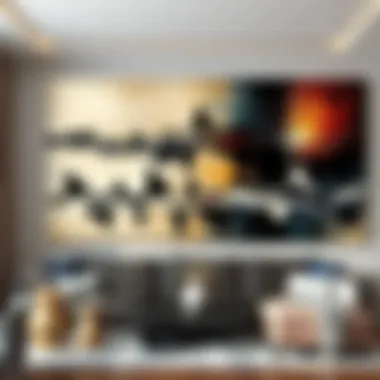
Art installations can turn any wall into a mesmerizing focal point that ignites conversations. Large, bold pieces such as contemporary sculptures or dynamic paintings can dominate a wall, adding layers of depth and complexity to your decor. Unlike smaller art pieces that may get lost in a vast space, these installations have the size and presence to command attention.
When selecting an art installation, consider the theme of the room. A rustic, wooden sculpture can complement a farmhouse aesthetic, while sleek, metallic art might fit nicely in a modern setting. Think about how textures play off each other—pairing a smooth painting with rugged wood can create a captivating contrast that holds interest.
Additionally, purposeful placement is key. Hanging an installation at eye level not only enhances visibility but also invites interaction, allowing guests to appreciate the piece in its full glory. Statements aside, incorporating art installations enables homeowners to express personality and taste while enriching their living environment.
Gallery Walls
Creating a gallery wall is a dynamic way to showcase personal style while utilizing sizable wall space. This method offers flexibility to mix various artwork, photographs, and decorative objects without the fear of boring symmetry. It’s akin to a storytelling canvas where every piece contributes a chapter to the narrative of your life.
An effective gallery wall balances size, color, and format. Using a variety of frame styles and sizes introduces visual intrigue, preventing the wall from feeling flat or monotonous. One might consider including framed family photos alongside abstract art pieces or vintage finds from flea markets. While planning a gallery wall, keep in mind the spacing between frames; inconsistent spacing can create visual chaos, while too much uniformity can feel sterile.
An added benefit is the ability to refresh and update the gallery over time. Swapping out artwork based on seasons or personal experiences allows the wall to grow along with you and your home, fostering an evolving connection to your space.
Wall Murals and Wallpaper
Wall murals and creative wallpaper provide a broader scope for artistic expression that can drastically alter the perception of a living room’s size and layout. Large-scale murals can invoke an immersive experience; imagine a serene forest scene covering an entire wall, bringing nature indoors and calming the atmosphere. In comparison, adventurous wallpaper patterns can add a bold character, integrating color and texture that scale well even in large spaces.
To maintain coherence with existing furnishings, pay attention to color schemes and themes. Opting for a color palette that either compliments or contrasts with the room's current tones can make or break the overall effect. It’s important to remember that this is not just about covering a wall; it's about enhancing every nook and cranny to create a cohesive visual narrative.
Considerations of light and shadow play into the decision, too. Bright, cheerful murals can uplift, whereas darker tones might add sophistication and coziness. As for wallpaper, texture can play a vital role; rich textiles create warmth, while geometric patterns can lend a modern edge to the decor.
Shelving and Decorative Units
When it comes to large living room walls, shelving can serve as both decor and storage. This practical solution allows for styling opportunities as well as organization, thereby maximizing wall space. Floating shelves or built-in units can display a selection of books, plants, and decorative items that showcase your interests and aesthetic preferences.
Bookshelves, when designed well, can also serve as a backdrop that draws the eye. Pairing them with curated decor elements can create dynamic visual movement without overwhelming the senses. Think of it as orchestrating a performance; each book, plant, or decorative object plays its part in the overall design.
Moreover, incorporating lighting with shelves can elevate the decor to new heights. Adding LED strip lights can highlight your favorite pieces and create a cozy atmosphere as dusk falls. The dimensions and placement of shelving must be thoughtfully considered—they should feel tailored to the space rather than an afterthought.
Materials and Textures for Impactful Decor
When one considers the vast expanse of a large living room, the choice of materials and textures becomes paramount in crafting an inviting and visually dynamic space. Materials breathe life into decor, presenting not just aesthetic appeal but also practical benefits. Selecting the right elements goes beyond surface appearance, involving aspects like durability, maintenance, and interaction with light. Thus, this section will explore various materials that enhance wall decor, demonstrating their potential to elevate your living room's ambiance.
Wood and Natural Elements
One of the most timeless materials for wall decor is wood. The use of wooden panels, reclaimed barn wood, or even wooden frames can introduce warmth and texture, reflecting the beauty of the natural world into your space. Each piece tells a story, from the smooth finish of new wood to the weathered charms of reclaimed varieties. Not only does wood add character, but it also plays well with other materials—complementing both sleek metals and soft fabrics. Moreover, wooden accents can be painted, stained, or left in their natural state, allowing for personalization.
- Benefits of Wood:
- Aesthetic versatility
- Eco-friendly options
- Durable and long-lasting
- Can be sourced locally from sustainable forests
- Offers sound absorption qualities, enhancing acoustics in large spaces
Whether you opt for a feature wall made of horizontal planks or a collection of small wooden art pieces, integrating wooden textures can create a cozy yet sophisticated vibe.
Metal Accents
Metal brings a different vibe altogether, infusing modernity and a touch of industrial chic into your living room. Think of metallic wall sculptures, framed mirrors with metal finishes, or even metal shelving that pops against a neutral wall. Not only do these items act as striking focal points, but they also contribute to a sense of lightness. Reflective surfaces can bounce natural light around a room, making it feel more spacious.
- Considerations for Metal Accents:
- Different finishes such as matte, polished, or brushed offer varied vibes
- Metals are generally durable and easy to clean
- Combinations of metals (copper, brass, steel) can create eye-catching contrasts
- May not suit every decor style, so consider harmony with existing elements
When thoughtfully integrated, metal accents can command attention without feeling overwhelming.
Fabric Wall Hangings
Fabric can transform the feel of a room instantly. Wall hangings made from textiles introduce softness and warmth, contrasting the hardness of wood and metal. From bold tapestries to delicate fabric art pieces, this material allows for color exploration and texture play. The beauty of fabric is its wide range, from luxurious silks to durable canvas; it offers something for every style.
- Advantages of Fabric Decor:
- Available in endless designs and colors
- Can bring comfort and warmth to a space
- Easy to change with seasons or trends
- Lightweight and typically easy to install without tools
However, it's important to select fabrics designed for wall hanging to ensure durability and reduce the risk of fading or wear over time.
Innovative Use of Glass
Surprisingly, glass is becoming a more prevalent option for wall decor. From glass panels that act as artistic installations to colorful glass tiles that can add a textured element to your walls, its use can be quite versatile. Glass reflects both light and colors, creating dynamic visual interest, particularly in bright spaces.
- Unique Features of Glass Decor:
- Non-porous, making it resistant to stains
- Can be combined with lighting for dramatic effects
- A range of finishes, such as etched or frosted, offer different levels of privacy and aesthetic
- Lightweight yet sturdy, which facilitates easy installation
Glass can elevate a traditional wall by introducing a modern twist, making it a perfect fit for contemporary and eclectic designs alike.
In summary, the materials and textures chosen for wall decor play a critical role in defining the atmosphere of a large living room. Wood, metal, fabric, and glass each offer distinct characteristics that can complement personal style, enhance functionality, and create a harmonious living environment. By carefully selecting these elements, one can craft an engaging and coherent aesthetic that resonates with elegance.
Design Principles for Wall Decor
In the realm of interior design, the significance of design principles for wall decor cannot be overstated, particularly in the context of vast living rooms. These principles provide a framework within which all design elements can harmonize, creating an atmosphere that is both inviting and aesthetically pleasing. By understanding the foundational concepts of proportion, scale, color theory, and visual flow, homeowners and designers alike can transform mere walls into powerful statements that resonate with personality and style. Effectively implemented, these principles can balance the grandiosity of large spaces while delivering a cohesive design narrative.
Proportion and Scale
When tackling the challenge of wall decor in spacious living areas, proportion and scale stand as critical elements. The idea here is simple: the size of the decor should correspond logically with the dimensions of both the wall and the room itself. Imagine an expansive wall adorned with tiny picture frames—it risks getting lost in the sheer volume of space available. Conversely, a massive piece of art might overwhelm a modest section of wall, throwing the entire composition off balance.
To get this right, here are some considerations:
- Measure before you hang: Taking the time to measure wall dimensions and existing furniture arrangements can help in selecting decor that fits snugly within those constraints.
- Diverse Sizes: Consider mixing various sizes in one display. A range that includes large canvases alongside smaller accents can create interest without overwhelming the viewer.
- Eye Level: Hang artwork at eye level; this is typically around 57 to 65 inches from the floor. Always take proportions into account, even at different heights, as it contributes to overall harmony.
Color Theory in Large Spaces
Color plays a decisive role in shaping the ambiance of a room. With color theory in large spaces, one can wield this power to create atmospheres that speak volumes. In expansive living rooms, the choice of color isn’t just about aesthetics—it's also about evoking specific feelings. For instance, cool colors can invoke tranquility, while warmer hues can energize a space.
Here are some tips to consider:
- Complementary Colors: Choosing colors that complement one another enhances the visual appeal. For instance, a blue-toned wall can beautifully contrast with warm yellow or orange decor accents.
- Accent Walls: Consider painting one wall a bold color to draw attention while keeping other walls neutral. This method attracts the eye to particular features, creating focal points within the vastness.
- Consistency: Ensure continuity in color schemes throughout the living room. Using different shades from the same color palette can unify the space and create cohesion.
Creating Visual Flow
The essence of creating visual flow lies in guiding the eye seamlessly across the room. When large walls are involved, it’s easy for decor choices to become disjointed, leading to a chaotic atmosphere. To avoid this, design elements must be arranged in a way that invites exploration while maintaining a sense of order.
Here are a few strategies to create that flow:
- Line and Direction: Employ lines within your artwork or decor. For example, using artwork that features diagonal lines can draw the eye across the wall, thereby guiding the viewer naturally from one point to another.
- A Thematic Approach: Creating thematic groups of decor, such as geometric shapes or nature-inspired pieces, can enhance flow. This layout encourages consistency and promotes an effortless transition between different decor elements.
- Pathways: Ensure there are clear 'paths' for the eye to follow. This can be achieved through strategic placement of decor that leads the viewer from one piece to another, maintaining an overall narrative of the space.
The principles of design are not just guidelines, but rather a powerful toolkit for creating environments that resonate with personality and intent.
Incorporating Personal Style
Personalizing a living space isn’t just about filling it with pretty things; it’s a heartfelt journey where your tastes and experiences blend. Large living rooms can stand like blank canvases waiting for a splash of color, texture, and character. By incorporating personal style into wall decor, you bring warmth and individuality to a room that might otherwise feel sterile or impersonal. This section explores how to reflect your unique identity through the artful arrangement and selection of decor items.
Reflecting Personality through Decor
Decor serves as a mirror, reflecting the nuances of one's personality and life story. When choosing wall decor, think about items that resonate with your experiences and passions. For instance, you might consider showcasing photographs that evoke cherished memories from travels or family gatherings. Each frame tells a story; that’s how your decor can speak.
Here are a few ways to inject personality into your large living room walls:
- Personal Art: Display your own paintings or artworks. If painting isn't your thing, consider participating in local art fairs to snag unique pieces. This not only supports local artists but also ensures your decor is one-of-a-kind.
- Hobby Displays: If you’re a musician, consider incorporating a vintage guitar or framed music sheets into your decor. This can create a conversation starter, too.
- Family Heirlooms: Old family photos or heirloom decorations can provide a sense of history and continuity, enhancing the emotional depth of your space.
Embracing your character through decor can transform an otherwise generic living room into a bona fide sanctuary tailored just for you.
Cultural Influences in Decor Choices
Culture has a profound impact on aesthetic choices, particularly when crafting a homely atmosphere. Your cultural background, experiences, and traditions can significantly guide your selections. For many, decor may evoke memories of family gatherings during cultural celebrations, which can be channelled through art, textiles, and colors that speak to one's heritage.
Consider these options inspired by cultural influences:
- Textiles and Patterns: Explore fabrics that represent your culture, be it tribal patterns, traditional embroidery, or kasuri from Japan. Textiles can add not just visual intrigue but also tactility.
- Artisan Crafts: Opt for handmade pieces that tell a story. Items like talavera tiles or Moroccan lanterns can effortlessly anchor space while keeping alive the traditions of their origins.
- Symbolism: Use decor items that hold meaning, such as a wall piece featuring iconic symbols relevant to your cultural identity. They not only beautify the space but also become talking points for guests.
Incorporating these thoughtful elements ensures your living room doesn't just showcase trends but becomes a rich tapestry of who you are. By weaving personal narratives into your decor, your living room reveals a deeper understanding of space— a blend of aesthetics and authenticity.
Practical Tips for Installation
When it comes to decorating large living rooms, installation plays a pivotal role. A thoughtfully applied decor scheme can transform an ordinary wall into a captivating feature. Understanding the nuances of installation not only enhances the visual appeal but ensures that the decor elements remain well-anchored and serve their purpose effectively. This section yields insights into going beyond aesthetics to establish a sense of balance and harmony in your space.
Choosing the Right Height
Height matters. The positioning of decor pieces can significantly influence how they are perceived. Affixing artwork or decorative elements too high or too low can disrupt the natural flow of a room. A practical tip is to hang wall art at eye level, which is generally considered to be around 57 to 60 inches from the floor for the center of the artwork. This positioning invites engagement and creates a more cohesive atmosphere.
In spaces where furniture, such as a sofa, exists, it can be beneficial to allow for a comfortable visual interaction. The bottom edge of the frame should ideally be about 6 to 12 inches above furniture. This prevents the wall decor from feeling disconnected from its surroundings. Consider also taller vertical wall spaces. Hanging a statement piece higher can draw the eye upward, adding an impression of spaciousness.
Arranging Decor Elements
Once you’ve settled on height, it’s time to think about arrangement. Grouping similar decor elements can evoke a sense of unity. For instance, if you're working with a gallery wall, consider the rule of three, which posits that odd numbers create a more appealing arrangement. This approach helps in maintaining interest and creating natural focal points.
Take into account the scale and proportion of different pieces. Mixing various sizes and shapes can lead to a dynamic setup. However, be wary of overcrowding the space. Instead, allow each piece to breathe by considering negative space. Use tools like painter’s tape to outline where you'll place items before making permanent decisions. This way, you get a clearer picture of how they will interact, and adjustments can be made easier.
Choosing Durable Materials for Longevity
Durability is key. Invest in materials that not only appeal to your aesthetic sensibilities but also withstand the test of time. For wall decor in large living rooms, consider the environment. High-traffic areas or spaces exposed to sunlight might require robust materials that can endure both wear and fading. Metal wall art, for instance, stands strong against wear, and high-quality wood has a timeless feel that doesn’t sacrifice durability for beauty.
Look into finishes; opting for items with protective coatings can extend the life of your decor. Additionally, water-resistant prints or fabric wall hangings can be advantageous, especially in homes with high humidity or frequent changes in temperature. The aim is to choose materials that maintain their form and color while contributing to the overarching design theme.
The choices we make in decor setup can reflect our personal style while serving functional purposes in our day-to-day lives.
Maintaining and Updating Wall Decor
Maintaining and updating wall décor is not just a minor task; it’s an essential practice for anyone looking to keep their living space fresh and inviting. Regular maintenance ensures your décor remains visually appealing and contributes positively to the room's overall ambiance. When you invest time in looking after your decorative elements, you extend their life, enhancing not just the aesthetic but also the functionality of your living room.
This section will highlight specific elements involved in the upkeep of wall decor, its various benefits, and key considerations when implementing an ongoing maintenance plan. Forgetting or neglecting this aspect can lead to fading colors, dust accumulation, and even damage, which can turn a vibrant wall into an eyesore.
Regular Maintenance Tips
Keeping wall decor immaculate requires regular attention. Here are several tips to help you stay on top of maintenance:
- Dusting: Use a soft, dry cloth to dust off frames and artworks regularly. Accumulated dust can dull the appearance and possibly cause long-term damage.
- Proper Cleaning Techniques: Depending on the material, different cleaning methods are warranted. For example, glass elements can be cleaned with a non-abrasive glass cleaner, while painted surfaces might only need a damp cloth to keep them looking sharp.
- Rotate Your Art: If you’ve got various pieces, try rotating them every few months. This not only keeps your decor looking fresh but also allows you to enjoy different aspects of your collection.
- Check for Damage: Regularly inspect your decor for any signs of wear and tear. Early detection allows for timely repairs, whether it’s a chipped frame or a fading mural.
- Consider the Environment: Sunlight can be a double-edged sword—sure, it brightens the room, but it can also fade art. Think about the positioning of your decor when dealing with sunlight exposure.
"Keeping decor well-maintained is like tending to a garden; neglect can lead to overshadowing what once bloomed beautifully."
When and How to Refresh Decor
Refreshing your wall décor involves a blend of thoughtful decision-making and creativity. It’s not simply about changing elements but recognizing when the time is right. Here’s how to approach this:
- Seasonal Changes: As seasons change, so can your color palette. Consider using lighter, airy pieces in summer and deeper tones in winter to create a cozy atmosphere.
- Style Evolution: Your personal style might evolve; perhaps you’ve swung toward minimalism or bohemian chic. Take stock of what you love now and adjust your decor accordingly.
- Event-Driven Updates: You may want to refresh your wall decor when hosting a gathering. Incorporating themed elements could heighten the festive atmosphere, making the space feel tailored for the occasion.
- Social Media Inspiration: Platforms like Pinterest can spark fresh ideas. If you see something that resonates with you, consider implementing it within your own walls.
- DIY Projects: Sometimes, all it takes is a bit of creativity. Try your hand at DIY projects for your walls that align with your newfound appreciation of art or craft, breathing new life into the space.
In summary, maintaining and updating wall décor is not a one-off task but a continuous journey that reflects the personality and essence of your living space. Adequate attention to your décor can transform dull walls into captivating focal points, ensuring that they always complement the room in which they reside.
The End
In the grand tapestry of interior design, the role of wall decor in large living rooms cannot be underestimated. Thoughtful decor choices not only transform bare walls into lively canvases but also play a pivotal part in shaping the overall ambiance of the space. The critical impact of choosing the right pieces—be it through art, structural installations, or personal artifacts—creates an engaging environment that reflects individual style and enhances the livability of the room.
The lasting effect of well-curated wall decor extends beyond mere aesthetics; it cultivates a sense of harmony within the home. It can elevate the mood and create a welcoming atmosphere, making guests feel at ease while inviting them to explore. From large-scale paintings that draw the eye to intricate shelves that are a feast for the senses, every piece tells a story and contributes to the room’s narrative.
Moreover, it’s important to consider the dual role of decor in functioning effectively without overwhelming the space. Striking a balance between visual interest and functionality allows for a seamless integration of decor into daily life. Well-placed shelves, for example, offer both style and utility, serving as platforms for personal items or decorative accessories that enhance the overall aesthetic.
Ultimately, the potential for creativity in wall decor is vast. Encouraging homeowners and designers alike to experiment with different materials, textures, and arrangements fosters an approach that is as enriching as it is rewarding. This exploration nurtures not just a room, but a personalized experience that resonates deeply with each inhabitant.
"The joy of decorating is not about the outcome, but the journey of creating a space that truly feels like home."
As the landscape of interior design continues to evolve, staying attuned to the latest trends forms part of a dynamic approach to decor. This ongoing quest for innovation and personalization ensures that living spaces remain not only current but also uniquely reflective of the inhabitants. Therefore, as you venture into your own journey of wall decor, remember that every wall holds potential—it's up to us to bring it to life.
The Lasting Impact of Thoughtful Decor
When you take time to choose each piece of decor for your living room walls, it does more than just fill an empty space. Thoughtful decor creates an emotional connection, making spaces feel more welcoming and alive. Whether choosing a beloved family photo or a striking abstract piece, these selections communicate something personal. They evoke feelings, memories, and ultimately contribute to the home’s narrative.
It's worth noting that wall decor should not just reflect trends; it should tell a story. People are drawn to spaces that narrate their journey or express their unique persona. For instance, a collection of travel photographs might hint at adventurous spirits while striking paintings could showcase an appreciation for the arts. This personal touch is what separates a mere inhabited space from a true home.
Encouraging Continuous Exploration of Style
The quest for the perfect wall decor doesn't end after a single installation. In fact, it should encourage homeowners to continually explore and refine their style. Rotating art pieces, testing various displays on your gallery wall, or switching out decorative elements can breathe new life into a living space. This evolution keeps the environment fresh and reflects changes within oneself.
Engaging in seasonal updates or experimenting with new trends also proves beneficial. It reflects not just a commitment to the space but also here a recognition that taste is fluid. Utilize resources like Pinterest or Instagram to stay inspired; these platforms offer endless opportunities for design exploration. Incorporate styles from around the world that resonate with you on cultural levels, which can lead to enriching additions to your home.
By embracing an adaptive approach to wall decor, you ensure that your living room evolves alongside you, staying relevant and engaging as your life unfolds. This philosophy highlights the importance of viewing decor not as a static element but as a vital, changing aspect of your home environment.