
Comprehensive Guide to Kitchen Cabinet Design and Selection
Intro
Creating a kitchen that blends beauty with functionality is no small feat. Choosing the right cabinets lays the foundation of any well-designed culinary space. The cabinetry you select not only holds your dishes and kitchen gadgets but also reflects your style and personality. Understanding what kitchen cabinets can do for your space is vital.
This article aims to aid homeowners and design enthusiasts in finding the perfect match for their needs. We’ll delve into current furniture trends, practical buying guides, and a variety of materials and designs, giving you the tools to tackle your kitchen remodeling project head-on. By the end of this piece, you would not only be familiar with the different styles available but also equipped with know-how for maintaining and selecting the best cabinets to suit your home. The journey of crafting a stunning and functional kitchen begins here.
Furniture Trends
Current Styles and Influences
The world of kitchen cabinetry has evolved over the years, not only keeping up with modern design trends but also drawing influence from various eras. In recent years, we've seen a surge in the demand for minimalistic designs characterized by clean lines and a clutter-free look. Those opting for a contemporary flair lean towards flat-panel doors and integrated handles which provide a sleek appearance.
On the other end of the spectrum, farmhouse-style cabinets continue to charm many. Features like distressed finishes and earthy tones take center stage, evoking a sense of warmth and nostalgia. Shaker-style cabinets fuse simplicity with elegant detailing and remain a favorite among many homeowners.
While styles are often cyclical, today’s trends showcase a fascinating blend of past and present. Bold colors have made their way into the limelight, with shades like deep navy or emerald green adding drama to traditional cabinetry. Minimalism has its flair, but injecting personal style is always a great idea.
Seasonal Trends and Color Palettes
When it comes to kitchen cabinets, seasonal trends can greatly influence color choices. The palettes seem to shift along with the seasons. Spring typically breathes new life with pastel shades, while summer often leans toward bright, vibrant colors. Come autumn, warmth settles in with earthy tones like terracotta, amber, or rich brown hues, and winter can see the return of deep jewel tones.
Colors also play a critical role in mood-setting. For instance, a white or a light grey cabinet can instill an air of freshness and spaciousness, making the kitchen feel bigger. Meanwhile, dark cabinets can add an element of coziness and elegance, provided they are paired wisely with lighting.
"The choice of color in cabinetry can transform an ordinary kitchen into an extraordinary culinary space."
Buying Guides
Choosing the Right Cabinetry for Your Space
When selecting kitchen cabinets, it’s crucial to consider not just the appearance but also how the cabinets fit into your lifestyle and space. Think about your cooking habits, storage needs, and even how often you entertain guests. You wouldn't want to cram bulky cabinets into a small kitchen. Instead, opt for slimmer cabinetry or open shelving to create an airy feel.
Don’t forget about the materials as well. Solid wood offers durability but comes with a higher price tag. Similarly, engineered wood provides a cost-effective solution while still maintaining a quality look. Moreover, contemplating whether you prefer a natural finish or a painted look can enhance the overall aesthetic of your kitchen.
Evaluating Quality and Durability
Quality should never be compromised in cabinetry. Look for cabinets with sturdy construction; soft-close hinges and dovetail joints are hallmarks of well-made products. Also, consider how easy a cabinet is to maintain. Some materials require sealing or specialized cleaning, while others stand up to spills and splatters without a hitch.
Understanding warranty details can also inform your choice. Cabinets often come with varying levels of warranty depending on quality, so it's good to take note of those guarantees when making your selections.
In essence, investing in quality cabinetry pays off in longevity and satisfaction, ensuring your kitchen remains a functioning heart of your home for years to come.
For a deeper dive into kitchen design concepts, resources like WikiHow and Home Depot can be beneficial as you navigate your decisions.
Prelude to Kitchen Cabinets
Kitchen cabinets are more than just storage solutions in our homes; they play a vital role in defining the overall aesthetic and functionality of the kitchen space. This essential piece of furniture often dictates the flow of the kitchen, affects how we interact within it, and influences cooking and social experiences alike. Far from mere boxes to hold pots and pans, cabinets contribute significantly to the kitchen’s design narrative, representing a convergence of practicality and style.
Importance of Kitchen Cabinets
When considering a kitchen remodel or design, the significance of cabinets cannot be overstated. Firstly, they offer the necessary storage to keep kitchens neat and organized. Without efficient cabinet design and configuration, kitchens can easily become cluttered, making cooking and preparing meals a cumbersome task.
Moreover, cabinets serve as a canvas for personal expression. The style, color, and finish choices reflect the homeowner’s taste and personality. A sleek, modern cabinet conveys a sense of cleanliness, while ornate, traditional cabinets can evoke warmth and nostalgia.
Additionally, kitchen cabinets impact property value. Well-designed, high-quality cabinets can elevate a home’s appeal to potential buyers, commanding better resale prices. On the financial side, investing in durable materials and smart designs can save homeowners from frequent repairs or replacements, providing long-term fiscal benefits.
Historical Background
The journey of kitchen cabinets dates back to ancient civilizations, where storage was essential for the management of food and cooking supplies. In the early days, cabinets were not constructed as standalone units; instead, they emerged from the need to create more efficient ways to manage space within kitchens.
As we transitioned through eras, the cabinet styles evolved. During the Middle Ages, cabinetry became more refined, with the introduction of built-ins and intricate designs. The Renaissance period highlighted artisans who infused decorative elements into their work, marrying function with artistry. By the 20th century, with the advent of new materials and manufacturing techniques, modular kitchens emerged, leading to an explosion of cabinet designs tailored to various aesthetics and functionalities.
Today, the cabinet industry reflects a blend of traditional craftsmanship with modern conveniences. With advancements in technology and materials, homeowners now have access to an array of options, from eco-friendly woods to smart cabinets integrated with the latest technologies. The evolution of kitchen cabinets mirrors society’s changing values, priorities, and lifestyles, ultimately shaping how we live and engage within our kitchens.
Design Considerations
Design considerations are at the core of creating functional and beautiful kitchen cabinets. Choosing the right elements, colors, finishes, and styles can significantly impact the overall look and usability of your kitchen. When considering cabinets, these factors can not only affect aesthetics but also enhance organization, storage, and functionality.
Style Variations
Traditional Designs
Traditional designs offer a sense of history and warmth to any kitchen. These cabinets typically feature intricate moldings, raised panels, and rich finishes, giving them a distinctive charm. This style's key characteristic is its classic appeal, blending seamlessly into various home styles, from colonial to country chic. Traditional cabinets are a beneficial choice due to their timeless nature, ensuring they won't fall out of fashion quickly. A unique feature of traditional designs is the use of warm wood tones, which not only provide durability but also create a cozy atmosphere, though they might require more maintenance compared to simpler styles.
Modern Aesthetic
Modern aesthetics lean towards clean lines and minimal ornamentation, emphasizing simplicity and functionality. A key characteristic is its use of materials like metal and glass, which contribute to a sleek, uncluttered look. This style is a popular choice for homeowners looking to create a contemporary space that feels open and spacious. The unique aspect of modern designs often includes integrated lighting and smart storage solutions. However, this style might come across as cold to some, which is a disadvantage if warmth and coziness are desired.
Rustic Options
Rustic options bring the charm of nature into the kitchen, often using reclaimed wood and distressed finishes. The key characteristic of this style is its emphasis on raw elements, creating a homely, inviting space. This is a beneficial choice for those who love the outdoors or want to evoke a country-life feel. A unique feature of rustic cabinets is their variable textures, which can hide wear and tear well. However, the uneven surfaces can sometimes be a pain to clean.
Minimalist Styles
Minimalist styles prioritize function and simplicity, often opting for flat-panel doors and hidden hardware. The key characteristic is the focus on practicality over decoration, making it a beneficial choice for smaller spaces where clutter needs to be minimized. A unique aspect of minimalism is the use of light colors and spacious layouts, creating the illusion of more room. Yet, the lack of decorative elements can make the kitchen feel stark or uninviting, which is a drawback for some.
Color Schemes and Finishes
Popular Color Choices
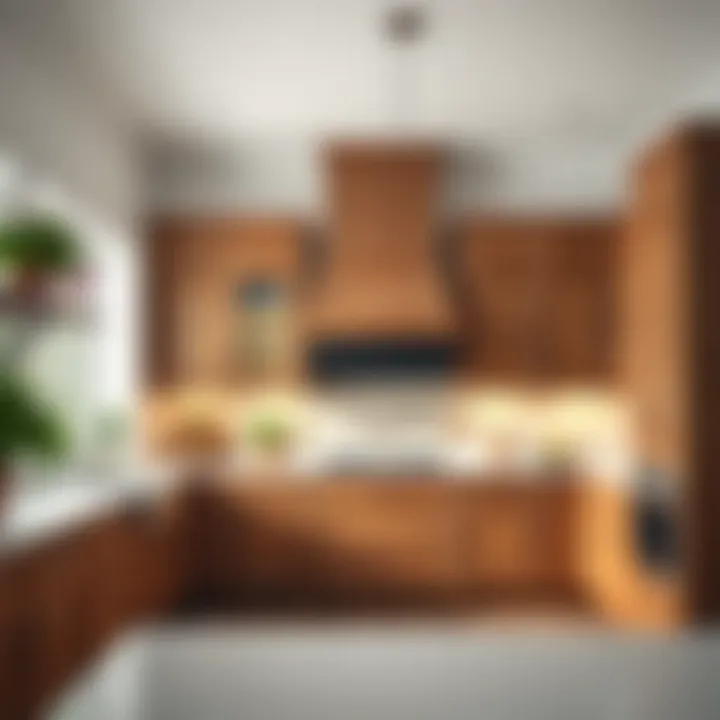
Color plays an essential role in kitchen cabinet design, influencing mood and space perception. Popular choices often include white, gray, and navy blue, each offering flexibility to blend with various designs. White provides a classic, clean look, while navy can introduce depth and sophistication. Choosing the right key characteristic of color is vital as it dictates the emotional undertone of the space. This makes popular colors an essential choice for those aiming to create a particular ambiance. A unique aspect is the ability to use color as a focal point in kitchen layouts; however, darker colors can make smaller spaces seem more confined, which is something to consider.
Types of Finishes
The finish of the cabinets can affect not just appearance but also durability. Glossy finishes reflect light and can make a space feel larger, while matte finishes offer a more subdued and warm feel. The key characteristic of different finishes includes their maintenance level, with gloss typically requiring more upkeep. This makes choosing the right finish an important aspect as it enhances both functionality and style. Unique features like textured finishes can add character but may complicate cleaning.
Impact of Color Psychology
Color psychology delves into how certain shades can evoke feelings and behaviors, making it a thought-provoking aspect of design. For instance, blues are often calming, while yellows can inspire creativity. The key characteristic here is understanding how colors can shape the kitchen’s environment, allowing homeowners to make more informed choices. This makes the exploration of color psychology a beneficial insight into kitchen configuration and atmosphere. It’s worth noting that overuse of intense colors can be overwhelming, leading to potential eschewing of some hues.
Cabinet Layout and Configuration
Base Cabinets
Base cabinets form the foundation of the kitchen and support countertops while providing ample storage. The key characteristic is their height, which is standard at 34.5 inches, allowing for comfortable workspaces. This makes them a practical choice for everyday use. A unique aspect of base cabinets is the variety of configurations available, such as drawers versus shelves; however, they can take up considerable floor space.
Wall Cabinets
Wall cabinets enhance vertical storage and maximize the use of kitchen space. They are often hung at eye level, making items easily accessible, which is their key characteristic. This makes wall cabinets a beneficial choice, especially in smaller kitchens. A unique feature is the variety of door styles, providing customization options, although they can require stretching or climbing for access.
Corner Cabinets
Corner cabinets can be tricky to work with, but they offer valuable storage solutions in tight spaces. The key characteristic is their ability to make use of often-forgotten spaces. This makes them a valuable addition for those looking to optimize space. Special features like lazy Susans and pull-out racks can enhance usability, yet they may also introduce difficulty in accessing items compared to traditional cabinets.
Open Shelving
Open shelving removes cabinet doors, offering a more spacious feel and making kitchen items easily visible. The key characteristic is accessibility, allowing for quick reach and display of beautiful dishware. This choice is popular among those who love showcasing their collections. A unique aspect is the opportunity for decorative elements in the kitchen, but they can also lead to an increase in dust and require more frequent cleaning, which may frustrate some homeowners.
Material Selection
Choosing the right material for kitchen cabinets is not a decision to be taken lightly. It’s akin to picking the perfect frame for a masterpiece; it can accentuate or diminish the overall aesthetic and functionality of your kitchen. The material selection plays a massive role in the durability, maintenance, and style of the furniture you choose. Ultimately, it influences how well your cabinets withstand the rigors of daily use while marrying functionality with visual appeal.
Wood Options
Hardwoods vs. Softwoods
When it comes to wood options, there's a distinct divide between hardwoods and softwoods. Hardwoods are typically derived from broad-leaved trees like oak or maple, while softwoods come from coniferous trees, such as pine. One key attribute of hardwoods is their density, which usually translates into superior durability. This is why hardwoods are often the go-to for high-traffic kitchen areas, as they resist dings and scratches pretty well.
In contrast, softwoods, while generally easier to work with and more affordable, may not stand the test of time as well. They tend to better suit specific styles, such as rustic or antiqued finishes, which can make them a popular choice for certain designs. Yet, they may require more maintenance to keep them looking spiffing.
"Hardwoods are like the indestructible bodyguards of your kitchen, while softwoods are more laid-back but social. They shine in the right context."
Engineered Woods
Engineered woods, like plywood or MDF, are popular in modern cabinetry design for their versatility and cost-effectiveness. One significant advantage is that they can be manufactured to minimize natural imperfections, presenting a sleek and consistent appearance. This aspect not only enhances the aesthetic but also allows for easier maintenance and cleaning.
Moreover, engineered woods can be more environmentally friendly, as they often utilize smaller trees and wood scraps, maximizing resources. However, these materials can sometimes be less durable than traditional hardwoods, so understanding your specific needs is essential. The trade-off between cost, sustainability, and performance is crucial in making an informed decision.
Sustainable Choices
Sustainable choices in materials chant a modern tune that many homeowners are keen to hear. With an ever-growing awareness of environmental issues, opting for sustainably sourced woods or recycled materials is beneficial for the planet and can also add a unique touch to your kitchen.
One remarkable feature of sustainable choices is their ability to tell a story. Whether it's reclaimed wood with a history or bamboo that grows rapidly, these options offer both style and substance. They highlight a commitment to eco-friendliness that resonates with many buyers today. On the downside, sustainable materials might sometimes carry a higher price tag or specific upkeep requirements, but their appeal can be well worth the investment.
Alternative Materials
Metal Cabinets
When it comes to durability and modern aesthetics, metal cabinets deliver in spades. Often favored in commercial kitchens, their resilience can easily find its place in residential settings. They are resistant to moisture, pests, and many kitchen accidents, making them an ideal choice for busy households. However, they can be cold and uninviting compared to wood, which may not suit every homeowner's taste.
Laminate Surfaces
Laminate surfaces present a fantastic budget-friendly alternative to solid wood. They can mimic the look of high-end materials without the hefty price tag. One of their outstanding features is the ease of cleaning and variety of designs available. They are waterproof, resist fading, and can withstand daily wear and tear. Nevertheless, while they are sturdy, they are usually not as long-lasting as natural wood.
Glass Elements
Incorporating glass elements into cabinetry introduces an element of elegance and style. It permits displays of beautiful dishware or decorative items, transforming practical storage into a mini-exhibit. Glass can lighten up a kitchen's look. However, it typically requires regular cleaning to keep things spotless, and solid glass can be fragile in high-traffic areas, potentially leading to costly repairs.
By meticulously selecting the material of your kitchen cabinets, you can significantly impact style, utility, and long-term satisfaction with your space. Explore various options, understand your needs, and reflect on your personal style; every decision adds your unique touch to your kitchen.
Functional Features
Understanding the functional features of kitchen cabinets is essential when planning or revamping a kitchen space. Practicality goes hand in hand with aesthetics, transforming how one interacts with what is often considered the heart of the home. Well-thought-out features not only enhance usability but can also maximize comfort and efficiency. These functional attributes ensure that every drawer and door serves its utmost purpose, catering to the individual needs of users. Thoughtful consideration of these elements can create a seamless cooking and entertaining experience.
Storage Solutions
Effective storage solutions are vital in optimizing the functionality of kitchen cabinets. Different designs cater to various storage needs, making it crucial to understand your specific requirements.
Pull-Out Shelves
Pull-out shelves make access to items in the back of cabinets a breeze. Unlike fixed shelves, pull-outs reveal their contents with a simple tug, minimizing the frustration of reaching deep into a dark corner. Their ability to fully extend allows for easy organization and retrieval of items, making them a popular choice in modern kitchens. Additionally, they help maximize the available space since this design utilizes typically overlooked areas. While beneficial, the downside can be the initial costs for installation and the need for regular maintenance to ensure smooth operation.
Lazy Susans
The lazy susan is a classic solution for corner cabinets, making it easy to access often-neglected items. This rotating platform allows homeowners to reach even the furthest spices or canned goods without the need for deep dives. Its adaptability makes it the perfect addition to any kitchen cabinet, and it shines in optimizing corner configurations that can otherwise become frustrating to use. However, one must consider that everything on the lazy suan is visible, which might not sit well for those who prefer a neat aesthetics.
Vertical Dividers
Vertical dividers are particularly beneficial for those who need to organize baking sheets, cutting boards, or trays. They keep items upright, making them easy to grab without the experience of a small avalanche when searching for the right piece. These dividers can help keep the cabinet tidy and functional, promoting a more streamlined workflow in the kitchen. Yet, it's essential to know that this feature works best for specific cabinet sizes and may limit flexibility if not adequately planned.
Hardware and Accessories
The hardware and accessories you choose for your kitchen cabinets can influence both style and ongoing functionality. It represents another layer of personalization while improving everyday use.
Types of Handles and Knobs
Handles and knobs come in various shapes and finishes, and they play a crucial role in achieving a cohesive kitchen aesthetic. These small yet significant details can elevate the cabinet’s look from basic to bespoke. Whether you opt for sleek stainless steel or rustic bronze, the right knobs can complement the overall design. Choosing the right handle can also determine ease of use; for instance, oversized handles may be easier to grip for individuals with limited hand strength. On the flip side, more intricate designs can be challenging to clean and may not withstand wear over time.
Soft-Close Mechanisms
Soft-close mechanisms provide an effortless closing experience, gently slowing the cabinet door before it meets the frame, thus preventing slamming. This feature is not just about noise reduction; it can significantly extend the life of your cabinets by reducing wear on hinges and drawers. Homeowners appreciate this touch, especially in households with small children or busy kitchens. However, the caveat includes additional costs in installation and the need for proper adjustment over time.
Trendy Pulls
Trendy pulls take center stage in current cabinet hardware trends. They come in various styles, from minimalist to geometrically inspired designs, which can serve as striking focal points in any kitchen. Trendy pulls draw the eye and can become a conversation starter for guests. Nevertheless, some might argue that following trends can lead to a quicker change-out due to evolving styles, so one should consider durability alongside design.
"Investing in functional features for your kitchen cabinets will serve more than just the practical dimensions; it also creates a space that reflects personal style and efficiency."
Current Trends in Kitchen Cabinet Design
Keeping up with the current trends in kitchen cabinets can often feel like trying to catch smoke with your bare hands. Yet, understanding these developments is crucial for anyone involved in renovating or designing kitchen spaces. Trends can influence aesthetic choices, and functional solutions, and help align a kitchen with modern lifestyles.
Smart functionality and sustainability are at the forefront of the contemporary kitchen cabinet scene. Integrating these trends not only boosts the efficiency of kitchen spaces but also enhances their visual appeal. People now seek solutions that reflect their values and make their lives easier, which has led to the emergence of features that combine technology with eco-friendly practices.
Smart Cabinets
The integration of smart technology into kitchen cabinets shows how design can radically shift to meet modern needs. Smart cabinets aren’t just a luxury; they often become essential for creating an efficient kitchen environment. They simplify day-to-day tasks by offering functionality that traditional cabinetry cannot provide.
Incorporating Technology
When we look at the essence of incorporating technology, it’s all about patterns. No longer is a kitchen just about looks; it’s about smart solutions. Every little detail counts, from automated lighting that shines bright when you enter to fridge and freezer systems that monitor freshness and advise when items are running low. A key characteristic of these smart systems is their ability to communicate with users, either through apps or integrated voice assistants.
One unique feature of incorporating technology in cabinets is the smart sensors installed in pull-out drawers. These can suggest the contents based on usage patterns, making meal prep easier while minimizing waste. While the initial investment can be steep, the convenience and efficiency gains often make it a fruitful choice for homeowners looking to streamline kitchen operations.
Smart Organization Systems
Talking about smart organization systems, why would anyone want a kitchen that isn’t as organized as a librarian’s bookshelves? Technology has made organizing a breeze. Integrated compartments that adjust based on contents can allow for better space utilization. By employing an array of pull-out drawers and rack systems, everything stays neatly tucked away yet remains easy to access.
One of the prime advantages is the customization. Homeowners can tailor systems to fit their specific storage needs, leading to a very personal and functional kitchen space. It’s like getting your cake and eating it too. However, these systems may require additional wiring and installation know-how, which some may find to be an uphill battle.
Sustainable Practices
As we move into a world that’s becoming more conscious of the environment, consumers are actively searching for sustainable practices in their home renovations. Kitchen cabinets are no exception; in fact, this is where both style and responsibility can really shine.
Eco-Friendly Materials
Using eco-friendly materials is an essential part of modern kitchen design. With growing awareness about sustainability, materials like bamboo, reclaimed wood, or even recycled metal are now in the spotlight. These materials not only reduce the carbon footprint but also introduce a unique aesthetic that speaks of warmth and authenticity.
Natural finishes, like low-VOC stains and paints, further enhance the eco-friendliness, eliminating chemicals that can be harmful. Homeowners often find that while the cost may be slightly higher upfront, the long-term benefits of durability and lower maintenance make eco-friendly choices a wise investment.
Energy Efficiency Considerations
Lastly, the growing focus on energy efficiency considerations plays an important role in kitchen design. Innovative cabinetry solutions can incorporate energy-efficient LED lighting that uses less power and lasts longer than traditional options. This simple change contributes to lower utility bills while also enhancing the ambiance.
What really sets energy-efficient cabinets apart is their ability to support a larger conversation about sustainability. Kitchens designed with energy efficiency in mind often include appliances that operate at lower energy levels. A synergy develops, which is beneficial for the planet and the homeowner's pocketbook alike. But balance is key; effective planning is necessary to avoid overwhelming spaces with too much technology or elements that could clash aesthetically.
"Smart technology combined with sustainable choices fosters a kitchen that not only looks great but feels right. It’s about aligning personal values with daily functionality."
In summary, the trends in kitchen cabinet design tell an engaging story of innovation, style, and responsibility. Smart cabinets merge technology and efficiency to create user-friendly environments while sustainable practices ensure that homeowners can feel good about their choices. By embracing these current trends, you're not just designing a kitchen; you're curating a lifestyle.
Maintenance and Care
Maintaining kitchen cabinets is often overlooked but is crucial for preserving their beauty and function. Well-maintained cabinets not only extend their lifespan but also enhance the overall look of the kitchen. Dirt, grease, and moisture can compromise the quality of cabinet materials, leading to unsightly stains and damage. Hence, understanding proper maintenance is essential for every homeowner and designer.
Cleaning Techniques
Daily Maintenance Tips
Daily maintenance is the day-to-day practice of keeping kitchen cabinets looking their best. Regularly wiping down surfaces with a gentle cleaner is a key aspect of this process. This is beneficial because it prevents the buildup of grime and spills, which could lead to tougher cleaning jobs down the line.
The main characteristic of daily maintenance is its simplicity. It requires merely a few minutes every day to ensure that cabinets remain intact and aesthetic. Not to mention, it’s an effective measure that saves time and effort when compared to deep cleaning methods.
- Advantages of Daily Maintenance:
- Prevents deep stains and odors
- Maintains original luster and finish
- Supports longevity of materials
A unique feature of daily maintenance tips is that they are often tailored to specific materials. For instance, wood cabinets might benefit from a natural oil, while laminate requires a different approach. This personalized touch ensures that the right products are used, maximizing the effectiveness of daily upkeep.
Deep Cleaning Guidelines
Deep cleaning serves as a thorough approach to combating stubborn residue that daily maintenance might miss. Typically performed every few months, these guidelines involve using more intensive cleaning solutions to disinfect surfaces and restore shine. The importance of deep cleaning lies in its ability to tackle embedded dirt and grease that can otherwise take years off the life of the cabinetry.
A standout characteristic of deep cleaning is its comprehensive approach. It targets all corners and crevices, ensuring that nothing is left unnoticed. This process can also involve the use of specialized tools, such as microfiber cloths or soft brushes, to avoid damaging the surface.
- Advantages of Deep Cleaning:
- Eradicates stubborn stains and buildups
- Provides a fresh, clean slate for the cabinets
- Enhances the overall kitchen ambiance
However, deep cleaning does come with its drawbacks. It can require more time and effort and, if done improperly, might harm certain finishes. Therefore, it's crucial to choose the right products and techniques tailored to the specific material of the cabinets.
Repair Strategies
Repair strategies are vital to addressing any wear and tear that may occur over time. Knowing how to fix scratches and dents, or how to refinish cabinets, not only saves money but also helps in maintaining the aesthetic value of the kitchen.
Fixing Scratches and Dents
Fixing scratches and dents in cabinet surfaces contributes significantly to their maintenance and care. A common characteristic of this process is its accessibility; many homeowners can handle these minor repairs using simple tools and products, making it an attractive option.
- Benefits of Fixing Scratches:
- Quick aesthetic improvement
- Preserves the value of cabinets
- Easy DIY application with touch-up kits
One unique aspect of repairing scratches and dents is that it can often be accomplished without professional help. There are various kits available that cater to different cabinet surfaces, ensuring that even a novice can enhance the appearance of their cabinets with relative ease.
Refinishing Cabinets
Refinishing cabinets is a transformative solution that breathes new life into worn-out cabinetry. Not only does it improve the appearance, but it also can change the entire style of the kitchen without the need for complete replacements. The key here is versatility—it allows homeowners to switch colors or finishes to stay in tune with trends.
- Advantages of Refinishing:
- Economic alternative to new cabinets
- Allows personalization and customization
- Sustainable choice as it reduces waste
Yet, refinishing does require skills and an investment of time for preparation and application. Improper techniques can lead to less than desired outcomes, so it becomes vital to follow guidelines accurately. A refined finish can be the difference between a dated look and a contemporary charm.
Budget Considerations
When it comes to kitchen renovations, budget considerations stand front and center. They dictate not only what materials can be used but also influence design choices and overall functionality. Keeping a keen eye on your budget is crucial for ensuring that every dollar spent contributes positively to the kitchen's aesthetic and operational needs. Setting clear financial parameters can prevent unpleasant surprises down the road and facilitate a smooth renovation process.
Cost Factors
Material Expenses
A chunk of your kitchen cabinet budget is inevitably devoted to material expenses. Choosing the right materials can make or break the kitchen, impacting durability, maintenance, and even visual appeal. For instance, high-quality hardwoods might cost more upfront, yet they offer greater longevity and a timeless look. On the flip side, engineered woods can be a less expensive option, providing appealing finishes without breaking the bank. When assessing material expenses, consider how the chosen material aligns with both your style and your long-term upkeep plans.
Unique feature: While hardwoods can be quite pricey, their sturdiness and aesthetic value make them a long-term favorite. Conversely, materials like laminate offer budget-friendliness but may lack the character that comes with natural wood. The trade-off here is between immediate savings and potential future costs of replacement or repairs.
Labor Costs
Labor costs, another significant factor, often add up faster than anticipated. Whether you're working with contractors or planning to tackle the kitchen renovation yourself, understanding these expenses is key to budgeting effectively. Hiring skilled craftsmen guarantees a quality finish, although it’s accompanied by a higher price tag. Doing it yourself can save considerable money, yet it comes with the risk of mistakes that can complicate matters.
Unique feature: Labor often includes not just installation but also potential design consultation. In the case where you may choose to engage professionals, consider their expertise as an investment that ensures a seamless installation and optimal functionality. This aspect can be pivotal if you're aiming for standout custom cabinetry.
Value for Investment
Quality vs. Price
Delving into the quality vs. price debate is a must when assessing kitchen cabinets. It’s tempting to opt for the most affordable options to stick within budget; however, this can result in compromising long-term value and satisfaction. Investing in higher-quality cabinets, while more costly initially, reduces the need for frequent replacements or repairs. This consideration extends beyond the cabinets' material to include their construction, features, and warranty options.
Unique feature: Quality cabinets typically come with better fittings and finishes that contribute to their durability. A cabinet that stands the test of time not only keeps its aesthetic appeal but also adds to a home’s value in the long run.
Long-Term Benefits
When looking at long-term benefits, the right investment in kitchen cabinets can yield dividends that far exceed the initial financial outlay. Features like solid construction, superior materials, and innovative designs can enhance user experience and satisfaction dramatically. Furthermore, energy-efficient designs and sustainable materials are increasingly becoming valuable assets that cater to environmentally conscious buyers.
Unique feature: By prioritizing durability and a timeless aesthetic, homeowners not only saves money on replacements but also provide an elevated living experience that prospective buyers may find attractive. Ultimately, the right choices now can translate into meaningful savings and enhanced home appeal down the line.
Ending
The conclusion plays a crucial role in summarizing the insights presented throughout this article. It serves as the final touchpoint for readers, encapsulating the significance of thoughtful kitchen cabinet selection. In a world where kitchen designs frequently evolve, being able to synthesize this information allows homeowners, interior designers, and architects to make well-informed decisions.
Crafting a functional and stylish kitchen space starts with understanding one fundamental truth: kitchen cabinets are more than mere storage solutions; they set the tone for the entire room. As we’ve explored various styles, materials, and features, it becomes evident that cabinets influence both aesthetics and practicality. Quality cabinets can enhance workflow, offer greater organization, and ultimately elevate the cooking and entertaining experience.
Experts accentuate the importance of balancing budgetary constraints with quality selections. A more expensive cabinet might initially seem like a strain on finances, yet it can offer longevity and functionality that cheap alternatives lack.
Additionally, the pursuit of sustainability in cabinet selection marries modern sensibilities with eco-consciousness. The rise of smart technology integration in cabinets illustrates how essential kitchens are evolving—catering to both style preferences and practical needs.
"When investing in kitchen cabinets, remember, you're not just purchasing furniture; you're crafting a space that echoes your lifestyle and values."
The thoughtful selection of cabinets can lead to fewer mistakes and an easier renovation process, making it an imperative consideration in any kitchen project.
Recap of Key Points
As we reflect on this exhaustive guide, several key points emerge:-
- Design Styles: A variety of styles exist, such as traditional, modern, rustic, and minimalist. Each brings its own flair and functionality to a kitchen.
- Materials Matter: Wood type, engineered options, and alternative materials like metal and glass all play a part in durability and visual appeal.
- Functional Features: Excellent storage solutions, hardware types, and accessories are vital in maximizing space and organizing your kitchen.
- Current trends: The integration of smart technology and eco-friendly practices reflects today's design landscape, shaping future developments in kitchen cabinetry.
Encouraging Thoughtful Selection
Encouraging thoughtful selection in kitchen cabinet design goes beyond mere preference; it involves understanding your unique needs and aligning those with available options. Here are some suggestions to guide a prudent selection process:
- Assess Your Space: Ensure you measure your kitchen dimensions accurately to maximize functionality and aesthetic appeal.
- Consider Your Lifestyle: If you frequently entertain, opt for cabinets that provide ample storage yet still offer a welcoming atmosphere.
- Budget Wisely: Establish a realistic budget early in the project while considering quality over quantity. Investing in durable materials can prove cost-effective over time.
- Stay Updated: Keep an eye on emerging trends and technology. Smart kitchen cabinets can provide functionality that traditional designs simply can’t offer.
- Seek Expert Advice: Consulting with interior designers or architects specializing in kitchen renovations can provide insights you may not have considered.
Making deliberate and informed choices about kitchen cabinets can transform not only the look of a kitchen but also its function. In the end, a well-designed kitchen is a blend of utility and beauty, and it starts with the right cabinets.