Recessed Wall Bookshelves: Space-Saving Solutions
Intro
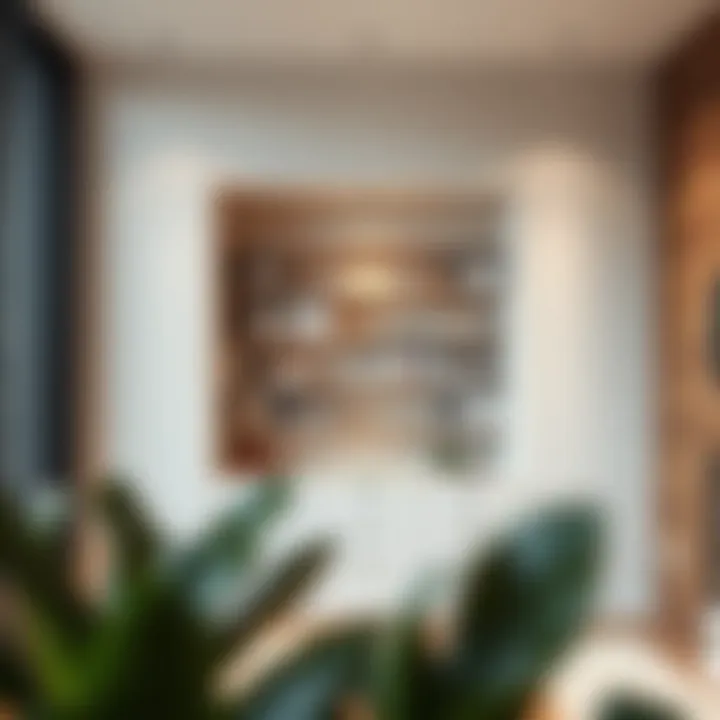
In today’s world, where space often comes at a premium, making the most of our surroundings is essential. Among the clever solutions that have emerged, recessed wall bookshelves stand out not just for their utility, but also for their ability to transform an ordinary space into something extraordinary. These shelves ingeniously blend into walls, providing an aesthetic addition that seamlessly integrates with existing decor. As we dive into this exploration, we will uncover the myriad possibilities that recessed wall bookshelves offer, touching on designs, materials, and practical considerations that are crucial for any homeowner or interior designer.
Furniture Trends
Current Styles and Influences
The design world is a constant ebb and flow, with trends shaping how we think about space and functionality. Currently, several styles are gaining traction in the realm of recessed wall bookshelves. From mid-century modern with its clean lines and subtle elegance to industrial styles that showcase raw materials like metal and wood, homeowners have a wealth of options to suit varying tastes.
Minimalist designs have taken the spotlight as well. Clean, uncluttered lines that emphasize form and function over ornate embellishments are extremely appealing to many. This simplicity not only maximizes space but also allows for personal touches to come through in the items displayed upon the shelves.
“Less is more,” a phrase made famous by architect Ludwig Mies van der Rohe, perfectly encapsulates this current trend.
Seasonal Trends and Color Palettes
As seasons change, so do color palettes and styles. For instance, warm tones like terracotta and rust are making waves in fall, reminiscent of autumn leaves. These hues can bring a little warmth and the feeling of coziness to a room when used in recessed shelving. In contrast, spring tends to favor soft pastels and brighter colors, reflecting the rejuvenation of nature.
When incorporating these seasonal trends, it’s important to think about how colors can enhance the overall aesthetic of a home. This can involve choosing paint colors that complement the shelving or even selecting books and decor items that harmonize with the seasonal themes.
Buying Guides
Choosing the Right Furniture for Your Space
Selecting the appropriate recessed wall bookshelf isn't merely a matter of style; it's about functionality as well. Here are some points to assist in the decision-making process:
- Measure Twice, Cut Once: Ensure that the dimensions of the shelf fit well within the space available. Haphazard placement can lead to a cluttered appearance.
- Assess Your Needs: Consider what you'll store on these shelves. Are you looking to display books, decorative pieces, family photos, or something else entirely? Different items require different depths and widths.
- Think About Accessibility: If you have books or items that you access frequently, place them at eye level.
Evaluating Quality and Durability
Not every bookshelf is created equal. Quality is paramount, particularly when installing a fixture intended to last. Here are some things to keep in mind:
- Material Matters: Look for sturdy materials like solid wood, metal, or high-quality engineered wood. Real-wood veneers can offer a nice touch without breaking the bank.
- Construction and Finish: Pay attention to the shelf construction and the durability of finishes. A solidly built bookshelf with a resilient finish will resist wear and tear much better.
- Weight Capacity: Always check how much weight your shelves are rated to hold. This is critical for both safety and functionality.
In summary, recessed wall bookshelves are a fantastic choice for maximizing space while adding a modern touch to interiors. By understanding current trends, choosing wisely, and focusing on quality, homeowners and designers alike can make informed decisions that breathe new life into their spaces. Whether you're reinventing a cozy reading nook or aiming to create an eye-catching display wall, the right bookshelf can serve as a functional and aesthetic cornerstone.
Understanding Recessed Wall Bookshelves
Recessed wall bookshelves represent more than just mere storage; they encapsulate an ethos of efficient living within a stylish framework. These shelves seamlessly integrate into the architecture of a home, allowing one to utilize vertical space that often goes unused. Understanding the nuances of recessed wall bookshelves is crucial for anyone looking to enhance their environment—be it a homeowner aiming for functionality or a designer striving for aesthetic appeal.
Definition and Concept
At its core, a recessed wall bookshelf is a shelving unit built into the wall, creating a flush appearance that preserves floor space. This design is particularly beneficial in smaller rooms where every inch counts.
The concept aligns with the philosophy of minimalism, emphasizing clutter reduction while accentuating simplicity. The idea of building shelves directly into walls not only optimizes space but also creates a streamlined look that adds depth to a room. It encourages careful selection of items to display, promoting a curated lifestyle rather than a chaotic one. This approach challenges the traditional free-standing furniture concept and invites one to explore the possibilities of integrated designs.
Historical Evolution
The roots of recessed wall bookshelves can be traced back to ancient architectural practices, where niches were carved into walls to serve a variety of purposes—from displaying artifacts to storing essentials. Ancient Egyptians and Romans often aligned their interiors with built-ins, reflecting a profound understanding of space management.
Fast forward to the mid-20th century, and we see these designs evolve with the introduction of modern materials and a shift towards open floor plans, making recessed bookshelves more relevant than ever. They became synonymous with sophisticated urban living, allowing for both creativity and style.
As we moved into the 21st century, sustainability became a new driving force behind design choices. Homeowners began to favor lightweight materials and eco-conscious production methods, which are now prevalent in today's recessed bookshelf offerings. The versatility of these shelves has since expanded, integrating advanced technology and contemporary aesthetics, encouraging furniture that doesn't just sit in a room, but enhances it.
"The right design can make a small space feel larger and more inviting, transforming the way we interact with our surroundings."
In summary, recessed wall bookshelves are not merely functional but are vital components in the aesthetic and spatial narrative of modern design. Recognizing their historical context and evolving nature empowers homeowners and designers to leverage their full potential.
Benefits of Recessed Wall Bookshelves
Recessed wall bookshelves offer an array of advantages that go beyond mere storage. Understanding these benefits is essential for anyone considering the addition of such functional art to their space. The incorporation of recessed bookshelves can transform an ordinary room into a masterpiece of design and efficiency. This section dives into three key benefits: space optimization, aesthetic enhancement, and versatility in design.
Space Optimization
When it comes to tight living quarters, every inch counts. Recessed wall bookshelves utilize often-overlooked nooks in a room to maximize storage without encumbering valuable square footage. They are designed to fit seamlessly into the wall, allowing homeowners to reclaim floor space that traditional shelves occupy. This placement means that you can store a considerable amount of books, decorative items, or even plants without the risk of overcrowding the room.
Moreover, strategic positioning of these shelves, say around door frames or between windows, creates functional areas that contribute to the overall design of the interior. For instance, installing a couple of narrow shelves in a surprisingly deep alcove near the kitchen can serve both storage and display purposes. Not only does this provide additional room for cookbooks and jars but it also adds character to what might otherwise be an empty corner.
Aesthetic Enhancement
The visual impact a recessed wall bookshelf has on a space can’t be overstated. They offer a sleek and modern look that can elevate the overall ambiance of the room. Utilizing materials like rich woods or tempered glass can bring warmth and sophistication, depending on the desired aesthetic.
In contrast to bulky furniture pieces, recessed shelves maintain an airy feel, allowing light to flow freely and making spaces feel larger. Customization options enable homeowners to choose finishes and styles that complement their existing decor, whether that be mid-century modern, contemporary, or something more rustic.
"The perfect bookshelf isn’t just for books, but the stories they tell through their arrangement."
Every tome, every artifact is a chance to showcase personal taste while enhancing the physical space. A well-placed shelf can become a focal point, showcasing art pieces or family photographs in a manner that is both organized and inviting. This is particularly important in smaller spaces, where maintaining a balance of style and function is crucial.
Versatility in Design
Recessed wall bookshelves are not one-size-fits-all; they can adapt to the needs and desires of the homeowner or designer. They can vary in depth, height, and configuration, allowing for an impressive array of design possibilities. Want a cozy reading nook? Tailor a recessed bookshelf to include a cushioned seat with a compact interior storage solution. Looking for a way to display collectibles? Create staggered shelves that allow for both height and depth variations while ensuring easy access and visibility.
In open-concept spaces, these shelves can act as dividers, subtly indicating transitions between areas without creating the cramped feel associated with traditional partitions. They make excellent spaces to integrate technology, such as incorporating smart lighting for both functionality and drama.
In summary, the benefits of recessed wall bookshelves extend well beyond basic functionality. They promote efficiency in small spaces, elevate the aesthetic appeal of every room, and offer unrivaled versatility in design. By integrating these elements, homeowners can cultivate environments that reflect their unique style while also serving their practical needs.
Design Considerations for Recessed Wall Bookshelves
Incorporating recessed wall bookshelves into your home isn't merely about functionality; it’s also an art that requires careful thought and planning. The design considerations for these shelves can significantly influence both the utility and beauty of a space. Choosing the right location, ensuring appropriate size and scale, and integrating these elements with existing decor can elevate an ordinary room into something remarkable. Not only do these considerations streamline the design process, but they also ensure that your recessed shelves are both practical and visually appealing.
Choosing the Right Location
The placement of recessed wall bookshelves plays a pivotal role in their effectiveness. You want to find a sweet spot that catches the eye yet doesn't overwhelm the existing layout. Consider high-traffic areas such as living rooms, hallways or even home offices where a shelf can serve a purpose. On the flip side, avoiding cramped spaces is key; a shelf crammed between two doors or windows might feel like it’s intruding instead of enhancing the room.
Think about the natural flow of the room. A bookshelf should complement the layout, not disrupt it. For example, if you have a cozy reading nook, placing it nearby can create a harmonious atmosphere that invites you to dive into your collection of novels. Make sure the location allows easy access, too. Nobody wants to stretch too far or juggle a stack of books while trying to retrieve the one on the top shelf.
Size and Scale Appropriateness
When it comes to the dimensions of your recessed wall shelves, size matters—quite a bit, in fact. A hulking bookshelf looms over a space with an intimate feel, while diminutive shelves can become lost against expansive walls. The key is to strike a balance.
Firstly, measure the wall space available. A good rule of thumb is to leave some breathing room around the shelves; they shouldn’t feel like they’re crowding the walls. If you're dealing with a smaller room, opt for narrow, tall shelves which draw the eye upward and create an illusion of height—very clever! Conversely, in a larger area, wider shelves can break the monotony and add a statement.
Next, consider how much stuff you actually want to store or display on those shelves. Having a firm grasp of the intended purpose will guide you toward the right number of shelves as well. If they’re all about showcasing a collection of rare antiques, you want enough width and depth to accommodate them safely.
Integrating with Existing Decor
Finally, let’s talk about the big picture: how to make those recessed wall bookshelves mesh seamlessly with your existing decor. One effective approach is to take cues from the surrounding elements. The material of the shelves should harmonize with other furniture pieces in the room, whether that's using oak to match a wood dining table or sleek glass to align with stainless steel appliances in a modern kitchen.
The color scheme is also essential; a contrasting color can make the shelves pop, while matching colors can create a soothing, uniform look. This thoughtful consideration adds a layer of sophistication to your design.
Moreover, think about accessories. You can personalize the shelves using decor items that resonate with your style, be it through strategically placed art pieces, potted plants, or figurines that evoke fond memories.
"Integrating design elements is about bringing a cohesive narrative to your space at every level."
Ultimately, the success of your recessed wall bookshelves boils down to these core considerations: location, size, and integration. Addressing each of these points carefully can help weave functionality and style into the fabric of your home's design.
Materials and Styles for Recessed Wall Bookshelves
When it comes to recessed wall bookshelves, choosing the right materials and styles greatly influences both aesthetics and functionality. Selecting from varied elements can transform a simple wall into an engaging space, enhancing the overall vibe of a room. Let’s break down the major material categories and their unique attributes.
Wood Finishes
Wood remains a perennial favorite for a multitude of reasons. It brings warmth, texture, and a touch of nature to any interior. Different finishes can dramatically alter the look and feel of wooden shelves.
- Natural Wood: Using raw, natural wood displays its grain patterns and imperfections, offering a rustic charm. Consider oak or walnut for their durability and character.
- Stained Variations: Stains can present a vast palette—from something deep and dark to a light wash that emphasizes wood knots. For example, a cherry wood shelf stained dark can introduce a sense of sophistication in an otherwise modern room.
- Painted Finishes: A pop of color can shift the whole dynamic of a space. Soft pastels might work wonders in children’s rooms, while bold hues like forest green could ground a contemporary area.
Metal and Glass Combinations
Metal and glass bring a sleek and modern feel that resonates particularly well in contemporary settings. These materials are often combined to create striking shelving designs.
- Glass Shelves: They offer an airy feeling that helps light flow through a space, ideal for smaller rooms where visual clutter can lead to chaos.
- Metal Frames: Frames crafted from brushed nickel or matte black metal provide sturdy support while adding an industrial edge. The contrast between the metal and glass allows for visually appealing transitions that complement various interior styles.
- Mixed Materials: Think of a setup where wooden shelves sit atop a metal frame. It merges the cozy ambiance of wood with the boldness of metal. This combination suits loft-style apartments and modern homes alike as it caters to functionality and visual appeal seamlessly.
Unique Textures and Tones
Exploring different textures and tones can provide depth to recessed wall bookshelves. These factors enhance how light interacts with the shelves and affect how they are perceived in a room.
- Rough Textures: These can make a statement. A reclaimed wood shelf, for instance, stands out through its weathered appearance, telling the story of its previous life while giving a nod to sustainability.
- Smooth Surfaces: On the other hand, sleek, smooth finishes work magnificently in minimalist designs. High-gloss finishes or lacquered surfaces can reflect light, adding to the interior brightness.
- Color Textures: Using hues that fluctuate depending on the angle of light can create a dynamic visual experience. For example, a bookshelf painted in a gradient tone could become a focal point, drawing the eye and stirring conversation.
These materials and styles speak volumes about the character of your home. Each choice must align with the lifestyle and aesthetics favored by those living in the space. For further inspiration, consider checking out sources like Wikipedia, Britannica, and relevant topics discussed in forums like Reddit.
Selecting the right material and style is foundational to achieving a bookshelf that’s not only a storage solution but a sensation that can elevate an entire room.
Installation of Recessed Wall Bookshelves
When it comes to incorporating recessed wall bookshelves into your space, the installation aspect plays a pivotal role. This isn’t merely about putting up shelves; it’s about seamlessly blending functionality, aesthetic appeal, and the structural integrity of your walls. A well-installed bookshelf not only serves its purpose but also enhances the overall design of a room, making it crucial for homeowners, architects, and interior designers to consider various installation techniques and strategies.
DIY Installation Techniques
For those who appreciate a hands-on approach, DIY installation of recessed wall bookshelves can be an exhilarating experience. However, it’s vital to approach the project with thorough planning and the right tools. Here are some essential steps:
- Measure Accurately: Start by determining where you want the shelves. Use a stud finder to identify wall studs and mark them accordingly. It’s crucial that your shelves are anchored securely to support the weight of books and decor.
- Cut Openings: If you’re working with drywall, cut carefully along the marked lines. A drywall saw works wonders here. The goal is to create a snug space that allows the shelves to fit flush against the wall.
- Build the Frame: After cutting the drywall, you might want to build a frame using 2x4s to ensure stability around the opening. This frame will offer additional support and a solid structure for the shelves.
- Install Shelves: Once you’ve created the framework, proceed to install the shelves. Use brackets or additional supports as needed to ensure they can bear the load.
- Finishing Touches: After securing the shelves, patch up any visible seams with joint compound, sand them down, and paint to match the rest of the wall. This last step provides a clean look, making the shelves appear as a natural part of the room.
"A process becomes art when the craftsmanship is evident in the details."
Although DIY may save some bucks, it does require a decent level of competency with tools and techniques. Miscalculations or improper installations can lead to unfortunate outcomes, such as shelves collapsing under pressure.
Hiring Professional Help
For many, the prospect of DIY installation might feel like a daunting mountain to climb. In such cases, hiring professionals can alleviate the stress associated with the installation process. But how do you ensure you choose the right professional?
- Research: Start by checking local contractors who specialize in shelving installations. Websites like Yelp or HomeAdvisor can provide reviews and ratings.
- Get Estimates: Once you have a few candidates, request estimates. This gives you a sense of pricing and helps you identify who fits your budget.
- Review Portfolios: A skilled installer usually has a portfolio to showcase past work. Reviewing this can provide insight into their expertise and style.
- Ask Questions: Don't hesitate to discuss your vision and ask questions. A good installer will offer suggestions based on experience.
- Discuss Timeline: Be clear about the time frame required for the installation. It’s essential that you and the installer are on the same page regarding schedules.
By opting for professional installation, you can rest easy knowing that your recessed wall bookshelves are installed correctly, allowing you to focus on design and decoration without the worry of potential structural issues.
Cost of Installation
Budgets often dictate whether homeowners choose to embark on DIY projects or hire professionals. It’s wise to understand the various factors that influence the cost of installation:
- Material Choices: The type of wood or material you choose can significantly affect overall costs. Solid hardwood tends to be pricier than plywood or MDF.
- Labor Costs: Hiring a contractor typically involves paying for their expertise and time. Expect labor costs to vary based on the complexity of the installation and regional rates.
- Design Complexity: Customized designs may come with higher costs due to additional time and materials involved.
- Finishing Touches: Don't forget to factor in the cost of paint, trim, or any finishing materials that may enhance the aesthetic appeal.
To provide a ballpark figure, basic installations can range from a couple of hundred to a few thousand dollars, depending on size and complexity. Research and gather estimates to ensure you’re making an informed decision.
In wrapping up this installation discussion, it’s clear that whether you decide to go the DIY route or enlist professional help, careful planning and understanding the process are key aspects to achieving beautiful and functional recessed wall bookshelves.
Maximizing Functionality with Recessed Wall Bookshelves
When it comes to recessed wall bookshelves, functionality frequently tops the list of considerations for homeowners and designers alike. These clever architectural features do more than just nestle books; they confer a multitude of uses that transform how one interacts with space. The focus on maximizing space and functionality arises from the belief that every inch counts, especially in contemporary living environments where urban expansion often comes at the expense of ample square footage. This makes recessed bookshelves not just a luxury, but a necessity for optimizing the utilization of available area.
Incorporating Lighting
Lighting isn't merely an afterthought when it comes to recessed wall bookshelves; it serves as a fundamental component that can significantly enhance both practicality and visual appeal. Thoughtfully integrated lighting can dramatically highlight the displayed items, ensuring that whether it's a cherished novel or a prized sculpture, it draws attention in a tasteful manner.
Consider installing LED strip lights along the top edges of a bookshelf. The warm glow they emit creates a cozy ambiance, perfect for evening reading. Another effective approach is to use adjustable spotlight fixtures that direct light onto specific sections. This style not only emphasizes the contents but also adds a stylish flair to the overall room decor.
Incorporating natural light is also crucial. Placing bookshelves near windows allows sunlight to stream in, creating a vibrant spot during the day. However, it’s vital to consider the fading effects UV rays might have on books and decor. Simple solutions, such as UV-filtering window films or sheer curtains, can mitigate such issues.
Utilizing Shelves for Display and Storage
Recessed wall bookshelves are excellent tools for merging display with storage, offering a practical solution for clutter. Beyond merely accommodating literature, these shelves can be purposefully styled for both functionality and aesthetics.
- Display Options: Frame the middle shelf with artful trinkets or family photographs. This personal touch can draw admiration while smartly exhibiting memorabilia.
- Functional Storage: Consider integrating compartments or containers for smaller items such as keys or mail. Characteristic boxes or decorative bins can bring order to chaos while enhancing the decor style.
When arranging items, it's beneficial to play with height and depth by layering things back to front. Larger books can act as barriers, creating a natural separation between decor items, thereby fostering a visually engaging presentation.
Additionally, don’t shy away from using non-book items to enhance visual interest. Ornate vases, succulents, or even seasonal decorations can spur vibrancy among the shelves and create a dynamic visual narrative that changes over time.
To truly maximize functionality, consider the shelving arrangement as both a storage solution and a canvas for personal expression.
With a clear understanding of how to incorporate light and how to utilize display and storage effectively, recessed wall bookshelves can transform an ordinary wall into a dynamic focal point, intertwining style and practicality seamlessly. Whether one aims for a minimalist aesthetic or a more eclectic approach, the scope of design possibilities is expansive, ensuring that each unique setup results in a space that's perfectly tailored to that homeowner's life.
Challenges and Solutions
When considering recessed wall bookshelves, it’s crucial to understand the various challenges that may arise during the design and installation process. This section sheds light on common obstacles and offers potential solutions, ensuring that your endeavor leads to an aesthetically pleasing and functional outcome. Addressing these challenges can significantly enhance the longevity and usability of your recessed bookshelves, making it an important topic in this article.
Addressing Wall Structure Limitations
Every home has its quirks, particularly when it comes to wall structures. Some walls may consist of uneven surfaces, while others might be constructed of materials that are less than ideal for supporting built-in shelving. It's paramount to identify these limitations upfront. For instance, if you're working with a drywall construction, understanding its load-bearing capabilities becomes essential.
- Assessing the Material: Check if the wall is made of concrete, brick, or wood framing. Each material requires a different approach for installation and reinforcement.
- Weight Distribution: Ensure the installation accommodates the weight of books and décor. Using brackets or anchors suited for the wall make and intended use will distribute the weight effectively.
- Reinforcement Techniques: If the wall structure isn't robust enough, wall studs could be added to provide additional support. This might involve some remodeling but is worth it in the long run.
By taking these elements into consideration, you avoid the risk of sagging shelves and ensure that your design holds up under pressure. Addressing wall structure limitations from the outset will also save time and resources that might be wasted on fixing future mishaps.
Overcoming Aesthetic Disagreements
Aesthetic disagreements can crop up during the design phase, particularly when multiple family members or stakeholders are involved in the decision-making process. It’s essential to balance functionality with aesthetics, a harmony that may seem elusive.
- Incorporating Personal Preferences: Sit down with all involved parties to discuss styles they prefer. Do they lean towards modern minimalism or vintage charm? Pinpointing the significant styles can help narrow down design choices.
- Mood Boards: Create mood boards using color palettes and material samples to visualize the final look. This can help in aligning everyone’s expectations and preferences.
- Flexibility in Design: Consider a design that incorporates elements appealing to everyone. For instance, open shelving might be combined with closed cabinets, offering a mix for varying tastes.
By proactively addressing aesthetic disagreements, you cultivate a sense of ownership among all parties involved, allowing for a collective investment in the final design. Doing so ensures that the recessed wall bookshelves become a wonderful focal point within the interior space rather than a source of contention.
Resolving challenges with design and installation not only enhances the aesthetic quality of your living space but also maximizes the functionality of recessed wall bookshelves.
Ending
In summary, the journey into the world of recessed wall bookshelves is not without its hurdles, but understanding and addressing challenges like wall structure limitations and aesthetic disagreements significantly simplifies the process. With a little advance planning and compromise, these shelves can transform a dull wall into a striking centerpiece, providing both style and practicality.
For more information on interior design concepts and the art of shelving, visit Britannica or Reddit for examples and discussions.
Inspiration and Examples
Exploring inspiration and examples of recessed wall bookshelves is crucial for understanding their design potential and functionality. The way these bookshelves complement a space goes beyond mere storage; they can transform an ordinary room into a more dynamic environment. They offer a canvas for creativity, melding form and function, and thus they hold a high value in modern interior design. Whether you seek minimalism or a touch of vintage, having ample examples to draw from can spark unique ideas tailored to your specific taste and needs.
Modern Minimalist Designs
Modern minimalist designs focus on clean lines, uncluttered spaces, and a philosophy that less is indeed more. Recessed wall bookshelves in this vein typically feature sleek, geometric shapes and monochromatic color palettes, allowing the architecture of the room to shine while keeping the focus on the books themselves. More than just storage units, these bookshelves can highlight a home's contemporary style, encouraging an open feel that speaks to the minimalist ethos.
Imagine a living room where the shelves, neatly built into the wall, display a select few books and some carefully chosen decor, such as a vase or a small sculpture. This arrangement not only serves to store items but also aesthetically enhances the space.
Some key features of modern minimalist designs include:
- Integrated LED lighting to illuminate the shelves, adding depth without overpowering the room.
- Neutral color schemes that can fit seamlessly into any decor style, creating cohesion.
- Customizable shelving heights, allowing you to adjust and adapt space for larger books or objects.
"A well-designed bookshelf doesn't just hold books; it can be an art piece that defines a space."
Eclectic and Vintage Aesthetics
On the other end of the spectrum, eclectic and vintage aesthetics celebrate uniqueness and history. Recessed wall bookshelves here are often characterized by an array of colors, patterns, and textures, reflecting a story or a personality. You might encounter reclaimed wood, ornate detailing, or vintage finishes that make a striking statement against a contemporary backdrop.
These bookshelves can serve as conversation starters, showcasing not only volumes of literature but also heirlooms, family photos, or quirky art pieces. They bridge generations, allowing homeowners to display a curated collection that tells a narrative of their journey and experiences.
When considering this approach, here are some delightful elements to incorporate:
- Mismatched shelf heights or depths, which can break the monotony and add visual interest.
- Layered decor, mixing books with personal mementos for a cozy, lived-in feel.
- Vintage-style finishes, which can bring charm and warmth to the overall aesthetic of the room.
Ultimately, whether opting for modern minimalism or an eclectic, vintage style, recessed wall bookshelves offer versatile solutions that enhance both the space and its visitors' experiences.
Future Trends in Recessed Wall Bookshelves
The landscape of interior design constantly evolves, and recessed wall bookshelves are no exception. As modern homeowners and designers hone in on optimizing spaces, several trends are emerging, signaling new directions for bookshelf design. These trends are not merely about aesthetics; they also emphasize function and sustainability. Understanding these movements can significantly benefit interior decorators, architects, and everyday homeowners looking to maximize utility while maintaining style.
Sustainable Practices
Sustainability is more than a buzzword; it's a necessity in contemporary design. As people become more environment-conscious, the materials used for recessed wall bookshelves are shifting towards eco-friendliness. For instance, reclaimed wood has surged in popularity. Homeowners are becoming savvy, seeking bookshelves crafted from sustainably sourced timber or recycled materials. This practice not only helps in cutting down carbon footprints but also adds a unique character to each piece, making every installation one of a kind.
Moreover, there’s a significant push towards finishes that are low in volatile organic compounds (VOCs). Such products reduce indoor air pollution, aligning with the current trend of creating healthier living spaces. Using non-toxic stains and paints further helps in promoting a healthier environment for families.
Consider incorporating bamboo or cork into designs; these materials grow quickly, offering a renewable solution without compromising on durability or aesthetics. As the demand rises, suppliers are more inclined to provide these greener options, reflecting broader environmental awareness in consumer choices.
"Sustainable design is not just a trend, but a moral call to balance our existence with our surroundings."
Smart Furniture Innovations
In an age dominated by technology, it's no surprise that the integration of smart features into recessed wall bookshelves is gaining traction. Smart furniture isn't just a fleeting gimmick; it’s revolutionizing how we interact with our possessions. Imagine bookshelves that not only store books but also feature built-in lighting systems. These systems can be adjusted easily with voice commands or via smartphone apps, allowing for customized ambient lighting that enhances the reading experience.
Another innovative feature is USB charging ports embedded within the design, providing an effortless way to power up devices while enjoying a moment with a favorite book. This blend of utility and elegance meets the needs of modern life, where convenience is key.
Additionally, some cutting-edge designs incorporate modular setups that can adapt to changes in personal circumstances or preferences. For instance, imagine shelves that can be easily reconfigured to accommodate larger volumes of books or varying decor styles, reflecting the ever-changing nature of our lives.
The future of recessed wall bookshelves lies in the equilibrium of technology and design, promising to enhance functionality without sacrificing aesthetic appeal.
End
In summing up the conversation surrounding recessed wall bookshelves, it's clear that these features play a pivotal role in both functionality and aesthetics of modern settings. The integration of bookshelves within the walls not only capitalizes on the often underutilized vertical space but also adds a polished look to rooms that might otherwise feel crowded or disjointed.
Recap of Core Insights
When we reflect on the key points, it becomes evident that:
- Space Efficiency: Recessed wall bookshelves allow for effective use of space, particularly in smaller homes or apartments, by drawing eyes upward and minimizing spatial clutter.
- Design Flexibility: With a range of materials and styles available, from sleek metal and glass combinations to warm wooden finishes, homeowners can tailor the design to fit their unique aesthetic.
- Practical Functionality: These shelves not only serve as a storage solution but can also double as a display feature, showcasing cherished items or books while maintaining an organized environment.
- Sustainability and Future Trends: As noted in previous sections, moving towards sustainable practices and smart furniture innovations is becoming increasingly pertinent in home design, indicating an emerging norm rather than a passing trend.
Final Thoughts on Recessed Wall Bookshelves
Moving forward, as the trends shift towards smarter, more eco-friendly designs, embracing recessed wall bookshelves can set the stage for innovation in personalized interiors. Embracing this art form not only enhances everyday living experience but also elevates the entire decorative quality of your home, making it more enjoyable to live in while being exceptionally functional.
"Design is not just what it looks like and feels like. Design is how it works." — Steve Jobs
Thus, diving into the world of recessed wall bookshelves could very well be one of the most beneficial decisions in modern home design.