The Beauty and Functionality of Red Kitchen Rugs
Intro
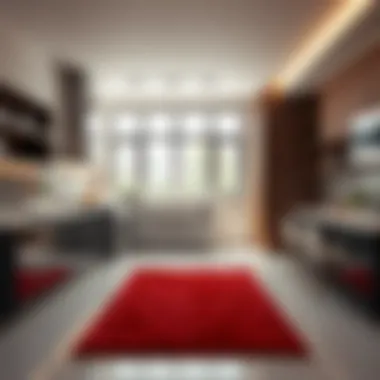
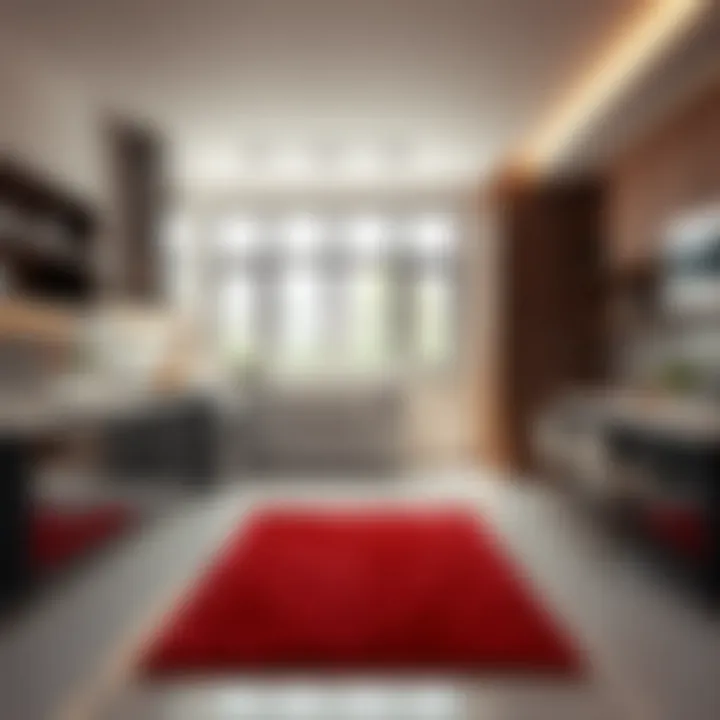
The kitchen is often dubbed the heart of the home, a place where culinary creativity intertwines with everyday life. Among the various elements that contribute to a kitchen's ambiance, flooring and rugs play a quietly crucial role. Red kitchen rugs have found their way into many households, offering a vibrant touch that combines both style and functionality. But why should one consider utilizing a red rug in such a vital area? Well, this article seeks to cast light on this topic by breaking down the aesthetic appeal, practical benefits, and selection criteria for these bold additions.
Furniture Trends
When exploring the realm of red kitchen rugs, it's vital to recognize the broader furniture trends influencing kitchen decor.
Current Styles and Influences
In recent years, interior design has leaned heavily on the concept of open spaces and minimalism, yet the right accessories—like a striking red rug—can bring warmth and individuality back into the space. The juxtaposition of industrial elements with softer textiles creates a balanced atmosphere. For instance, pairing a daring red rug with sleek metal stools or rustic wooden cabinets creates a fascinating visual narrative. Designs that draw from vintage florals or geometric patterns can accentuate the table linens or dishware, transforming a simple kitchen into a designer’s dream.
Seasonal Trends and Color Palettes
The ebb and flow of the seasons dramatically affect color preferences. In the spring, brighter, mood-lifting hues like cherry red often take precedence, while darker shades such as burgundy can add sophistication during autumn. Harmonizing your red rug with seasonal palettes can breathe fresh life into kitchen decor. A well-chosen rug can capture the essence of the season, enhancing overall warmth and cheer.
"Integrating colors of the season not only elevates aesthetics but also provides a feeling of newness in familiar spaces."
Buying Guides
When it comes to selecting the perfect red kitchen rug, a handful of pointers can aid in making an informed choice.
Choosing the Right Rug for Your Space
The first step is understanding the dimensions of your kitchen. Whether it’s a snug corner by the sink or a grand space around the dining area, the rug must complement the area without overcrowding. Consider materials that are easy to clean, as kitchens are prone to spills and crumbs. Synthetic fibers often resist stains while providing comfort underfoot.
Evaluating Quality and Durability
Quality should never be an afterthought. Invest in rugs with durable backing to ensure longevity. Look for options that are labeled as fade-resistant to maintain that beautiful red hue over time. Familiar brands like Mohawk Home and Safavieh often bring a balance of style and durability. Furthermore, understanding the care instructions is crucial. Some rugs, albeit lovely, may require more effort than one might be willing to give.
Preface
In today’s world, where the kitchen has evolved into more than just a cooking space, it also plays a vital role in setting the tone of a home. The aesthetic and functional aspects of kitchen decor cannot be understated. Among various decor elements, red kitchen rugs offer a compelling blend of beauty and practicality that can truly transform the space.
First off, the vibrant hue of red can evoke feelings of warmth and energy, making kitchens feel inviting. This is particularly important as kitchens are often the heart of family gatherings and day-to-day activities. A red rug can anchor the room while serving as a striking focal point that draws the eye. The rich color not only adds a splash of personality but also complements various design themes, from rustic to modern.
From a practical standpoint, kitchen rugs serve essential functions. They help protect flooring from spills and stains, which are inevitable in any cooking area. Moreover, a good rug can provide cushioning and comfort underfoot, a feature that may not seem substantial until one spends prolonged hours standing while cooking or entertaining. This dual-purpose utility makes red kitchen rugs a wise investment for homeowners looking to enhance both the look and functionality of their kitchens.
Moreover, the choice of a red rug is not just about selecting a piece of fabric for the floor. It involves careful consideration of the overall decor, color palettes, and size of the kitchen. It's essential to think about how a rug will sync with other elements such as cabinets, countertops, and appliances. In this article, we will unpack the multifaceted role of red kitchen rugs, taking a closer look at their significance in home decor, the various types available, and useful tips for choosing the perfect one for your space.
Red kitchen rugs can be a statement as well as a solution. They blend function with flair, illustrating that everyday items can indeed be stylish without compromising on utility. This guide is here to help you navigate through the choices and considerations, making the journey toward enhancing your kitchen a little less daunting.
The Significance of Color in Home Decor
Color plays a pivotal role in shaping the aesthetics and ambiance of any living space, particularly in the kitchen. The choice of color can reflect personal style, influence mood, and even impact productivity. In this context, red kitchen rugs serve as not just functional elements but also as vibrant statements that can enhance the overall design narrative of the space. By understanding the significance of colors, especially red, homeowners and designers can make informed decisions that contribute to both aesthetic appeal and practical utility.
Psychology of Color
Color psychology is the study of how colors affect human emotions and behaviors. Red, particularly, is a color that invokes powerful feelings. It’s often associated with warmth, energy, and dynamism. In terms of interior design, particularly in kitchens, red can stimulate appetite and conversation, which is vital in spaces designed for gathering and sharing meals.
Here are some psychological effects of red that can impact kitchen decor:
- Energy Boost: Red inherently captures attention and can energize a space. A bright red rug can uplift a kitchen that feels dull or overly neutral, making it a lively environment for family interactions.
- Warmth and Comfort: Kitchens are the heart of many homes. Adding red through rugs creates a sense of warmth that can make a place feel inviting.
- Passion and Excitement: Red embodies passion, which can translate into creativity in cooking and socializing, making kitchen time more enjoyable.
By leveraging these psychological aspects of red, decorators can create environments that not only look good but also feel good. A red kitchen rug, thus, is not merely decor but a catalyst for heightened experiences within the home.
Cultural Associations with Red
Red is a color laden with cultural significance across various contexts. In many cultures, it symbolizes good fortune, happiness, and prosperity. For instance:
- Chinese Culture: In China, red is traditionally associated with good luck and is often present in celebratory decorations, particularly during festivals. A red kitchen rug can echo these values, bringing a sense of celebratory warmth to the home.
- Western Culture: In Western societies, red often represents strong emotions, including love and passion. These associations make it a natural fit for spaces designated for gathering, where intimate conversations and family bonding happen.
- Indian Culture: Red in India is deemed auspicious and is often associated with married life, tying traditions of hospitality strongly to this color.


The cultural implications of red can influence how a kitchen is perceived by visitors as well as how it makes the occupants feel about their space. Decorating with a red kitchen rug brings not only color but a rich tapestry of meaning that resonates across different cultural views.
Ultimately, integrating a red kitchen rug can be a powerful design choice. Not only does it evoke emotional responses, but it also opens a dialogue with cultural symbolism, making one's kitchen truly unique and personal.
The Functional Role of Kitchen Rugs
Red kitchen rugs serve not just as decorative pieces but also fulfill essential functions that enhance the kitchen environment. They play a pivotal role in balancing aesthetics with practicality. In bustling kitchens, where spills and foot traffic are the norms, rugs provide protective layers, ensuring the flooring remains unblemished. Furthermore, they contribute to safety and overall comfort, elements paramount in any culinary space.
Protection for Your Floors
When it comes to maintaining the integrity of your kitchen flooring, red rugs act as a formidable barrier against the daily wear and tear. Whether you have gleaming hardwoods or a more fragile laminate, these rugs absorb the brunt of impacts, reducing the risk of scratches or scuff marks. In areas prone to spills, such as near the sink or stove, a well-placed red rug can catch accidental splashes, saving you from permanent stains on the floor.
- Preservation: Using rugs prolongs the life of your flooring by absorbing dirt and moisture that would otherwise seep into the surface.
- Style Meets Protection: Choosing a red rug not only protects but also adds a splash of color, making the kitchen cozy and inviting.
- Variety of Materials: From plush polyesters to durable natural fibers, the right material can provide enhanced protection tailored to your kitchen's specific needs. For example, synthetic rugs often allow easy cleaning, which is crucial in a high-traffic area.
"A well-protected floor is like a well-kept secret; it speaks volumes about care in the home without saying a word."
Safety and Comfort Aspects
In a kitchen, safety is often underrated, yet extremely crucial. This is where the right rug can come to the rescue. A quality red kitchen rug can greatly enhance safety through its non-slip features. Many modern rugs come with specialized backing that grips the floor, minimizing the risk of slipping, especially when hands are full or when moving quickly between tasks.
- Non-Slip Designs: Opt for rugs that advertise non-slip properties, ensuring stability as you navigate your cooking space.
- Cushioning Effect: Adding a soft rug can also take the strain off your feet when standing for prolonged periods. This cushioning can significantly reduce fatigue during meal preparation.
- Visual Warmth: The bright hue of red not only creates a welcoming atmosphere but also makes the kitchen feel more inviting and less sterile, fostering a comfortable space for family gatherings and culinary creativity.
Through their multifaceted roles, red kitchen rugs merge form with function, transforming spaces while ensuring durability and safety. Choosing the right combination of style, material, and placement can ensure that your kitchen is both a culinary haven and a stylish backdrop.
Varieties of Red Kitchen Rugs
Red kitchen rugs come in an array of designs and styles, each catering to unique aesthetic preferences and practical needs. It’s wise to explore these varieties because selecting the right type can transform not just the look of the kitchen but also its functionality. A well-chosen rug can unify decor themes, provide comfort, and even elevate culinary vibes. Let’s delve into the different varieties of red kitchen rugs and discover what makes each of them special.
Traditional vs. Modern Designs
When we talk about traditional designs, we're often referring to patterns that have deep roots in heritage and history. Think intricate motifs, such as Persian and oriental patterns, rich color palettes, and framing traits that often evoke a sense of warmth and nostalgia. On the flip side, modern designs lean towards minimalism and abstract art; they boast bold geometries and striking color blends.
- Traditional Rugs: Typically made from wool or cotton, they offer classic warmth. Their colors are usually muted and earthy, providing a sophisticated backdrop for cottage-style or farmhouse kitchens.
- Modern Rugs: Made from more innovative materials like nylon or polyester, they often feature sharp lines and vibrant shades of red. These designs fit seamlessly into contemporary kitchens, adding a pop of color that can brighten any space.
Understanding the balance between traditional and modern can help homeowners choose a style that is both fitting and engaging, making their kitchen not just a place to cook but a true reflection of their personality.
Textured and Patterned Options
Texture plays a vital role in the selection of kitchen rugs, as it impacts the sensory experience of the space. A textured rug can add depth and interest, inviting tactile engagement. Moreover, various patterns can create focal points that draw the eye beyond mere functionality.
- Textured Options: These include shag rugs or loop pile designs. Shag rugs, with their plush surface, provide a cushy experience, particularly useful for standing or working in the kitchen for long periods. Loop pile rugs, on the other hand, are usually sturdier, often leading to a more informal feel.
- Patterned Rugs: Opt for checks, stripes, or whimsical designs that capture a lively atmosphere. These patterns not only enhance the aesthetic but can also cleverly disguise stains and spills, making upkeep a bit easier.
Incorporating a fragrant patterned rug can be the cherry on top of your kitchen aesthetic, blending practicality and style in a delightful tapestry.
Eco-Friendly Choices
With increasing awareness of environmental issues, the demand for eco-friendly kitchen rugs has surged. Many homeowners are looking for sustainable options to match their values with their decor.
- Natural Fiber Rugs: These rugs, often made from materials like jute, hemp, or wool, offer durability and a soft touch while being biodegradable. Their natural hues can also complement a variety of kitchen styles, from rustic to coastal.
- Recycled Materials: Some manufacturers now produce rugs made from recycled plastics or textiles. This not only reduces waste but can also offer a unique aesthetic that reflects a commitment to sustainability.
Choosing eco-friendly red kitchen rugs is not only a stylish decision but a thoughtful one as well. It embodies a lifestyle choice that taps into the broader movement towards sustainability, showcasing that you can care for the planet while still keeping your space fashionable.
"The choice of a rug reflects personal values; choosing responsibly sourced materials speaks volumes beyond mere decor."
Materials and Construction
When considering the broader context of kitchen rugs, materials and construction play a pivotal role. The composition of a rug can dramatically affect its functionality, longevity, and aesthetic appeal. Kitchen rugs are not merely decorative elements; they have practical applications that must be paired with durable materials that can withstand the rigors of a kitchen environment. Choosing the right materials can enhance the rug's appearance while ensuring it serves its purpose effectively. This section delves into synthetic materials, natural fibers, and essential factors surrounding durability and maintenance considerations, guiding readers through the nuances of selecting red kitchen rugs that marry beauty with utility.
Synthetic Materials
Synthetic materials like polyester and nylon are often favored for kitchen rugs due to their resilience and stain resistance. These materials are engineered to offer durability, making them proficient at standing up to spills and foot traffic. Synthetic rugs are generally easy to clean, allowing homeowners to maintain a tidy kitchen without much hassle.

Moreover, synthetic fibers can be produced in various textures and colors, giving designers and homeowners a broad palette to work with when choosing a red kitchen rug. For instance, a polyester rug might sport a bright crimson hue with a plush texture, adding a significant flair to the room.
Additionally, the affordability of synthetic options makes them accessible for a more extensive range of consumers. However, it's important to note that not all synthetic materials are created equal. While some mimic the look of natural fibers, others may lack the same level of comfort or warmth.
Natural Fibers
On the other hand, natural fibers like cotton, wool, or jute offer a unique aesthetic charm that many find appealing. Cotton, for example, is soft underfoot, making it a comfortable choice for kitchens where individuals stand for extended periods. Wool, known for its warmth and durability, can also withstand kitchen wear and tear quite effectively when appropriately treated for stain resistance.
Natural fiber rugs typically boast breathable properties, making them less prone to mold or mildew—a crucial aspect in a kitchen setting. Additionally, jute provides a rustic look that pairs well with many decor styles; it offers a natural texture that synthetic options usually cannot replicate. Yet, these fibers often require more maintenance to keep them looking fresh and can be less tolerant to spills unless treated.
Durability and Maintenance Considerations
Regardless of material choice, the durability and maintenance of kitchen rugs cannot be overlooked. When selecting a rug, it's crucial to consider the amount of traffic the rug will encounter and the likelihood of spills. For high-traffic kitchens, a rug constructed from a blend of synthetic materials might be advisable, while a lesser-used space might afford the luxury of a more delicate natural fiber rug.
"A rug that is truly functional must not only beautify but also endure. Choose materials wisely!"
Maintenance practices also differ between synthetic and natural fibers. Synthetic rugs often require simple vacuuming and occasional spot cleaning, while natural fiber rugs may need periodic deep cleaning to maintain their integrity. So, it’s vital for homeowners to evaluate how much time they’re willing to invest in upkeep.
Selecting the Right Size
Choosing the right size for your red kitchen rug is a make-or-break decision that can drastically affect both the aesthetics and functionality of your space. An ill-fitting rug can create a chaotic look or, worse yet, hinder movement in your kitchen. On the other hand, a perfectly-sized rug adds a touch of elegance while serving its practical purpose. It’s about striking that delightful balance; you want the rug to complement your kitchen without overwhelming it.
Measuring Your Kitchen Space
Before heading to the store, armed with enthusiasm and a credit card, take a moment to measure your kitchen space carefully. The goal is to determine not just the area where you want to place the rug, but also to consider surrounding furniture and appliances. Here’s a simple method to guide you:
- Grab a Measuring Tape: Measure the length and width of the area you envision for your rug. It's essential to do it accurately, as a little miscalculation can lead to a lot of disappointment.
- Consider Traffic Patterns: Your kitchen is often a bustling area. Factor in where foot traffic flows. You don’t want your rug to block key pathways or create potential tripping hazards.
- Leave Some Floor Visible: Generally, a good rule of thumb is to have a rug size that leaves at least 12-24 inches of flooring around its edges, depending on the size of your kitchen. This not only emphasizes the rug but also guides the eyes through the space, creating visual interest.
Taking these aspects into consideration, you can ensure that your rug fits just right, neither too small nor too large which might otherwise lead to an awkward feel.
Creating Visual Balance
Once you’ve determined the ideal size, the focus shifts to visual balance. A red kitchen rug can either anchor the space or make it appear cluttered. Here’s how to create that wonderful equilibrium:
- Harmonize Colors: If your kitchen is furnished in neutral tones, a vibrant red rug can serve as a striking focal point. But if your color palette is already rich in hues, aim for a rug that complements rather than competes, possibly a more muted red or one with patterns that tie in your existing colors.
- Consider Room Layout: The arrangement of elements in your kitchen—cabinets, countertops, and dining areas—plays a role in how balance is perceived. A larger rug under a dining table can delineate that space clearly from cooking areas, giving each part of your kitchen its own identity without feeling disconnected.
- Use Shapes to Your Advantage: Rectangular rugs can elongate the visual lines in a narrow kitchen, while round rugs can create a softer touch in a traditionally styled space. Not only does the shape matter but it can influence how spacious or cozy your kitchen feels.
Remember, achieving visual balance is like fine-tuning an instrument. Every piece needs to play its part harmoniously to evoke the right ambiance in the kitchen.
"The smallest details can make the biggest impact in your home."
By carefully measuring your space and creating visual balance, the addition of a red kitchen rug not only enriches your space but enhances your daily kitchen experience.
Placement Strategies
Placement of red kitchen rugs is not just a matter of aesthetics; it affects both functionality and the overall vibe of your kitchen space. The positioning of a rug can dictate foot traffic patterns, ease of cleaning, and even the emotional ambiance of the room. Choosing the right place for a red rug means considering factors like room layout, appliance placement, and personal style. Thus, it’s crucial to think strategically about where to lay down those vibrant pops of color.
Common Placement Areas
When it comes to laying down a red kitchen rug, several key areas can enhance both style and utility:
- Under the Sink: A rug in this zone can absorb drips and splashes, protecting your flooring and making clean-up a cinch.
- In Front of the Stove: Standing over the stove can get tiresome, but a plush rug can offer some cushioning, making cooking much more comfortable.
- Key Walkways: Positioning a red rug where foot traffic is high can add warmth and prevent slips on hard surfaces, particularly if you choose a non-slip backing.
The choice of placement can significantly alter the kitchen's functionality and feeling. For instance, a rug near the dining area can serve as a visual boundary between the cooking space and the eating area, creating distinct zones. However, placing a rug in front of the refrigerator might be less practical, as it risks getting dirty more often and may create challenges while opening the doors.
Layering Techniques
Layering rugs is becoming more common in home decor, providing a diverse textural experience. Here’s how you can effectively layer a red kitchen rug:
- Base Layer: Start with a solid-colored or subtle pattern as your base; this can help in grounding the space and adding depth without overpowering.
- Top Layer: Place your red rug on top. Select one that contrasts yet complements the base rug’s color scheme, drawing the eye without overwhelming the senses.
Tip: Use different materials for each layer—like a jute base rug with a vibrant, patterned red wool rug on top. This not only enhances visual interest but also gives added warmth and comfort underfoot.

Combining these strategies can elevate the overall ambiance, making your kitchen not only a place for cooking but also for gathering and enjoying family moments.
Whether you prefer a bold statement or a subtle touch, emphasing thoughtful placement will ensure your red kitchen rugs add both flair and functionality.
Caring for Your Red Kitchen Rug
When it comes to maintaining a red kitchen rug, attention is key. Not only do these rugs add a pop of color and warmth to your kitchen space, but they also require proper care to keep them both functional and visually appealing. Over time, dirt, spills, and general wear can diminish their vibrancy, so understanding how to care for them can extend their life and maintain their charm. This section will explore crucial cleaning recommendations and care techniques that help preserve the quality of your rug while ensuring it contributes positively to the kitchen environment.
Cleaning Recommendations
Keeping your red kitchen rug clean is more than just aesthetics; it’s also about hygiene. Here are specific tips to tackle common messes:
- Regular Vacuuming: At least once a week, give the rug a good vacuum to remove crumbs and dust. Avoid using beater bars if your rug is delicate, as this can lead to fraying.
- Spot Cleaning: For spills, tackle them immediately to prevent staining. Blot the area with a clean cloth, applying mild detergent mixed with water, then rinse with another damp cloth to remove soap residue.
- Deep Cleaning: Depending on the material, consider a professional clean every six to twelve months. If your rug is machine-washable, check the care label for the right settings.
"A clean kitchen rug isn’t just visually pleasing; it also helps in keeping your kitchen feel fresh and inviting."
Storing and Maintaining Quality
If you need to store your red kitchen rug for any reason, or if you want to maintain its quality over time, consider the following:
- Proper Storage: If you need to store your rug, avoid folding it as this can create creases. Instead, roll it up loosely, placing it in a breathable container, away from direct sunlight to prevent fading.
- Conditioning: For natural fiber rugs, such as wool, apply fabric conditioner occasionally to keep the fibers supple.
- Avoiding Heavy Furniture: In your kitchen, try to avoid heavy furniture sitting on your rug for prolonged periods. This can leave unsightly dents or cause misshaping over time.
Maintaining your red kitchen rug is essential for both its aesthetic appeal and functional longevity. By adhering to these cleaning and storage practices, you can enjoy both comfort and beauty in your kitchen, while ensuring your rug remains a vibrant part of your home decor for years to come.
Trends in Kitchen Rugs
In the ever-evolving world of home decor, kitchen rugs have taken on a role that transcends mere functionality. They are seen as pivotal elements that can tie together various themes within a kitchen space. Discussing trends in kitchen rugs involves recognizing their aesthetic and practical implications. It’s important to stay informed about what’s en vogue, as it directly affects choices in colors, patterns, and materials that greatly impact the culinary environment. Regrettably, ignoring this aspect could lead to outdated designs that detract from a home’s overall appeal.
When considering trends, homeowners and designers ought to reflect on several elements:
- Visual Interest: Rugs with innovative designs can serve as focal points.
- Color Coordination: A kitchen rug should complement or enhance existing decor elements.
- Ease of Maintenance: As kitchens see spills and splashes, the demand for easy-to-clean materials increases.
Emerging Design Trends
As trends unfold, it's fascinating to observe how various design styles emerge, evolve, or even make a comeback. Current trends indicate a lean toward minimalistic design, where simplicity reigns supreme. This has led to rugs that offer subtle patterns and muted hues, allowing for a serene kitchen environment. In stark contrast, bold, geometric prints are also experiencing a revival as enthusiastic homeowners seek to make statements.
Beyond mere aesthetic allure, it’s the mixing of textures that holds real appeal. Combining cotton and jute in a single piece brings a unique feel underfoot. Innovative designs are not merely about how they look but also how they shape your spatial experience. Experimenting with different textures cultivates warmth, making the kitchen a more inviting place.
Moreover, the emergence of vintage-inspired designs is bridging past and present. These designs often incorporate distressed looks and retro patterns that evoke nostalgia while ensuring modern sensibilities.
Sustainable and Ethical Choices
In recent years, the conversation around sustainable and ethical choices has also penetrated the realm of kitchen rugs. Many consumers are now aware of the environmental impact of their purchases. This budding awareness has resulted in a significant shift toward rugs made from renewable materials. For instance, bamboo or organic cotton rugs provide ecologically sound options while offering durability and softness.
In addition to the materials, a focus on fair trade practices has become central. Brands that support artisans from marginalized communities are gaining popularity, as customers become increasingly concerned about the ethical implications of their purchases. Investing in rugs that are not only aesthetically pleasing but also responsibly made adds depth to your decor while aligning with personal values.
Choosing rugs that emphasize sustainability can be a statement of intent—communicating a commitment to environmental stewardship and social responsibility. Furthermore, these options often come with the added bonus of unique craftsmanship, contributing to a character that mass-produced items simply can’t match.
"Ethically produced rugs carry stories of people and places, adding a rich tapestry of meaning to your home."
In summary, trends in kitchen rugs reflect a significant shift toward design elements that prioritize sustainability, unique textures, and personal expressions, making them indispensable for both functionality and aesthetic appeal.
Epilogue
In wrapping up our exploration of red kitchen rugs, it’s crucial to reflect on their multifaceted role within the home environment. These rugs offer not just a splash of color, but they serve as an important design element that ties together the aesthetics of any kitchen space. The vibrant hue of red can evoke energy, warmth, and even appetite, which is a desirable quality for any culinary environment.
Significantly, the functional attributes of these rugs deserve attention. They act as protective layers for your flooring, absorbing spills and preventing scratches. Safety cannot be overlooked either; a well-placed rug can provide much-needed traction, minimizing slips while you navigate your kitchen tasks. Comfort is yet another aspect, as stepping onto a soft rug can ease fatigue from standing for prolonged periods.
When considering the selection process, homeowners should weigh several factors. Size, material, and design all play fundamental roles in ensuring a rug not only complements the kitchen décor but also meets practical needs. For instance, a high-traffic area might benefit from a durable synthetic fiber, while a cozy, less frequented corner could showcase a delicate, natural fiber rug.
The discussion about cleaning and maintenance leads to better care, prolonging the life of the rugs. A well-maintained red kitchen rug can continue to serve as a statement piece while fulfilling its functional purpose. Regular cleaning, rotation, and mindful placement can make all the difference in upkeep.
As trends continue to evolve, red kitchen rugs have proven their timelessness, adapting to modern styles while retaining their charm. Thus, they remain a worthy consideration for anyone wishing to enhance their kitchen space.
Ultimately, don’t underestimate the impact of a simple rug. It’s more than just decor; it’s an essential component that brings together style, function, and comfort. Whether you’re redoing your kitchen from the ground up or just looking to add a touch of warmth, a red kitchen rug might just be the finishing touch you seek.
"A good rug can transform a space, turning the mundane into something special."
For further insights on decor ideas, you can visit valuable resources like Wikipedia on Home Decor or join conversations on Reddit about Interior Design.