Runner Rugs: A Stylish Addition to Living Rooms
Intro
In the world of interior design, few elements manage to blend practicality with artistry quite like runner rugs. Often overlooked, these elongated pieces of textile can dramatically influence the atmosphere and aesthetic of a living room. From a beautiful way to guide visitors through a space to a soft comfort underfoot, runner rugs have a role that expands beyond mere decoration.
Their unique dimensions make them versatile, fitting snugly in narrow hallways, beside sofas, or even in front of custom-built shelving. In essence, a well-chosen runner rug can pull together different design elements, balancing a room's colors and fostering a sense of warmth. This article will uncover their multifaceted benefits, explore design options, and provide actionable tips for selecting the ideal runner rug to suit both style and functionality.
Furniture Trends
Current Styles and Influences
As we plunge deeper into the realm of interior design, it's crucial to recognize the ever-evolving nature of furniture trends, particularly concerning runner rugs. Today, many households lean into minimalism, favoring clean lines and neutral palettes. However, there is also a resurgence of bohemian flair with vibrant colors, patterned textiles, and eclectic styles. In both cases, runner rugs serve a central adhesive function, tying together disparate pieces of furniture and decor.
Decorators are increasingly favoring natural materials like jute or sisal, as sustainability has become a defining characteristic in contemporary design. Textured rugs not only provide tactile interest but also add layers to the overall decor. The popularity of patterns—whether geometric, floral, or abstract—allows runners to act as focal points or subtle backdrops, depending on one’s design intentions.
Seasonal Trends and Color Palettes
Design trends are often dictated by the changing seasons, much like nature’s cycles. In spring, lighter colors and pastel shades bloom. A runner rug in a delicate sage or muted rose can evoke a refreshing spirit, ideal for a living room welcoming sunlight and breezy vibes. As summer unfurls, bold hues and rich earthy tones emerge. Think of terracotta or deep teal, bringing a sense of vibrancy to the space.
Autumn ushers in warmth with golden yellows and rusty oranges, while winter tends to favor deeper shades like navy and forest green, complemented by cozy textures. The interplay of color and texture, especially in runner rugs, is crucial for creating a cohesive seasonal theme in your living room. By strategically choosing a runner that resonates with the seasonal palette, homeowners can ensure their space feels timely and inviting.
"Color is the keyboard, the eyes are the harmonies, the soul is the piano with many strings." - Wassily Kandinsky
Buying Guides
Choosing the Right Runner Rug for Your Space
When it comes to picking a runner rug, the first thing to consider is the dimensions of your living room. Measure the spaces where you intend to place the rug to ensure it fits snugly without overwhelming other furniture. A rug that’s too large can make a small room feel cramped while a tiny runner in a spacious area may seem lost.
Next, think about the rug’s purpose. Will it see heavy foot traffic? If so, durability becomes paramount. Materials like polypropylene or nylon are ideal for such scenarios, as they resist stains and wear. Conversely, if the aim is to create a cozy reading nook, plush options made from wool or cotton may be preferable for added comfort.
Evaluating Quality and Durability
Not all rugs are created equal, and understanding quality can save you from future heartaches. When evaluating a runner rug, check the weave. Handwoven rugs often display richer patterns and textures, but machine-made options can be more practical and affordable without sacrificing too much aesthetic value.
In addition, scrutinize the care requirements. Some materials require dry cleaning, while others can be easily spot-cleaned at home. Knowing how much maintenance you are willing to commit to can inform your selection.
Foreword to Runner Rugs
Runner rugs have become quite the discussion piece when decorating living rooms. They are not just for aesthetics; they broaden the scope of what it means to design a space effectively. Ideally, they serve a dual purpose: enhancing the visual appeal while providing functional advantages. These rugs can define areas, lead the eye, and even provide a comforting surface underfoot. The charm of runner rugs lies in their ability to bridge gaps in both decor and style, bringing cohesion to otherwise disparate elements in the room.
Defining Runner Rugs
In the simplest terms, runner rugs are elongated, narrow carpets intended to fit in tight spaces or along pathways. They can range in size from two to three feet in width and can stretch much longer, making them perfectly suited to hallways, entryways, and of course, living rooms. The design of a runner rug allows it to fit snugly between furniture pieces or along the perimeter of a room, creating a sense of flow and direction. They can be made from a variety of materials, which in turn influences their durability and ease of maintenance.
Understanding the precise dimensions and shapes of runner rugs can indeed guide homeowners in functional decor choices, ensuring that the rug not only fits but enhances the room’s overall persona.
Historical Context
Historically, rugs have played an integral role in home decor across cultures for centuries. The use of runner rugs can be traced back to various civilizations who recognized their utility beyond mere decoration. For instance, traditional Persian rugs often originated as way to protect floors from wear while adding warmth and character to an environment.
During the 19th century, the use of these rugs began spreading, primarily through trade routes that connected Europe and the Middle East. As industrialization took hold, the production of rugs evolved, making them more accessible to the general public. The charming idea of a runner rug began to seep into many households, reflecting the cultural nuances and craftsmanship of the period.
Unlike the lavish carpets of the past, today’s runner rugs show a diverse array of designs that fit different tastes. They can reflect modern sensibilities or emulate vintage styles, enticing even the most discerning decorators.
In short, the historical evolution of runner rugs reflects our ever-changing understanding of home design, marrying functionality with creativity.
"Rugs, particularly runner rugs, are more than just floor coverings; they tell stories of culture, artistry, and style."
Understanding their definition and historical background is paramount for anyone considering the addition of runner rugs to their living spaces. With this knowledge, one can make an informed decision, weaving elegance and practicality into the heart of their home.
Aesthetic Contributions of Runner Rugs
Runner rugs hold a special place in interior design, especially within living rooms. They are not just mere floor coverings; they can significantly influence the ambience and style of your space. By meticulously choosing runner rugs, homeowners can engender a cohesive and inviting feel throughout the room. Let's delve deeper into the aesthetic contributions these rugs can provide, exploring the elements involved in color selection, pattern styles, and their ability to enhance existing decor.
Choosing Suitable Colors and Patterns
The color and pattern of a runner rug can make or break the aesthetic appeal of a living room. When selecting a rug, one should always consider the color palette of the room. A bold, vibrant color can act as a statement piece, capturing attention right away. For example, a bright red runner might serve to inject energy into an otherwise muted space, signaling a lively atmosphere. On the other hand, a soft pastel or neutral tone might evoke serenity, facilitating a calm, restful environment.
Patterns also play a crucial role. From intricate Persian designs to simplistic geometric shapes, patterns can enhance space perception. For instance, a rug with horizontal stripes can give the illusion of a wider room, making it feel more spacious. This choice is especially important in smaller living rooms, where space utilization is paramount. Whether opting for floral motifs or abstract art, matching the rug’s design with your living room’s theme can refine the overall décor.
Creating Visual Flow

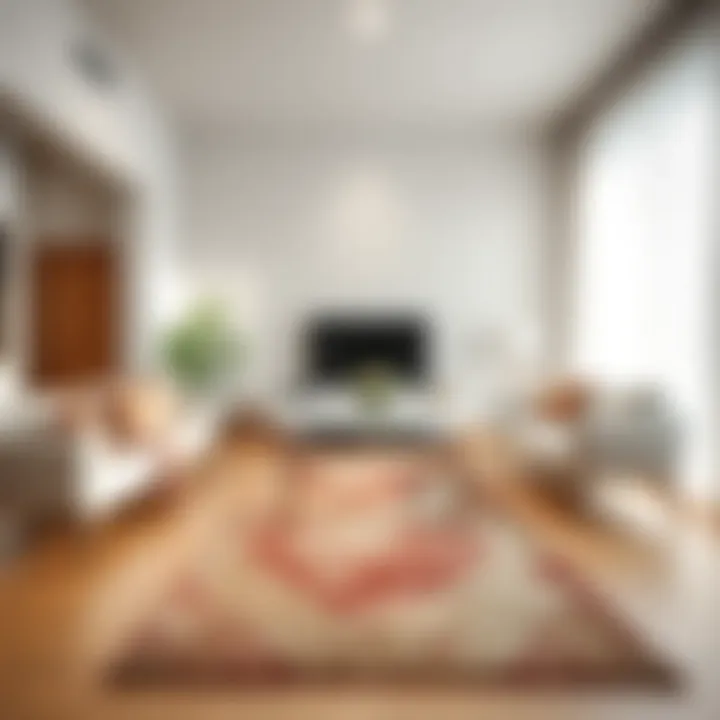
Runner rugs not only define areas but also lead the eye through a room, guiding movement between distinct zones. When placed strategically, these rugs can anchor furniture clusters or create pathways, enhancing the room's flow. For example, positioning a runner between a sofa and coffee table results in a coherent arrangement, creating a polished look.
In some designs, having the runner stretching from the entrance to the seating area fosters a seamless transition, connecting the space subtly. It acts as a visual cue that encourages movement towards the cozy seating, making the living room feel more connected. Moreover, in open-concept homes, a well-placed runner can help delineate the living room area from adjoining spaces, such as the dining or kitchen area, ensuring that each section retains its distinct feel without feeling isolated.
Complementing Existing Decor
Choosing a runner rug is an opportunity to enhance and complement existing decor elements. Consider existing furniture, curtains, and art. If a room is filled with dark wood furniture, a lighter rug may brighten the area, providing balance. Alternatively, a rug echoing colors found in artwork or throw pillows can unify the theme.
A solid-color rug can serve as a canvas, allowing patterned furniture and vibrant artwork to shine. In contrast, a patterned runner can add depth and texture to a minimalist room, offering a focal point without overwhelming the senses. It’s crucial to consider the interplay of textures as well. A wool runner can introduce warmth while contrasting against glossy furniture finishes, creating visual interest.
"Selecting the right runner rug can transform a space, marrying beauty with functionality."
In summary, the aesthetic contributions of runner rugs in living rooms cannot be overstated. They enhance the visual and emotional aspects of the space, making careful selection essential. By choosing appropriate colors and patterns, creating visual flow, and complementing existing decor, homeowners can elevate their living room’s appeal undoubtedly and timelessly.
Functional Advantages of Runner Rugs
Runner rugs are more than just a decorative element; they serve several practical functions that enhance the living room experience. These versatile rugs can reshape the atmosphere in a room while also providing essential benefits, like comfort and safety. By exploring their functional advantages, homeowners can make informed choices that elevate not only the aesthetics of their spaces but also the ease of daily life.
Enhancing Comfort
One of the primary roles of runner rugs is to offer comfort underfoot. Walking on cold or hard surfaces can be jarring, particularly during chilly mornings or amidst winter months. By introducing a runner rug, you add a layer of warmth and softness that makes any space feel more inviting. Consider natural fiber options like wool or cotton for maximum coziness; these materials tend to retain heat, creating a warm nook for your feet.
To amp up the comfort factor, selecting a rug with a thicker pile can offer a plush feel, almost like walking on a cloud. This softness is especially crucial in high-traffic areas where family members often gather, providing that much-needed respite during those long hours spent lounging on the sofa.
In choosing a runner, think about the foot traffic patterns in your living room. A well-placed runner can transform an ordinary walk into a luxe experience, something you might notice during a casual stroll while sipping on your morning coffee.
Defining Spaces
In open-concept living spaces, runner rugs are particularly useful for defining different areas. They can separate the lounge area from a dining space or delineate a reading corner without the need for physical barriers. This subtle tactic not only enhances the visual appeal of a room but also aids in directing movement through your home.
When selecting a runner, consider its placement carefully. A runner positioned parallel to a sofa or coffee table can guide the eye, establishing a flow that feels intentional. A creative placement of a rug can act like a visual anchor, grounding various elements in your space.
- Use runners to create zones:
- Lounge area
- Reading nook
- Hallway passage
Minimizing Accidents
Safety is a paramount concern in any home, particularly in areas where children or elderly individuals reside. Runner rugs can effectively reduce slip and fall incidents by providing additional traction. Many modern runner rugs come equipped with non-slip backing, ensuring they stay put even when traversed frequently.
When it comes to implementing runners for safety, consider opting for low-profile options when dealing with thresholds or doorways. A rug that won’t curl up at edges minimizes tripping hazards — a critical aspect for maintaining a safe environment. Focusing on rug placement can not only enhance safety but also ease anxiety for homeowners who worry about slip risks.
- Benefits of runner rugs for safety:
- Non-slip materials provide grip.
- Low-profile designs reduce tripping risks.
In summary, runner rugs deliver multiple functional advantages that transcend mere aesthetics. Their ability to enhance comfort, define areas, and improve safety makes them an indispensable element in any living room design. The right choice of rug can dramatically transform the overall experience of your space, blending comfort with functionality seamlessly.
Material Choices for Runner Rugs
Choosing the right materials for runner rugs is crucial, as it significantly impacts both their aesthetic appeal and functional performance in the living room. The right material not only affects the look of the rug but also its texture, durability, and maintenance requirements. Whether you are a homeowner looking to refresh your space or an interior designer seeking the perfect pieces for your project, understanding these material options is essential.
Natural Fibers
Natural fibers are often favored for their organic feel and eco-friendliness. Common choices include wool, cotton, jute, and sisal. Wool, for instance, is renowned for its softness and resilience. It provides excellent warmth and comfort underfoot, making it a popular pick for living areas.
- Advantages:
- Natural insulation properties keep rooms cozy.
- Wool is stain-resistant and durable, often lasting for years without losing its appeal.
- Jute and sisal offer a more rustic look, often chosen for their textural contrasts.
However, it’s important to consider that natural fiber rugs may require more care compared to synthetic alternatives. They can be prone to fading in direct sunlight, so managing their placement and ensuring they are not overexposed to harsh conditions is key.
Synthetic Options
On the other end of the spectrum, synthetic materials like nylon and polypropylene have gained popularity for their versatility and affordability. These fibers often mimic the appearance of natural materials while providing practical benefits.
- Advantages:
- Highly durable and stain-resistant, synthetic rugs withstand the rigors of daily life, making them ideal for high-traffic areas.
- They come in a vast array of colors and designs, enabling homeowners to find a perfect match for any decor style.
- Easy maintenance is a significant perk; many can simply be hosed down or spot-cleaned.
However, some may argue that synthetic options lack the warmth and character that natural fibers provide. It can sometimes feel a bit plastic-like, which might inhibit the overall ambiance you're trying to create.
Hybrid Materials
Hybrid materials combine elements from both natural and synthetic fibers, presenting a middle ground. Blends such as wool with nylon can offer the best of both worlds, providing durability while maintaining the organic aesthetics of wool.
- Advantages:
- Hybrid rugs are often more affordable than pure natural fiber rugs while still getting much of their warmth and texture.
- These options can be engineered to resist stains and wear more effectively than purely natural fibers.
- Their versatility allows them to fit seamlessly into various interior styles ranging from contemporary to rustic.
While they present a good compromise, potential buyers should evaluate whether the blend meets their specific performance needs—especially in relation to environmental impact and longevity.
Selecting the Right Runner Rug Size
Choosing the right size for a runner rug is more than just a matter of aesthetics; it significantly influences the overall functionality and flow of a living room. A carefully selected rug can tie together different elements of a space, enhancing its visual appeal while serving practical purposes. Getting it wrong, however, can throw the entire decor off balance, making the space feel cramped or disproportionate.
Measuring Your Space
Before making a purchase, it’s crucial to measure your living area accurately. Start by determining where you intend to place the runner rug. Whether it’s along a hallway, beneath a coffee table, or flanking a sofa, take note of the available space. Use a measuring tape to get the length and width of the area, and don’t forget to consider the scale of nearby furniture. For instance, if the rug is going to sit beneath a couch, it should either be large enough to hold the front legs of the couch or small enough to leave all legs on the floor without looking awkward.
- Pace the area. Walking around where the rug will go helps visualize its impact on flow.
- Use painter's tape to outline the rug dimensions on the floor; this gives a clear idea of how it fits in the room.
This groundwork is vital because incorrect sizing often leads to an uninviting atmosphere. A runner that’s too small can look lost, while one that’s excessively large might overwhelm the furniture arrangement.
Proportionality Considerations
Understanding proportionality in design is key to selecting an appropriately sized runner rug. A well-proportioned rug contributes significantly to establishing a harmonious atmosphere in the room. It’s about finding that sweet spot where size, shape, and placement come together effortlessly.
Guidelines for Proportionality:
- Room Size vs. Rug Size: In larger living areas, you have more leeway for oversized runners. However, in a snug space, a narrow runner might be the ideal choice to maintain openness.
- Furniture Dimensions: Choose a rug that complements the furniture pieces in the vicinity. An oversized sofa in a compact sitting room may require a broader runner to balance its bulk.
- Layout and Functionality: Consider how people will navigate through the area. A runner that’s too narrow might lead to awkward maneuvering. Make sure it allows traffic without feeling congested.
In summary, the right rug size serves multiple purposes: it defines spaces, supports comfortable movement, and integrates seamlessly into the overall decor. By measuring your space accurately and considering proportionality, you set the stage for a well-design living area that marries functionality with style.
"A well-measured rug is like a well-tailored suit; it just fits better."
Naturally, when selecting a runner rug, every decision counts. The size plays a pivotal role in ensuring that the rug not only enhances the room's beauty but also complements the lifestyle and preferences of its inhabitants.
Care and Maintenance of Runner Rugs
Caring for your runner rug is as crucial as choosing one. Over time, dust, dirt, and spills accumulate, threatening both appearance and durability. Regular attention can prolong the life of your rug and preserve its aesthetic beauty, making it a worthwhile investment in your living room décor. Here are several aspects of care that ensure your runner rug remains a vibrant element of your space, rather than a faded memory of what once was.
Routine Cleaning Techniques
Keeping your runner rug clean involves more than just occasional vacuuming. Here are several methods to maintain the cleanliness and look:
- Vacuum Regularly: At least once a week is best, depending on foot traffic. Make sure to vacuum both directions to lift dirt caught in the fibers.
- Shake It Out: For smaller rugs, simply take it outside and give it a good shake occasionally. This can help dislodge grit or dust that the vacuum might miss.
- Spot Cleaning: For dirt or hair that’s stubborn, use a soft-bristled brush or a damp cloth with a mild soap mix. Always follow up with a dry cloth to absorb excess moisture.
Though routine cleaning may seem simple, keeping on top of it helps to avoid larger stains or problems down the road.
Handling Stains and Spills
Accidents happen, and when they do, a quick response is key to preventing permanent damage. Here’s what to do:
- Blot, Don’t Rub: For spills, immediately use a clean cloth to blot the area rather than rubbing it. Rubbing can set the stain further into the fibers.
- Use Water Wisely: For most spills, a mix of water with a little dish soap is effective. Avoid soaking your rug—less is more here.
- Emergency Kit: Keep a small kit handy with essentials like a spray bottle filled with a water-soap solution, cloths, and a small brush. This can be a game changer when a spill occurs on your watch.
Long-term Care Tips
To better care for your runner rug over the years, consider the following:
- Rug Pads: Never underestimate the power of a good rug pad. It helps keep the rug in place and reduces wear, while also providing an extra layer of cushioning.
- Rotate Regularly: Just as you would rotate a plant for even sunlight, rotating your rug every few months helps prevent uneven wear, especially in high-traffic areas.
- Professional Cleaning: Depending on the material, consider professional cleaning every few years. They utilize techniques that safely clean without causing damage.
Regular maintenance not only ensures longevity but enhances the overall presence of your rug in the room.
By following these care and maintenance guidelines, you protect your investment. Regular cleaning, thoughtful handling of spills, and smart long-term strategies are the keys to keeping your runner rug looking graceful and spirited as time goes on.
Runner Rugs in Different Living Room Styles
The use of runner rugs can dramatically change the character of a living room. Whether you lean towards a sleek modern vibe or embrace intricate vintage charm, runner rugs find their place in various design paradigms, anchoring spaces and providing both utility and aesthetic value. Understanding how to integrate these textiles into distinct styles is paramount for anyone looking to refine their interior landscape. As such, this section will explore how runner rugs can enhance modern, traditional, vintage, eclectic, and bohemian living rooms, illustrating their benefits and considerations in each context.
Modern and Contemporary
For those favoring a modern and contemporary living room style, runner rugs typically highlight clean lines, minimalistic features, and a subdued color palette. Choosing a runner that reflects this style often involves opting for solid colors or simple geometric patterns. Imagine a sleek runner in a neutral gray or stark white that seamlessly complements a polished concrete floor. Such a rug not only introduces warmth underfoot but also draws attention to the space’s design elements without overpowering them.

- Color Schemes: Cool tones, defined patterns, and understated textures are prevalent here. Avoid overly busy designs that can clutter the serene modern aesthetic.
- Materials: Synthetic fibers like polypropylene may work wonders due to their durability and easy maintenance, making them perfect for busy households.
Runners in modern spaces can serve functional purposes as well. They create pathways that guide movement through the area without interrupting the visual flow. Choosing rugs that are longer and narrower allows for a defined space, especially in open floor plans.
Traditional and Vintage
Shifting gears, traditional and vintage living rooms tell stories through their decor. Here, runner rugs often play a critical role in weaving together various patterns and colors that characterize these styles. Persian or oriental rugs, often rich with intricate designs, tend to stand out.
- Color Choices: Warm hues like rich reds, deep blues, and earthy greens mirror the tradition of classic design. Patterns are elaborate, offering a sense of history and craftsmanship.
- Placement: Runners in this context often serve a dual purpose, acting as decorative elements while also protecting hardwood floors from wear and tear.
In traditional settings, rugs may convey an air of sophistication. They help to define seating areas and create cohesiveness amidst diverse furnishings, bridging the gaps between different furniture styles and adding a layer of comfort and warmth.
Eclectic and Bohemian
For those who thrive on creativity and individual expression, eclectic and bohemian styles allow for a playful mix of textures and colors. Runner rugs can provide an opportunity for bold design choices that reflect personal taste. They'll often feature vibrant colors and patterns that mirror the unpredictable aesthetic found in these settings.
- Patterns and Textures: Layered textiles, fringed edges, and a blend of organic forms are hallmarks of this style. Use your favorite vintage runner alongside a contemporary coffee table for a striking contrast.
- Mixed Use: Runners can be used not just on floors, but as wall hangings or layered with other rugs for a fuller look. This adds depth and interest in spaces that are meant to feel inviting, warm, and lived-in.
In sum, the charm of eclectic and bohemian living rooms lies in their ability to convey a unique narrative. Runners serve as both functional pieces and artistic expressions, allowing for an almost freestyle approach to interior design.
"Rug selection is not merely about utility; it's a reflection of your taste, a thread in the tapestry of your life within your space."
Where to Purchase Runner Rugs
Finding the right spot to buy runner rugs plays a pivotal role in making a well-informed decorating decision. With a variety of options available, each avenue brings its unique benefits and considerations. Knowing where to shop can also save time, prevent frustration, and ensure you find a rug that checks all the boxes in terms of style, functionality, and budget. In this section, we will explore three primary purchasing options: online retailers, local stores and markets, and custom solutions. Each of these has its own strengths and challenges, catering to different preferences and needs.
Online Retailers
In today's digital age, online retailers have become go-to destinations for many when it comes to purchasing runner rugs. Websites like Wayfair, Amazon, and Overstock offer a vast array of choices. Shoppers can enjoy the comfort of their home while browsing endless styles, sizes, and prices at their leisure. Plus, customer reviews offer insights that can help in making a decision.
Some advantages of online shopping include:
- Convenience: Shop from anywhere, anytime, without the hassle of travel.
- Variety: Access to numerous brands and styles that physical stores may not provide.
- Comparative Pricing: Easily compare prices across different sites to snag the best deal.
However, there are intricacies to consider. Color differences can emerge between what’s seen on a screen and the physical rug. It’s always prudent to check return policies and shipping costs.
Local Stores and Markets
For those who prefer a more hands-on approach, local stores and markets are invaluable. Visiting a store allows you to feel the texture and see the colors in real life, ensuring the rug meets expectations. Stores like HomeGoods, Target, and local specialty shops often showcase unique finds that might not be available online.
Here’s why buying locally can be beneficial:
- Tactile Experience: Examine the rug’s fabric, softness, and durability firsthand.
- Immediate Gratification: Walk out with your purchase rather than waiting for delivery.
- Support Local Economy: By shopping locally, you contribute to community businesses.
On the downside, local stores may have a limited inventory compared to online and might not offer competitive prices. If a store has the right rug but it's slightly out of budget, negotiating might be possible.
Custom Options
Sometimes, off-the-shelf solutions won't do the trick, especially for those with specific requirements in terms of size, color, or pattern. Custom rugs offer flexibility that ensures a perfect match for your space. Many artisans and companies specialize in creating tailored runner rugs that can be fully personalized.
Consider these aspects when opting for custom options:
- Unique Designs: Create a one-of-a-kind rug to match your vision.
- Precise Measurements: Get exactly what you need for your living area.
- Quality Assurance: Usually, custom rugs are crafted with meticulous attention to detail.
While this option may require a more significant investment, the final product can be well worth it. It's essential to research reputable craftsmen, ensuring they utilize quality materials and take pride in their work.
"Investing time in choosing the right place to purchase runner rugs can make all the difference in creating the ideal living space, where aesthetics and comfort align perfectly."
Final Thoughts on Runner Rugs
As we wrap up this exploration of runner rugs in living rooms, it's essential to acknowledge the pivotal role these pieces play in both aesthetic and practical aspects of home design. Runner rugs are not merely decorative; they are integral to creating a cohesive look in a space while offering comfort, safety, and a touch of personality. Hence, selecting the right runner rug can feel like finding the missing puzzle piece that completes the room's overall vibe.
Balancing Functionality and Style
Finding the right balance between functionality and style is key when choosing a runner rug. Homeowners often juggle multiple priorities: they want a rug that enhances their home’s aesthetics but also stands up to daily use. Here are some considerations:
- Durability: Look for materials that can withstand foot traffic, especially in high-use areas like living rooms. Wool and synthetic fibers are great options for resilience and ease of cleaning.
- Design Harmony: The rug should complement existing decor. Consider the rug's colors, patterns, and textures. An intricate Persian-style runner might clash in a minimalist space, while a simple jute rug could marry well with almost any style.
- Comfort Factor: Style shouldn't overshadow comfort. Selecting the right texture underfoot can enhance the warmth and inviting feel of your living room. A plush runner can provide a cozy atmosphere, especially during colder months.
Maintaining this intricate balance can elevate a simple living area to one that feels curated and well thought-out.
Making an Informed Decision
When it comes to selecting a runner rug, knowledge is power. An informed decision not only prevents buyer’s remorse but also solidifies the integrity of your design. Here are some practical guidelines:
- Do Your Research: Understanding the differences between materials, patterns, and sizes can guide you towards choices that align with your needs. For example, if you have pets, it may be wise to steer clear of high-maintenance fabrics and instead choose something more resilient.
- Visualize the Space: Consider how the runner rug will interact with your other furniture and decor elements. Sometimes, even drawing a basic layout can be a game changer. Bring home samples or take photos of the living area to visualize how different rugs will look in context.
- Budgeting Smartly: Determine how much you’re willing to spend before browsing. Runner rugs can range significantly in price; knowing your budget helps to narrow your options effectively. However, a higher price tag often correlates with better quality and longevity.
"A well-chosen runner rug can transform a space, making even a modest room feel like a designer showcase."