
Mastering the Art of Table Setting for Four Guests

Intro
Setting a table for four is more than just a mundane chore; it’s a canvas for creativity that bears the soul of your culinary ambitions. When gathering with friends or family, a well-set table speaks volumes about the care you put into the meal, reflecting your style and ethos.
Amidst the clinking of cutlery and the aroma of freshly cooked dishes, the table becomes a gathering point, a stage where your thoughts, emotions, and tastes entwine. This guide aims to arm you with insights on how to elevate your table-setting game, from the surface beauty of dinnerware to the underlying currents of etiquette that bind social interactions. In this piece, we’ll traverse the various elements required to create a cohesive dining experience that captivates and comforts.
With a focus on practicalities like choosing right colors and mastering the art of arrangement, we’ll cover nuts and bolts but also delve deeper into the essence of what good table setting means. Whether you’re a seasoned host or just looking to impress on a casual Tuesday, this article will provide the frameworks needed to enrich your dining occasions.
Next up is where we start getting our hands dirty—exploring current furniture trends that might just ignite your creative spirit.
Furniture Trends
Creating a visually harmonious table isn’t only about dinnerware; furniture plays a pivotal role in framing the dining experience. The style and structure of your table and chairs set the tone for the entire meal, bringing together aesthetic choice and functional needs in one breath.
Current Styles and Influences
Today’s dining spaces embrace eclectic styles, melding modern sensibilities with timeless elegance. For those in the know, mid-century modern designs are enjoying a renaissance—think clean lines and organic shapes that make meals feel fresh, yet rooted in familiarity. Others are turning to minimalist aesthetics, which emphasize sleekness and simplicity. It’s all about finding balance.
Some key elements of these styles include:
- Bold color choices that can infuse personality
- Multi-functional furniture that saves space
- Textures such as wood, metal, or glass that add depth
Seasonal Trends and Color Palettes
As the seasons shift, so too can the ambiance of your dining space. In spring and summer, pastel colors such as blush pinks or soft greens create a light, airy feel. Come autumn and winter, richer hues like deep burgundy and forest green evoke warmth and coziness. Both palettes set the stage for the changing moods of the seasons and reflect the ingredients of the meals served.
"Color can bring a whole new life to your table setting, making even the simplest meal feel like a feast."
In moving forward, once we’ve laid the groundwork with styles, let’s segue into the practicality of buying guides that can bolster your table-setting endeavors.
Buying Guides
When it comes to creating the ideal ambiance, understanding what to purchase is equally as essential as knowing how to arrange it. Let's break down two pivotal aspects of this process: choosing the right furniture for your space and evaluating its quality and durability.
Choosing the Right Furniture for Your Space
Before making a selection, consider the dimensions of your dining area. A table that accommodates four should not overwhelm a small space but rather invite intimacy and conversation. Pro tip: round tables are often great for cozy gatherings, giving everyone equal participation.
Evaluating Quality and Durability
When shopping for furniture, seek longevity. Solid wood options may cost more upfront, but they stand the test of time better than particle board or flimsy materials. Look for joinery techniques instead of staples, as these detail the craftsmanship that goes into the product.
In closing, setting the stage for your dining ensemble is an enriching experience. Each choice, from furniture style to seasonal palette, contributes to the overall atmosphere and interaction. With this groundwork laid, your dining table will soon become a cherished centerpiece for every meal shared, perfectly set for every occasion.
Understanding The Basics of Table Settings
Creating an appealing table set for four is more than a mere feast for the eyes; it subtly sets the mood for the entire dining experience. Understanding the fundamentals of table settings is essential for anyone looking to create an inviting atmosphere, whether it's a casual gathering with friends or a more formal affair. In this section, we’ll dive deep into the significance and various components involved in setting a lovely table.
The Role of a Table Setting
A well-thought-out table setting serves as a silent host for your guests. It communicates the nature of the meal – whether it’s a casual brunch or an elegant dinner. The arrangement of dinnerware, flatware, and glassware not only enhances the food presentation but also reflects the host’s attention to detail. A beautifully set table creates an inviting ambiance, encouraging conversation and enjoyment.
Components of a Table Setting
To effectively set the scene, a complete understanding of the different components is required. Let’s explore these essential elements:
Tablecloths and Runners
Tablecloths and runners play a pivotal role in establishing the table’s aesthetic. A tablecloth can either soften the look of the table or add a touch of formality. Choosing a fabric like linen or cotton can introduce texture and warmth to your setting. One must consider the color and pattern: bold prints can serve as conversation starters, while solid colors can maintain an understated elegance.
However, a unique feature of tablecloths and runners is their ability to protect the table’s surface. They act as a cushion against spills and scratches, making them a sensible choice as well as an aesthetic one. However, one drawback is the risk of wrinkles, dictating that proper care is necessary to maintain crisp lines.
Dinnerware Types
Dinnerware selection is crucial as it sets the tone for the meal. Understanding the distinctions between porcelain, stoneware, and earthenware can guide your decision. Porcelain, for instance, is known for its elegance and durability, making it an excellent choice for formal dining.
What makes dinnerware types stand out is their visual appeal and functionality. A unique feature of certain dinnerware is their ability to handle temperature changes well, which is beneficial when serving meals that require hot plates or cold salads, preventing unintentional disappointment for your guests.
Nonetheless, some may find that heavier materials can complicate handling, particularly during cleanup. Balance your choices with practicality in mind.
Glassware Essentials
Glassware is more than just a vessel; it's imperative to the overall dining setting. Choosing the correct glass type enhances both the experience and the flavor of the drinks served. Imagine a crisp white wine served in a delicate stem glass; it’s not just about taste, but also the sensory experience.
What’s more, different types of glasses will serve specific beverages: tumbler glasses for cocktails, flutes for champagne, and so forth. This specialization is essential for elevating the dining experience. One unique feature of glassware is its ability to reflect light beautifully, adding a sparkle to the table.
However, one must take care with fragile materials. They can be lovely but tend to be less durable, calling for extra caution during use.
Flatware Considerations
The choice of flatware, including forks, knives, and spoons, can significantly impact the table's presentation. Not only do they serve a functional purpose, but they also contribute to the overall aesthetic. Choosing stainless steel not only adds durability but also elegance.
A key characteristic of flatware is its arrangement based on the courses being served. A set that includes multiple pieces is often viewed as more sophisticated. Unique to flatware is the fact that its weight and form can convey quality – a heavier knife or fork might feel more refined in the hand, enhancing the overall dining experience.


Nevertheless, misplacing flatware can lead to an awkward dining experience for guests unfamiliar with the layout. Proper etiquette and arrangement methods should be understood to ensure a seamless flow during the meal.
A well-set table is more than just looks. It’s about creating an experience that invites guests to relax and enjoy.
Understanding these foundational elements will pave the way for a cohesive and beautiful table set. Each component plays a vital role in creating an atmosphere that not only reflects one’s personal taste but also enhances the enjoyment of the meal.
Choosing the Right Tableware
Selecting the right tableware is pivotal in achieving a well-crafted table setting, especially when aiming for a gathering of four. The pieces you choose not only serve functional purposes but also offer an opportunity to showcase personal style and aesthetic preferences. When everything is aligned properly, tableware can enhance the dining experience, transforming a simple meal into a memorable occasion.
Factors such as material, design, and color play crucial roles in establishing the overall theme of your dining arrangement. A careful selection of tableware can create harmony between practicality and beauty, while also reflecting the vibe of the gathering, whether casual or formal.
Material Selection
Ceramics
Ceramics hold a unique place in table settings due to their versatility and charm. They can come in a plethora of designs, from rustic to modern, making them a popular choice among diners with varied tastes. The key characteristic of ceramics lies in their ability to retain heat, which is beneficial for serving dishes right at the table. However, their fragility can be a drawback, as they may chip or break if mishandled. Despite this, the aesthetic appeal of vibrant glazes or delicate patterns often outweighs these concerns, allowing ceramics to contribute significantly to a visually appealing tablescape.
Glass
Glass tableware is just as vital, often elevating the entire table setting with its sleek appearance. One notable advantage is the range of styles it offers, from minimalist clear glass to ornate and colorful designs. Glassware can create a sense of elegance and sophistication, particularly when paired with complementary items. Yet, along with its enchanting looks, glass requires careful handling due to the risk of shattering. Despite this, its reflective qualities can enhance ambient lighting, making it a favored choice for more formal dining experiences.
Metal
Metal tableware, such as stainless steel and aluminum, presents a strikingly modern twist in table settings. The robustness of metal is a primary advantage; it stands up well to regular use and often comes with a professional finish that appeals to many. Additionally, many metal pieces possess excellent versatility as they can transition from formal to casual settings effortlessly. On the downside, metal can conduct heat and may not be suitable for serving certain types of foods without thermal shields. Still, its sleekness and durability often tip the scale, making it a prudent choice for many.
Color Schemes and Patterns
Matching with Interior Decor
Harmonizing tableware with your interior decor can seamlessly tie the dining experience into the broader household aesthetic. Choosing items that complement your walls, furniture, or even artwork can elevate the overall ambience. This attention to detail speaks volumes about the preparation that goes into the meal. For instance, if your living space is predominantly neutral, introducing some vibrant tableware can act as an eye-catching focal point. It's about creating a conversation starter around the meal, and matching exactly can play a large role in that.
Seasonal Colors
Selecting tableware according to seasonal themes injects a delightful freshness into every gathering. Summer might inspire light blues and whites, reminiscent of seaside escapes, while autumn can evoke rich browns and deep oranges, aligning with nature's palette. This changing approach to color not only enhances the dining experience but also creates excitement around what’s on the table. Plus, it offers a chance to rotate your tableware collection, keeping things lively.
Personal Preferences
At the end of the day, your personal style should dictate what goes onto your table. Whether you prefer classic styles or you enjoy eclectic, mismatched pieces, let your individuality shine through. This choice is significant as it serves as a form of self-expression and allows life’s unique experiences, memories, and tastes to fill the space. However, too much personal flair without considering cohesion could lead to a visually cluttered setting. Balance is key—embrace these preferences cautiously while ensuring a harmonious overall appearance.
In summary, choosing the right tableware is a multifaceted process that requires careful thought. By considering material selections and aligning colors and patterns with both decor and seasons, you’re laying the groundwork for outstanding table settings that impress and delight.
The Art of Arrangement
Creating the perfect table setting isn't just about placing items randomly; it's an art that demands careful thought. The arrangement of plates, bowls, flatware, and glassware not only affects how the table looks, but also impacts how guests interact during the meal. A well-organized table can enhance the dining experience, making it more enjoyable and efficient.
As such, the art of arrangement should prioritize several key factors: functionality, aesthetics, and guest comfort. Each component must seamlessly fit together to create an inviting scene. The arrangement should enable easy access to all necessary items while ensuring that everything looks harmonious and coordinated. This enhances not just the visual appeal but also the dining experience itself.
Taking into account the dimensions of the table and the types of dishes being served can significantly influence how one arranges items. For instance, larger items may need to be positioned differently to avoid overcrowding the table. Considering the flow and accessibility of each setting encourages pleasant interactions among guests and minimizes awkward moments during the meal.
Additionally, the arrangement can reflect cultural norms and personal style, which are integral to the dining experience. In essence, mastering the art of arrangement paves the way for a well-rounded dining occasion.
Positioning Plates and Bowls
The positioning of plates and bowls on the table serves as the foundation for any table setting. Plates should usually be centered in front of each seat to allow easy access. When laying out bowls, consider their size and the dish being served. Larger salad bowls may have a dedicated spot or can be placed centrally to share. If there are multiple courses, the arrangement needs to be streamlined to accommodate all items comfortably. Think through how an individual plate will interact with others at the table to eliminate clutter and improve ease of use.
Flatware Placement Techniques
Forks and Knives Orientation
The orientation of forks and knives isn’t just for aesthetics; it plays a crucial role in a diner’s experience. Typically, forks are placed to the left of the plate while knives sit to the right with the blade facing towards the plate. This arrangement is beneficial as it indicates to diners how to proceed with their meal. When thoughtfully arranged, each utensil has a specific place that correlates with the course sequence, allowing for a seamless transition from one dish to another.
One unique feature of this orientation is its visual impact. A well-organized table where utensils are aligned neatly can enhance the overall experience of the gathering. However, if things are not arranged correctly, it can lead to confusion for guests who may be unsure of how to proceed with the meal.
Understanding Course Sequence
Understanding the course sequence is fundamental to proper table setting. Each course typically requires different utensils; for example, the appetizer might need a salad fork on the outside, followed by the main course knife and fork closer to the plate. This thoughtful arrangement offers a clear guide for guests, enhancing their dining experience. One key characteristic of this approach is that it signals to diners what to expect, clarifying the flow of the meal.
A significant advantage lies in how this arrangement allows for an intuitive flow, thus encouraging diners to focus on enjoying the meal rather than worrying about which utensil to use. However, if the courses are mishandled, it can create confusion about which utensil is appropriate for each dish. Overall, understanding course sequence elevates the sophistication of any table setting.
Glassware Arrangement Principles
Types of Glassware
Selecting the right types of glassware can play a vital role in enhancing a table setting. Glassware choices such as wine glasses, water goblets, and champagne flutes should be aligned with the drinks being served. Each glass type serves a distinct purpose which can set the tone for the dinner.
When arranged properly, different types of glassware contribute to the overall aesthetic appeal while also informing guests about the beverages they might expect. For instance, placing red wine glasses closer to the plate compared to white wine glasses can subtly communicate the order of service. The unique feature of this arrangement is its ability to offer guidance without the need for explicit instruction.
Height and Position Considerations
Considering height and position when arranging glassware can significantly influence both visual appeal and guest comfort. Taller glassware should generally be placed on the outer edges of the table which keeps them accessible without obstructing other diners' views. Ideally, the arrangement should create a balance that makes the table not only functional but also visually pleasing.
One key characteristic of this approach is its potential to create an atmosphere conducive to conversations. When glassware does not block sight lines among guests, it fosters an easier dialogue. However, if glassware is placed too close together or is overly tall, it may hinder interaction among diners. Careful attention to height and position can thus enhance guest comfort considerably.
Incorporating Centerpieces and Decorations
Creating an inviting atmosphere is key to a successful dining experience, and incorporating centerpieces and decorations plays a critical role in this process. A well-chosen centerpiece can serve as a focal point, drawing guests’ eyes and guiding the conversation throughout the meal. It also adds personal flair, allowing hosts to express their style and the theme of the occasion. The right decorations elevate the table from mere functionality to an artful presentation, making the overall dining experience memorable.
Choosing the Right Centerpiece
Flowers vs. Non-Flower Options
When considering centerpieces, flowers often come to mind first. They can bring a splash of color and a pleasant fragrance to the table. A bouquet of freshly cut roses or wildflowers may evoke warmth and elegance, contributing to the ambiance you want to create. However, non-floral options like fruits, candles, or even artisanal ceramics can also serve as stunning centerpieces.
Flowers are dynamic, but they require upkeep and can wilt if left unattended for long periods. On the flip side, non-flower options might last longer and offer a rustic touch. For example, a bowl of vibrant apples or pears can add color without the need for constant water changes or potential pet allergies that flowers might trigger.
Seasonal Themes
Utilizing seasonal themes not only heightens the festive spirit but also allows for creativity in the centerpiece selection. During autumn, for instance, small pumpkins, pinecones, or even colorful leaves can enhance the table setting, while spring calls for fresh greens and pastel colors.
Aligning your centerpiece with the season conveys attentiveness to detail, reflecting thoughtfulness about the dining experience. This thematic approach can foster a sense of cohesiveness that marries the environment with the meal being served. However, remember that some seasonal items can be temporary and labor-intensive, requiring extra care post-gathering.
Height and Visibility
Height and visibility are significant considerations for centerpieces. A centerpiece that is too tall may obstruct eye contact among guests, while one that is too short can be easily overlooked. Ideally, aim for a balance where the centerpiece is noticeable but doesn't hinder conversation. This could mean using a combination of different heights, such as a low vase mixed with taller candlesticks. Creating depth can add visual interest without disrupting the flow of dialogue. A mixed-height arrangement also portrays a deliberate aesthetic. Nevertheless, if one is not careful, tall centerpieces might outshine the actual dining experience, drawing too much attention away from conversation and food.
Adding Decorative Touches
Candles and Lighting
The ambiance of a dining setting can drastically change with the right lighting. Candles have a special appeal as they evoke a sense of serenity and warmth. They can soften harsh overhead lights and create an intimate atmosphere. Varying candle sizes contributes to a layered visual effect on the table. However, it's essential to mind safety; using unscented candles ensures they do not interfere with the aromas of the meal, which could distract from the dining experience. The glow produced by candles adds a layer of allure, yet you must consider the materials of the table and potential hazards when choosing placement.
Place Cards and Monogramming
Personal touches like place cards and monograms are practical and delightful additions to a table setting. These little cards not only indicate where guests should sit but also show thoughtfulness and care taken in their arrangement. Customizing cards with guests’ names or a short message makes them feel special and welcomed. Additionally, monogrammed napkins or utensils can leave a lasting impression. These elements introduce a personal brand into the dining experience, yet require additional time and resources for preparation. It’s about striking that harmonious balance between informality and elegance—it can be a bit tricky but certainly rewarding.
Etiquette Tips for a Formal Dinner
Setting a table is just the well-choreographed part of a dining experience; the deeper art lies in the etiquette that accompanies it. The principles of dining etiquette are more than just rules; they foster respect among guests and allow for smoother interactions throughout a meal. These tips serve to enhance the overall ambiance, making the event not just a meal, but a memorable Gathering. There’s a timeless significance to these guidelines, ensuring that hosts and guests alike feel at ease. The subtle art of dining etiquette can elevate even the simplest gathering into something enchanting.
Understanding Dining Etiquette
Table Manners
Table manners are the unwritten rules that govern how we conduct ourselves at the dinner table. This aspect of dining etiquette contributes significantly to the atmosphere of a meal. The essence of good table manners lies in minimizing distractions while maximizing enjoyment. For instance, chewing with your mouth closed and using a napkin can greatly enhance the dining experience for all present.
A key characteristic of table manners is the ability to adapt to different forms of dining, whether it’s a formal dinner or a casual family meal. This flexibility is a beneficial aspect of table manners for this article because it shows how etiquette can be tailored to fit various occasions.
One unique feature of table manners is their cultural variance. Whether it is the way utensils are held or how bread is consumed, these differences can significantly influence the dynamics of the table setting. While mastering such complexities can be advantageous, it can also pose challenges for those unfamiliar with the specific customs associated with different cultures.
Seating Arrangements
Seating arrangements play an essential role in the nature of the gathering. They determine not just where someone sits, but also the social interactions that may unfold during the meal. A thoughtful seating arrangement is a key characteristic that reflects the host’s awareness of group dynamics. It is a powerful tool for encouraging conversation and ensuring everyone feels included.
In arranging seating, the host might choose to place guests with common interests together or to mix them up. This adaptability can lead to engaging discussions and is a strong point in favor of well-planned seating arrangements in this article.
However, the unique feature of seating arrangements is the importance of respecting personal space. Tight seating can lead to discomfort. The advantage of thoughtfully executed seating arrangements is to cultivate enjoyment, while the disadvantage can be an unintended crowding that detracts from the evening’s purpose.
Navigating Place Settings
Identifying Items
Identifying items in place settings is fundamental to understanding how to properly navigate a formal dinner. Each piece of dinnerware holds a specific role, influencing how one should act during the meal. This identification is crucial because it builds confidence, enabling guests to engage with ease.
A key characteristic here is the layout itself. Knowing what is what helps avoid delays and confusion while ensuring that the dining arrangements work smoothly. It is a beneficial choice for this article since clarity facilitates harmony at the table.
The unique feature of identifying items includes the elevated awareness it brings to the ritual of dining. Understanding the purpose of each utensil or piece of glassware has the advantage of making the whole experience more enriching, although it may add pressure on the occasional guest who feels unfamiliar with formal settings.
Usage of Each Utensil
Understanding how to correctly use each utensil can define the difference between a pleasant or awkward dining experience. The various utensils—forks, knives, and spoons—each have their intended purposes, contributing distinctively to the meal’s enjoyment. This specific aspect emphasizes efficiency and grace, which are essential for any formal dinner.
One of the valuable traits of learning utensil usage is that it opens doors to conversations about culinary practices and traditions. This aspect enhances the social character of dining and makes it a popular focus for the article. The actual mechanics of using the correct utensil at the right time can boost confidence at the table and, in turn, provide a smoother dining experience.
The unique feature of utensil usage is the chronology of the meal. Knowing which utensil to use first speaks to the guest’s awareness of communal dining etiquette. The advantages of mastering this aspect are clear; however, a disadvantage could be the risk of overthinking, which may detract from genuine enjoyment during the meal.
"Etiquette is not just about following rules but creating an environment for pleasant social interaction."
By focusing on these elements of etiquette, individuals can transform their dining experience into something truly remarkable. It’s about fostering connections, not just filling plates.
Functionality and Practical Considerations
When it comes to setting a table for four, functionality and practicality should be front and center. It's not just about looking good; the dynamics of a meal involve movement, reach, and interaction among diners. Ensuring that your table arrangement accommodates these factors without causing chaos is essential for a seamless dining experience. This section will dive into key aspects that should guide your decisions and enhance both visual appeal and practicality.
Assessing Space Constraints
Table Size Considerations
Choosing the right table size is crucial in ensuring that the dining experience remains enjoyable and comfortable.
A compact table may seem charming, but it often leads to cramped quarters, which can put a cloud over the meal. For this reason, a table that allows diners to sit without elbowing one another can go a long way. The key characteristic of a well-sized table is its ability to support an intimate setting while still providing space to navigate utensils and dishes comfortably. A circular or oval table is often a favorable choice, as it encourages conversation without excessive stretching across the table.
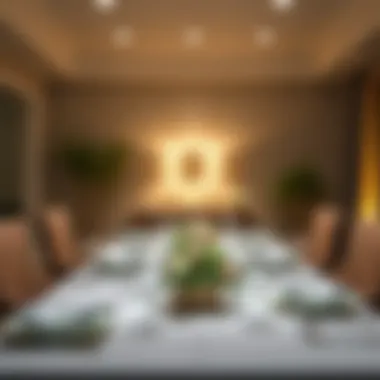
One unique feature of table size considerations is the adaptability aspect. A round table might work better for smaller gatherings, while a rectangular table often suits larger gatherings well. Its versatility can be both an advantage and a disadvantage. A larger table may feel less welcoming at a dinner for four, yet presents ample space for future expansions. Achieving balance is the name of the game.
Optimizing Space for Comfort
When setting the table, optimizing space isn't just about the dimensions; it's also about how you arrange each element to ensure that diners have enough breathing room. Proper placement of chairs and accessibility to dishes adds to comfort during the meal. Remember that the goal here is to facilitate easy interaction, meaning nothing should be so far away that reaching for it feels like an Olympic effort.
A key characteristic for optimizing space is the strategic distribution of the tableware. By placing dishes and cutlery within an arm’s reach, you reduce the likelihood of awkward stretches and accidental spills. A simple guideline might be to position the largest items in the center, like serving platters or bowls, while keeping personal dining items closer to each guest.
The unique benefit of optimizing space for comfort lies in enhancing the overall meal enjoyment—good food deserves an equally good setting. However, over-optimizing by trying to fit too much onto a table could leave a cluttered impression, making the charm of the meal diminish. Thus, the balance between spacing and arrangement is delicate but vital.
Durability and Maintenance
Choosing Easy-to-Clean Materials
Selecting materials that make maintaining the table set a walk in the park can save time and prevent any headaches down the road. This choice directly impacts how often you may find yourself scrubbing stains away or wiping down the surface to keep it inviting. Think practical here: opt for durable materials like melamine or tempered glass, which can withstand the wear and tear of meals while being easy to wipe down.
The beauty of choosing easy-to-clean materials is that they do not just save you time; they also keep the aesthetics of your table in top condition. Stains become less of a worry when the material itself does a good job of resisting spills and offers a longer lifespan. However, using lighter materials might not always provide the same level of durability, which could lead to more frequent replacements or unwanted stress during meals.
Seasonal Storage Tips
When the occasion's over, knowing how to store your tableware is also key to longevity. Seasonal storage involves not only putting items away when they’re not in use but also making sure they’re handled with care. Whether it’s bubble wrap for breakables or breathable cloth for textiles, using the right storage methods adds years to the life of your set.
A beneficial aspect of seasonal storage is the ability to rotate your table decor to reflect various occasions or seasons—think festive patterns for holidays or muted tones for everyday meals. Each rotation keeps the dining experience fresh and exciting for everyone involved.
One disadvantage of seasonal storage lies in the potential for disorganization. If not managed well, the process can become overwhelming, leading to a collection of items that are difficult to locate. Keeping a simple inventory or dedicating specific containers for each category can help mitigate this issue.
Remember, a well-set table reflects not just your taste but also your respect for the meal and those sharing it.
Cultural Variations in Table Settings
The way a table is set can tell a story that transcends the mere arrangement of plates and utensils. When it comes to cultural variations in table settings, there lies an intricate dance between tradition and personal taste. Understanding these differences not only enhances the dining experience but also offers a deeper appreciation for the diversity that exists across the globe.
Adapting to various cultures allows you, as a host, to honor the traditions of your guests, fostering a sense of belonging and warmth. Whether it is the formality of a Western dinner, the family-style sharing often seen in Asian cultures, or the vibrant spreads typical of Middle Eastern hospitality, each setting serves a specific purpose while reflecting cultural narratives.
Comparative Study of Cultures
Western Traditions
In Western settings, one of the most noticeable aspects is the emphasis on individual place settings. It’s like a silent code – each guest gets their own dedicated space, which underlines the principles of personal space and individuality. The use of ceramic dishes and polished flatware helps to create a sense of formality and elegance.
A key characteristic of Western traditions is the sequence of courses, often ranging from appetizers to desserts, each demanding its own plate or bowl. This has the benefit of showcasing culinary artistry while allowing for varied tastes to be satisfied. However, it can also add complexity, requiring thoughtful planning in both space and presentation.
Asian Dining Customs
With a focus on community and sharing, Asian dining customs create an entirely different atmosphere. Plates are often placed at the center of the table, fostering interaction among diners as they serve themselves. This communal aspect encourages a sense of togetherness, making meals feel less like a formal affair and more like a familial gathering.
A defining feature of these settings is the use of chopsticks alongside rice bowls, highlighting the significance of specific utensils in conveying respect for the meal. While this creates delightful engagement, it can also pose challenges for those unfamiliar with chopstick etiquette.
Middle Eastern Influences
Middle Eastern table settings are known for their rich colors and lavish arrangements, often featuring large platters brimming with food. This reflects a cultural emphasis on hospitality, where sharing meals is foundational to social interactions.
The use of spices and aromatic dishes integrates seamlessly into the dining experience, giving an olfactory identity to the meal. The downside lies in the required space and careful balancing of flavors, which can complicate both preparation and presentation.
Adapting Settings to Various Occasions
When it comes to hosting, understanding how to adjust your table setting for different occasions becomes vital. Each gathering has its own spirit and a well-set table can elevate the experience significantly.
Celebratory Gatherings
Celebratory gatherings often require a more elaborate setup to reflect the joy of the occasion. Using additional decorative elements, like festive centerpieces or themed tableware, can enhance the mood. For instance, shimmering linens or vibrant color palettes resonate with the essence of celebration. However, the challenge remains in maintaining practicality amidst the embellishments; too much decoration can overwhelm both the table space and the guests’ comfort.
Casual Family Meals
In contrast, casual family meals emphasize comfort and familiarity. The layout typically involves fewer formalities, encouraging a laid-back atmosphere where conversation flows freely. Key characteristics include simple dinnerware and easy-to-reach serving platters.
While this approach makes for a relaxed environment, it may lack the visual appeal of more formal settings. However, it nurtures connections and emphasizes the shared experience of dining, reminding us that the essence of a meal often lies in the company rather than the display.
"Every culture possesses its unique rituals surrounding food and dining - these rituals serve as hooks connecting us to our heritage and to one another."
Final Thoughts on Table Settings
In the context of dining, applying the knowledge from this article extends into the realms of culture, art, and individuality. The way a table is set can transform a simple meal into an experience that resonates deeply with the participants. It's not merely about placing pieces of ceramic and glass in chosen spots; it's crafting an environment that fosters connection, conversation, and enjoyment. The meticulous attention to detail in table settings enhances both the aesthetic appeal and the practicality of dining, marrying beauty with purpose.
The Integration of Personal Style
Integrating personal style into table settings is where creativity blooms. This involves reflecting one's tastes, preferences, and cultural backgrounds in the arrangement of utensils, plates, and decor. An individual who adores minimalism may opt for simple white dishes paired with a sleek centerpiece, allowing negative space to breathe life into the table. In contrast, someone with a flair for the extravagant might prefer vivid colors and patterned china, creating a feast for the eyes even before the food hits the plates.
In whichever style one leans toward, it’s essential to remember that these choices should feel authentic. Incorporating family heirlooms, such as a vintage tablecloth or candlesticks passed down through generations, not only adds character but also tells a story about who you are as a host. The warmth of these personal touches creates a welcoming atmosphere, where guests feel appreciated and valued.
"A table set with intention can speak louder than words."
Reflecting on Functionality and Aesthetics
When it comes to table settings, achieving a balance between functionality and aesthetics is paramount. Elegance is often desired, yet practicality should never be underestimated. A beautifully set table may dazzle the eye, but if it hinders easy dining or leads to chaos, then its purpose is defeated. Hence, every piece should not only serve a visual function but also a practical one.
Choosing the right materials also plays a critical role in this balance. Opting for durable dinnerware that can withstand the rigors of use while still looking chic is crucial. For instance, melamine can mimic the look of ceramic but is far more resilient, making it suitable for both indoor and outdoor settings. Moreover, the arrangement should facilitate ease of access to dishes and utensils, maintaining the flow of the meal without awkward movements or discomfort.
By intertwining aesthetics with functionality, hosts can create a dining experience that is not only beautiful but also comfortable and inviting. This harmonious blend ensures that the focus remains on what truly matters—enjoying great food and company.