
The Art of the Carafe Glass Bottle in Modern Decor

Intro
In the realm of home decor, the carafe glass bottle stands as more than just a vessel; it's a testament to sophistication and style. Whether adorning a dining table or gracing a shelf, its presence transforms ordinary settings into something breathtaking. Understanding the multifaceted nature of this piece allows homeowners to appreciate its historical roots and modern significance.
The journey of the carafe glass bottle spans centuries, reflecting changes in aesthetic preferences, technological advancements, and shifts in social customs. Delving into this evolution provides rich insight into how design elements and functionality have adapted to meet the needs of different eras. As we navigate through its various applications—from serving wine with elegance to serving as a decorative statement piece—one can see how it has cemented its place in modern homes.
Furniture Trends
Current Styles and Influences
The intersection of style and function is critical in today’s design landscape. Current trends highlight a penchant for minimalism, where the carafe glass bottle often embodies clean lines and simple elegance. Matte finishes, geometric shapes, and textured designs are becoming increasingly popular, presenting homeowners with a plethora of choices.
It's crucial to note, however, that trends are not merely about aesthetics. Influences from various cultures often find their way into the carafe design. For instance, Mediterranean influences tend to showcase curves and organic forms, while Scandinavian designs lean toward symmetrical and utilitarian shapes. This blend of functionality and artistry can be observed in contemporary interpretations of the carafe.
Seasonal Trends and Color Palettes
As seasons shift, so too do the colors and styles that resonate within home decor. A carafe glass bottle can serve as a focal point for seasonal themes. For instance:
- Spring/Summer: Lighter, pastel hues or clear glass allow for a radiant look, complementing fresh blooms and outdoor gatherings.
- Fall/Winter: Deeper tones like emerald or textured glass can evoke warmth, making them perfect for cozy, intimate dinner settings.
These seasonal trends not only enhance the aesthetic appeal but also reflect individual style sensibilities, encouraging homeowners to select pieces that speak to their tastes while remaining functional.
Buying Guides
Choosing the Right Carafe
When it comes to selecting the ideal carafe glass bottle, several factors should be taken into consideration to ensure it harmonizes with both function and form in your space:
- Size and Capacity: Determine how much liquid you typically serve; a larger carafe may be more suitable for gatherings.
- Design Aesthetic: Consider whether you want a modern, minimalist design or something more ornate and traditional.
- Purpose and Use: Think about whether it will primarily serve wines or be used for other beverages, as certain shapes are better suited for specific drinks.
Evaluating Quality and Durability
Not all glass carafes are created equal. It's essential to assess their quality and durability before making a purchase:
- Material Quality: Look for borosilicate glass or lead-free crystal, both of which offer strength and clarity.
- Craftsmanship: Pay attention to seams, finishes, and any decorative elements that can influence longevity.
- Functionality: Ensure that the carafe is easy to clean and store, as these aspects will influence your overall satisfaction.
"A beautifully crafted carafe is not just about serving; it’s about creating a moment, an experience that brings people together."
For further reading on home decor trends and sustainable choices in design, consider visiting Wikipedia or checking out Britannica for additional resources.
Preamble to Carafe Glass Bottles
The carafe glass bottle is more than just a container; it represents an intersection of functionality and artistry. In today's fast-paced world, where aesthetics and pragmatism often clash, the carafe stands out as a vessel that beautifully marries both. This article will journey through the intricacies of carafe glass bottles, exploring their definition, purpose, cultural significance, historical origins, and much more.
Understanding the carafe is essential for anyone involved in home design, beverage service, or simply those who appreciate well-crafted glassware. These bottles are not merely utensils for serving liquids; they embody styles, convey messages, and even anchor conversations.
Definition and Purpose
At its core, a carafe is a container used for serving liquid, primarily wine or water. However, the term extends to any glass bottle that enhances the experience of drinking. For instance, a wine carafe allows wine to breathe, enhancing its flavor and aroma. Its design typically features a wider base that gradually narrows at the top, promoting aeration. In contrast, water carafes often boast a more straightforward design, focusing on elegance and simplicity while offering easy pouring capabilities.
The purpose of a carafe transcends mere practicality; it elevates everyday moments into celebrations. Whether it's a dinner party or a casual gathering, presenting beverages in a stylish carafe introduces an element of sophistication, showing attention to detail.
Cultural Significance
Carafes have been an integral part of various cultures throughout history. In many European countries, for example, they symbolize hospitality and the art of entertaining. Families often pass down treasured carafes, turning them into heirlooms that tell stories across generations.
"A well-set table, complete with a beautiful carafe, transforms a meal into an event."
Across the globe, different cultures have their unique styles and materials for carafes. In Middle Eastern traditions, carafes known as decanters often serve not just a functional purpose but are artistic expressions tied to their history. In Japan, sake carafes, or tokkuri, highlight the nation’s approach to drinking culture—an intricate balance of formality and creativity.
In addition to aesthetics, these bottles often serve a social function. They encourage sharing and conversation, lending an air of camaraderie. When you pour from a carafe, you invite others into the experience, breaking the ice and fostering connections. This is part of what gives carafes their ongoing relevance in modern decor and social gatherings.
In future sections of this article, we will discuss the historical context surrounding carafes, delve into the types available today, and explore how to choose the perfect one for your home. Through this exploration, readers will gain a nuanced understanding of carafe glass bottles, transforming their utility into art.
Historical Context of Carafes
Understanding the historical context of carafes offers a wealth of insights into their significance beyond mere functionality. These elegant vessels have served as both practical tools and cultural artifacts, deeply ingrained in the tapestry of social practices and rituals. In this examination, we will explore the origins of carafes, their evolution over centuries, and how these factors contribute to their continued relevance in modern homes and restaurants.
Origins and Evolution
The history of carafes can be traced back to ancient civilizations, where they were often made from clay, metal, or glass, depending on the region. In ancient Egypt, carafes were crafted to store water and wine, reflecting the importance of these liquids in daily life and religious rites. The word "carafe" derives from the French term which signifies "jug," but its first known designs were often more utilitarian.
Over the centuries, glassmaking techniques evolved remarkably. By the time we reached the Renaissance, carafes took on a more sophisticated form. Italian artisans began creating crystal decanters, integrating artistry and function, and turning them into coveted status symbols. Notably, Venetian glassmakers played a pivotal role in refining carafe designs, emphasizing elegance and exquisite craftsmanship. As they became popular among the nobility, carafes began to signify not just the contents they held but also the decorum of the dining experience itself.
Carafes Through the Ages
Throughout the ages, the design and purpose of carafes have shifted, often mirroring societal changes. In the 18th and 19th centuries, during the Age of Enlightenment, carafes were frequently associated with higher social classes and gatherings. They became artistic statements in themselves, often embellished with engravings and intricate designs.
- Key Features of Historical Carafes:
- Material Choices: Transitioned from clay to glass and crystal, portraying a milestone in artistry.
- Adaptation of Styles: The Victorian era introduced ornate styling, with cut glass designs becoming fashionable.
- Cultural Depictions: In literature and art, carafes often symbolize hospitality and elegance, featuring prominently in table settings.
"Carafes are not just vessels for pouring; they are storytellers of culture, craft, and civilization."
As we moved into the 20th century, a more minimalist approach emerged. Modern designs tend to favor clean lines and functionality without sacrificing aesthetics. The rise of the mid-century modern movement showcased carafes that were both simple and chic, designed to complement contemporary dining experiences.
In essence, the historical context of carafes encapsulates more than their uses; it unveils a journey of artistic evolution, cultural significance, and social structure. Understanding this trajectory enables homeowners and designers to appreciate their selection of carafes, imbibing their surroundings with a rich sense of history and purpose.
Types of Carafe Glass Bottles
Understanding the variety of carafe glass bottles available can significantly enhance their effective utilization in both functional and aesthetic contexts. This diversity not only caters to different tastes and preferences but also serves various purposes in home settings. A closer examination of design variations and materials reveals how these choices align with personal style, practicality, and even sustainability.
Design Variations
Traditional Carafes
Traditional carafes are often characterized by their timeless silhouettes and classic styles, representing centuries of craftsmanship. They generally feature elegant curves and sometimes intricate detailing, which contributes to their appeal as both functional containers and decorative items. One key characteristic of traditional carafes is their often hand-blown glass construction, showcasing artisanal techniques passed down through generations. This craftsmanship adds a sense of history and authenticity, making them a popular choice among collectors and homeowners alike.
The unique feature of traditional carafes is their ability to aerate wine effectively, enhancing the flavors while serving. However, while they are aesthetically pleasing, they can be delicate. Care must be taken to avoid chips and cracks in the glass, reminding users to perhaps reserve these for special occasions.
Modern Designs
Modern carafes often embrace minimalist aesthetics and sleek lines, focusing on functionality while maintaining visual appeal. The beauty of modern designs lies in their versatility; they may incorporate innovative elements, such as multi-functional lids or geometric shapes, that cater to contemporary home styles. The clean, sophisticated look of modern carafes makes them a beneficial addition to any table setting, seamlessly fitting with current decor trends.
A unique feature of modern designs is their potential for practical uses beyond simple beverage serving. For instance, some carafes come with built-in chillers, making them perfect for summer gatherings. On the downside, while they tend to prioritize form over function, some users note that they may lack the warmth that more traditional options offer.
Artistic Expressions
Artistic expression in carafe design can take many forms, often highlighting the individuality of the creator. These carafes can be meticulously crafted with hand-painted designs, unique textures, or even mixed media elements, turning each piece into a statement work of art. The key characteristic of artistic carafes is their ability to captivate attention, serving not just as functional vessels but as conversation starters.
One notable advantage of these artistic carafes is their ability to bring personal style to the forefront of home decor, allowing owners to showcase their tastes or even support local artisans. However, such uniqueness comes at a price—these special pieces can be more expensive and may require additional care to preserve their intricate designs.
Materials and Their Impact
The materials used in carafe production can greatly influence their functionality and durability. Understanding the pros and cons of different materials informs better purchasing decisions for both aesthetic and practical needs.
Glass vs. Crystal
When weighing the options of glass versus crystal, it's important to recognize the distinct attributes each brings to the table. Glass carafes are generally more affordable and sturdier, making them suitable for everyday use. Their clarity and simplicity allow for a focus on the liquid inside, making them ideal for serving both water and wines.
On the other hand, crystal carafes offer a more luxurious feel, often featuring more intricate designs and refraction qualities that enhance the visual appeal of beverages. However, crystal can be more fragile, demanding careful handling.
A drink served from a crystal carafe may feel a bit special due to the material's elegance, but users must weigh this against the need for extra caution when handling.
Eco-friendly Options
In light of ongoing environmental concerns, eco-friendly carafe options have gained traction. Many manufacturers are now producing bottles using recycled glass or sustainable materials, aligning with the growing emphasis on greener living practices. This not only contributes positively to the environment but also caters to an audience that values sustainability in their purchases.
These eco-friendly options can serve well as beneficial choices for environmentally conscious consumers, with unique features such as lightweight designs and stylish aesthetics that do not compromise on elegance. However, some may find the variety in designs limited compared to traditional glass or crystal, which could affect personal preference when choosing a carafe.
Functional Uses of Carafes
Carafes serve more than just a utilitarian purpose; they elevate the dining experience and grace our living spaces with elegance. This section dives deep into the functional uses of carafes, underscoring the ways they enhance not only taste but also aesthetics in both formal and casual settings.
Serving Beverages
Wine Presentation
When you think about wine presentation, the image of a beautifully poured glass often comes to mind. That’s where the role of a carafe becomes paramount. A well-selected carafe, like the Riedel Overture, allows for aeration, unlocking the wine's full potential. Pouring wine from a bottle directly can lead to sediment transfer, but with a carafe, this risk diminishes significantly.
The key characteristic of a carafe for wine is its shape. Many are designed with a wide base to encourage air exposure. This is a beneficial choice for wine aficionados.
A unique feature of wine carafes is the spout design, which enhances pouring ease, allowing users to fill a glass without spills. This intuitive design delights the user with a seamless service experience, thus becoming a source of pride at gatherings. However, one downside could be their fragility; intense activity can lead to accidental breakages, so a careful approach is advised during service.
Water and Beverages
In contrast to the formal aspects of wine, carafes also bring elegance to simpler beverages. Whether it's water, iced tea, or homemade lemonade, using a carafe serves not only function but also visual appeal. The simplicity in using a carafe for everyday beverages signals a conscious decision to elevate even the humblest of drinks.
One key characteristic of this use is the ability to keep beverages chilled. Many carafes now come with features like double-walled glass that can keep water cool for longer, making it a wise choice for a hot summer day.
A unique advantage of using a carafe for these types of drinks is the opportunity to showcase your personal style. With various designs, from minimalist glass to vibrant ceramic, a carafe can indeed become a conversation starter at the dining table. Yet, it’s important to consider that while carafes can add charm, they might require more cleaning than regular beverage containers.
Decoration and Centerpieces
Beyond utility, carafes carry potential as striking decorative elements. Picture a well-place carafe filled with fresh flowers or decorative branches. This multi-functional object transforms into a centerpiece that draws the eye and compliments other design elements in your home.
Carafes continually invite creativity into home decor, allowing individuals to express personal style without uttering a word. When placed artistically, they contribute not only as a functional item but also as a key player in the visual narrative of a room.
Using carafes as decoration can also inspire conversations about design styles. When you choose unique shapes or colors, it can lead to discussions on craftsmanship and personal tastes, making your decor feel all the more intimate.
In summary, functional uses of carafes embody both sophistication and creativity, whether in serving beverages or enhancing home decor. They are dual-purpose items that seamlessly blend practicality with artistic expression.
Choosing the Right Carafe for Your Home
Selecting the right carafe glass bottle for your home is no small feat. With a plethora of options available, it's crucial to make a choice that not only suits functional needs but also aligns with your aesthetic. A well-chosen carafe can serve as a conversation starter, elevate your serving style, and complement your interior decor. In essence, the right carafe is more than a functional vessel; it's a piece that adds charm and grace to your living space.
Factors to Consider
Size and Volume
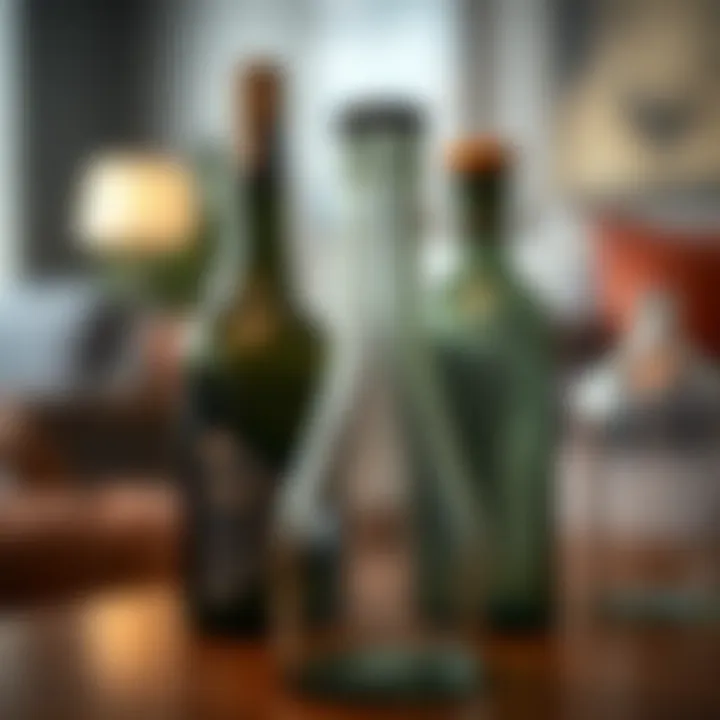
When it comes to size and volume, the importance of choosing a carafe that fits your needs cannot be overstated. This aspect greatly affects how you use it, whether for hosting gatherings or daily use. A larger carafe is beneficial when entertaining guests, allowing you to serve multiple glasses of wine or water without constant refilling. Conversely, a smaller carafe can be ideal for intimate settings or limited counter space, providing just enough for a cozy dinner.
A distinctive feature of size and volume is how it affects the aesthetic balance on your table. A grand, large carafe can make a bold statement, while a smaller one can deliver charm without overwhelming the space. You'll find that balancing size with your decor style goes a long way in achieving an elegant look. However, a downside might be storage—larger carafes can be cumbersome to store when not in use.
Style Compatibility
Compatibility with existing home decor is essential when selecting a carafe glass bottle. The style of your carafe not only reflects your personal taste but also harmonizes with the overall design of your home. Whether you lean towards traditional, modern, or eclectic styles, there's a carafe that can fit right in.
One key aspect of style compatibility is the materials and design intricacies of the carafe. A clear glass carafe captures light and can showcase the beverage it holds, while a colored or patterned carafe can serve as a striking focal point. But, not every style will mesh well; consider existing colors and textures in your home to avoid clashing.
The significance here lies in how a well-matched carafe can enhance the aesthetic appeal of your space. It's not just about serving drinks; it's also about integrating art into your environment. However, choosing a style that might not blend well can potentially create an off-kilter look, so think it through before you buy.
Where to Purchase
Online Retailers
Shopping for a carafe online comes with its own set of perks. There's a vast selection at your fingertips—brands from around the world to choose from in just a few clicks. This convenience allows you to compare styles, read reviews, and check prices without leaving your couch.
A standout feature of online retailers is the ability to find unique designs that may not be available locally. You'll also often benefit from competitive pricing and offers, which can be an advantage for budget-conscious shoppers. However, a challenge with online purchasing is the inability to physically inspect the product before buying, making it essential to trust reputable sellers and read customer reviews diligently.
Local Artisans
On the other hand, purchasing from local artisans can infuse a personal touch into your carafe selection process. Supporting local craftspeople not only helps the community but often provides access to unique, handcrafted items that convey a bespoke quality. You might even get the chance to hear the story behind each piece, enhancing its value in your home.
A notable characteristic of local artisans is the craftsmanship they bring to the table. Each carafe could potentially be one-of-a-kind, combining artistic flair with function. However, availability might be limited compared to larger retailers, and prices could be higher due to the time and skill involved in production, which could be a point to ponder when considering your budget.
Choosing the right carafe is an investment that transcends mere utility—it's about enhancing your lifestyle.
In the end, whether you're looking online or seeking out the charm of local artisans, making an informed decision based on size, style, and purchasing sources will ensure that your carafe glass bottle is a delightful addition to your home.
Maintaining Your Carafe Glass Bottle
Proper maintenance of your carafe glass bottle is paramount for ensuring its longevity and aesthetic appeal. A well-cared-for carafe can serve not only as a functional item for serving beverages but also as an elegant decorative piece in your home. Without the right care, however, a carafe can quickly lose its charm, becoming clouded or damaged, rendering it less pleasing—both to the eye and to the table.
Understanding the importance of carafe maintenance means recognizing the value of both the materials used and the experiences you wish to curate around them. By taking a thoughtful approach to cleaning and safeguarding your carafe, you elevate not just the object itself but also the environment it complements.
Cleaning Techniques
When it comes to cleaning a carafe, the methods you use can significantly influence the final appearance. Here are some effective techniques:
- Warm Soapy Water: Start by rinsing the carafe with lukewarm water. Then fill it with warm water and a few drops of mild dish soap. Allow it to soak for about 15 minutes. Use a soft sponge to gently scrub the inner surfaces, being careful not to scratch or damage the glass.
- Baking Soda Scrub: For tougher stains, create a paste of baking soda and water. Apply this paste to the stained areas, allowing it to sit for a few minutes before scrubbing with a soft cloth or sponge. Rinse thoroughly with water.
- Vinegar Rinse: If you notice water spots or mineral buildup, fill your carafe with equal parts vinegar and water. Let it sit for an hour and then rinse well. The acidity in vinegar helps dissolve residues without harsh scrubbing.
- Avoid the Dishwasher: Most glass carafes are not dishwasher safe. The high temperatures and shifting environment inside the dishwasher can lead to cracks or fractures. Handwashing is always recommended.
It's essential to emphasize that using harsh chemicals or abrasive materials during cleaning can lead to scratches and cloudiness. Thus, sticking to gentle, natural methods often yields the best results while preserving the carafe’s beauty.
"Maintaining your carafe doesn’t just prolong its life; it showcases respect for the aesthetics it brings to your home."
Avoiding Damage
To keep your carafe looking pristine, one must consider several factors that could lead to potential damage. Here are proactive measures to protect your carafe:
- Store Carefully: When not in use, ensure that your carafe is stored upright in a padded or cushioned space. Avoid stacking heavy items on top, which could lead to chips or breaks.
- Use Proper Utensils: When pouring, always use a gentle hand, and avoid using metallic utensils that can scratch the glass surface. Opt for wooden or silicone tongs if you are placing garnishes or other items inside the carafe.
- Temperature Extremes: Carafes made from glass are sensitive to drastic temperature changes. Avoid pouring hot liquids directly from the stove into a room temperature carafe. Instead, let the liquid cool slightly before transferring.
- Regular Inspections: Make it a habit to routinely inspect your carafe for any signs of wear and tear. Notice scratches or cloudiness? Address issues quickly to prevent further deterioration.
Sustainability in Carafe Production
Sustainability has become an increasingly pressing topic across industries, and carafe production is no exception. As consumers become more environmentally conscious, the demand for sustainable products has surged. This section delves into the core aspects of sustainability in carafe glass bottle production, touching on various important elements, benefits, and considerations that define this trend.
The manufacturing of carafes, like many glass items, significantly impacts the environment. Traditional methods often involve energy-intensive processes that contribute to carbon emissions and excessive resource depletion. However, as sustainability takes center stage, manufacturers are re-evaluating their approaches. Eco-conscious production not only minimizes environmental harm but also caters to a growing market segment that prioritizes sustainability in their purchasing choices.
Key Elements of Sustainable Carafe Production:
- Material Selection: Eco-friendly materials are a hallmark of sustainable products. Many modern carafe manufacturers are opting for recycled glass or glass made from sustainable sources. This reduces the need for raw materials and contributes to lowering energy use during production.
- Energy Efficiency: Innovative technologies in production processes allow for reduced energy consumption. Manufacturers are investing in machinery that minimizes waste and optimizes energy use, making a significant difference in their overall carbon footprint.
- Ethical Labor Practices: Sustainability extends beyond environmental responsibility. More companies are ensuring that their manufacturing processes follow ethical labor practices, creating fair working conditions for all involved in production.
Benefits of Sustainable Practices:
- Positive Brand Image: Companies focusing on sustainability often attract a loyal customer base looking for brands that align with their values. This can translate to higher sales.
- Market Differentiation: Offering sustainable carafes positions a business favorably in a competitive landscape. A unique selling proposition based on eco-consciousness can be appealing to discerning consumers.
- Long-term Viability: By prioritizing sustainable practices, manufacturers can help secure the future of their operations, aligning with global efforts toward a greener economy.
"The shift towards sustainability in carafe production not only aids the environment but also empowers consumers to make choices they can feel good about."
Eco-conscious Manufacturers
In the world of carafe production, eco-conscious manufacturers are paving the way towards a greener future. These companies understand the impact of their operations and are implementing various practices aimed at sustainability.
- Innovation in Design: Many manufacturers are designing carafes with a focus on reusability and longevity. This approach reduces waste and encourages consumers to choose products that can stand the test of time.
- Collaboration with NGOs: Several companies are engaging with environmental non-profits to enhance their sustainability efforts. Such partnerships can lead to better resource management and community awareness about sustainable practices.
- Local Sourcing: Opting for local raw materials can significantly cut down transportation emissions—an often-overlooked aspect of sustainability. By sourcing locally, manufacturers not only engage the community but also reduce their carbon footprint.
Recycling Glass Bottles
Recycling plays a crucial role in the sustainability of carafe glass bottles. Glass is forever recyclable without losing its integrity. This quality makes it an ideal material for sustainable design.
- Benefits of Recycling Glass:
- How Recycling Works: When glass bottles are collected for recycling, they’re sorted, cleaned, and crushed. The crushed glass, known as cullet, is melting again to create new glass products, including carafes. This closed-loop system amplifies the importance of recycling in reducing environmental impact.
- Energy Conservation: Using recycled glass in production often requires less energy compared to producing new glass from raw materials.
- Waste Reduction: By recycling, we keep glass out of landfills and reduce the demand for new materials.
- Community Programs: Many regions have implemented glass recycling programs that encourage individuals to return their glass bottles. These programs often involve community engagement, further promoting eco-friendly practices.
In summary, sustainability in carafe glass bottle production is a multi-faceted issue that encompasses ethical manufacturing, innovative design, and effective recycling practices, all aimed at reducing environmental harm and promoting a circular economy.
Trends in Carafe Design
The world of carafe design is at a fascinating crossroads, where traditional craftsmanship meets contemporary aesthetics. As the preferences of consumers evolve, so do the styles and functionalities of carafes, reflecting broader trends in home decor and lifestyle choices. Today, choosing a carafe means more than just a vessel for pouring wine or water; it’s an opportunity to intertwine personal expression with functional elegance.
Emerging Styles
Carafes are no longer limited to classic silhouettes; they now mirror diverse styles influenced by global cultures and modern trends. Here are a few noteworthy styles to consider:
- Minimalistic Designs: Simple yet elegant, this trend focuses on clean lines and functionality. A sleek glass carafe devoid of ornate embellishments can embody sophistication while maintaining practicality in everyday use.
- Organic Shapes: Inspired by nature, these carafes adopt fluid curves that create a sense of movement. They are often crafted to mimic forms found in the environment, presenting an organic sophistication that can soften any table setting.
- Color and Texture: Increasingly, designers are experimenting with both color and texture in glass carafes. Shades like smoky grey or sea green add a contemporary twist, while textured finishes can provide a tactile experience that elevates the overall aesthetic.
- Cultural Inspirations: Incorporating design elements from various cultures is another captivating trend. For instance, Moroccan or Japanese influences may be observed in intricate patterns or unique shapes that not only serve a function but also tell a story.
In any decor scenario, these emerging styles cater to varied tastes, ensuring that everyone can find a carafe that speaks to them.
Incorporating Technology
As we stride deeper into the digital age, the integration of technology within carafe design seems inevitable. This incorporation isn’t merely about aesthetics; it focuses on enhancing functionality and user experience. Here’s how technology is playing a role in the evolution of carafes:
- Smart Features: Some brands are now introducing carafes equipped with sensors that can monitor the temperature of the liquid inside. This adds an extra layer of sophistication, particularly for wine enthusiasts who want to serve their favorite vintages at the ideal temperature.
- Self-Cleaning Innovations: A notable advancement includes carafes that utilize UV light for self-cleaning. This ensures cleanliness while eliminating the manual labor usually associated with maintaining glassware, thus appealing to a busy populace.
- Interactive Designs: Beyond functionality, interactive designs are coming into play. There are carafes that can connect to apps, providing users with information about the drink being served, such as tasting notes or pairing suggestions.
Embracing these technological advancements indicates a shift towards a more integrated lifestyle where functionality and convenience coexist with artistry, making carafes not just useful items but integral parts of a modern home.
"Design is not just what it looks like and feels like. Design is how it works." – Steve Jobs
With these trends in mind, designers and manufacturers are forging ahead, creating carafes that are not only visually striking but also remarkably functional, setting the stage for future developments in home decor.
Crafting Personalized Carafes
Creating a personalized carafe glass bottle is more than a fun crafting project—it's a way to infuse your unique style into your home, thereby enhancing the ambiance and conversation at your gatherings. Personalized carafes can serve as striking centerpieces that narrate your story, whether through colors, designs, or inscriptions. This section emphasizes the significance of embarking on this creative journey, including the benefits that come with a tailored approach to carafe design.
DIY Projects
DIY projects allow for a fun and engaging mentality when it comes to crafting personalized carafes. For the home enthusiast, a little creativity can truly elevate any glass bottle from mundane to memorable. One popular DIY approach is to use glass paint or etching techniques. Here’s how you can go about it:
- Gather Supplies: Purchase a plain glass carafe, glass paint (available at craft stores), brushes, stencils, and any additional decorative items like ribbons or beads.
- Clean the Glass: Ensure that the bottle surface is clean of any residues. A good rinse and wipe down with alcohol will do wonders.
- Design Your Look: Sketch your designs on paper first. Stencils may help visualize the project, especially for intricate patterns.
- Painting Process: Apply the paint carefully, allowing layers to dry in between.
- Final Touches: Once dry, apply a sealant for durability and shine. Adding a small ribbon around the neck or attaching a handwritten tag can further personalize the piece.
These projects not only provide tangible outcomes but also spark joy in the process of creation.
Customization Options
Customization can go beyond just painting. Here are some great ways to put your individual stamp on your carafe:
- Engraving: Consider getting your initials or a meaningful date engraved. This adds a touch of elegance and makes the carafe suitable for gifting.
- Color Choices: Choose colors that resonate with your home’s theme. A navy-and-gold carafe can really pop against a light background.
- Text and Quotes: Adding a personal quote or a fun toast imbues character, creating not just a functional item but a conversation starter.
"A personalized carafe becomes a guest’s favorite as it not only holds wine but tells a story."
- Incorporating Natural Elements: For a chic touch, think of including natural elements such as twine wrapped around the neck or flower embellishments that reflect the seasonal decor of your home.
Incorporating these elements ensures that your carafe aligns intricately with your lifestyle and aesthetic. Ultimately, crafting personalized carafes is not just about having another glass vessel; it’s about expressing your individuality and enhancing the enjoyment of life’s simple pleasures.
Influence of Culture on Carafe Design
The carafe glass bottle stands as a prime example of how culture deeply influences design and functionality. Within various societies, the carafe has morphed from a utilitarian object to a stunning statement of artistry and culture. Understanding these cultural dynamics adds layers to our appreciation of the carafe's role in modern home decor.
Global Perspectives
Around the world, different cultures imbue carafes with unique significance and styles. For instance, in European countries, carafes often reflect a rich tradition of winemaking. Countries like France and Italy showcase carafes that are as much about personality as they are about practicality. These carafes may feature ornate designs, capturing the essence of the vineyard they represent. The handle shapes, pour spouts, and even glass thickness vary, each telling a story of local artistry and pride.
On the other hand, Asian cultures present a contrast. In Japanese culture, for example, the carafe, or 'tokkuri,' is elegantly minimalistic. It is made of ceramic, emphasizing simplicity and often used for serving sake. The understated design complements the values of harmony and tranquility evident in Japanese aesthetics. Here, the carafe serves not just as a vessel but as a way to reflect a moment of mindfulness and appreciation for the beverage itself.
In African cultures, carafes can be adorned with bright colors and intricate patterns, expressing a vibrant cultural heritage. In settings like Morocco, handcrafted glass is often intricately designed, showcasing local craftsmanship. These pieces serve practical purposes during communal meals and symbolize hospitality and togetherness.
Regional Variations
While globalization has led to some uniformity in design, regional variations remain quite pronounced. In the Mediterranean, carafes are generally wider at the base and taper upwards, allowing for easy pouring and oxygenation of wines. This design is particularly favored in establishments where resident wine experts will curate selections. Conversely, Nordic designs lean towards functionality with more angular shapes, promoting simplicity and efficiency in use. These carafes still emphasize a clean aesthetic, reminiscent of Scandinavian minimalism.
Latin American cultures also influence carafe designs significantly. Brightly colored glass and whimsical forms reflect the lively spirit of the region. Often, these carafes play a central role during family gatherings, representing a blend of tradition and festivity.
In summary, the influence of culture on carafe design is evident in everything from material choices to shapes and patterns. As we explore these connections, we can better appreciate not only the craftsmanship involved but also the identity and narrative that each carafe embodies. By weaving in cultural significance, designers can create pieces that transcend mere functionality to become treasured artifacts in any home.
"A carafe is not just a vessel; it’s a cultural canvas that reflects our shared histories and diverse heritages."
Embracing these cultural influences when selecting or creating a carafe can significantly enhance both its aesthetic appeal and emotional value in home environments.
The Future of Carafe Glass Bottles
The carafe glass bottle, long associated with sophistication and elegance in serving beverages, stands on the brink of several exciting advancements. As trends shift, so too does the perception and functionality of this vessel. Understanding the future of carafe glass bottles is crucial—not just for collectors or enthusiasts, but also for interior designers, homeowners, decorators, architects, and retailers who seek to integrate this timeless piece into modern settings. The evolving preferences in aesthetics, sustainability, and technology play a pivotal role in shaping the future of carafes.
Innovative Trends
Innovation is the name of the game in today’s market. Gone are the days when carafes were simply functional items. They now embody artistry and creativity. Multiple trends are overshadowing traditional norms:
- Smart Technology Integration: Imagine carafes equipped with sensors that monitor the temperature of the liquid or even identify the beverage type. While this may seem a starry-eyed vision, prototypes are emerging from progressive design firms. By integrating smart technology, carafes can offer both aesthetic appeal and modern functionality.
- Sustainable Materials: With an increase in eco-conscious consumerism, many manufacturers are shifting from traditional glass to greener alternatives. Recycled glass and other sustainable materials are gaining traction. Not only do these choices minimize environmental impact, they also provide a unique aesthetic that showcases creativity.
- Minimalist and Multifunctional Designs: The minimalist trend is pushing for designs that are sleek and versatile. Carafes that double as decorative pieces or even storage containers are becoming popular among homeowners who appreciate dual functionality.
- Artistry in Glass: Unique shapes and colors are on the rise. Artisanal glassworks are experimenting with various techniques to create carafes that are stunning. These designs aren’t just for serving—these pieces can be the centerpiece of any dining experience.
"A carafe is no longer just a functional item; it reflects one’s personal style and commitment to aesthetics."
Market Predictions
The marketplace for carafe glass bottles is expected to expand significantly, driven by the evolving preferences of consumers and technological advancements. Several predictions paint a promising future for these elegant vessels:
- Growth in E-commerce Sales: With the rise of online shopping, the demand for unique and high-quality carafes is likely to boost e-commerce sales. Retailers are expected to adapt by offering customizable options to appeal to individual tastes.
- Increased Collaborations: Artisans and designers may collaborate more frequently, merging functionality with artistry. This could lead to limited-edition collections and exclusive designs, enticing collectors and novelty seekers alike.
- Global Market Expansion: As international designs and styles permeate local markets, we can anticipate an influx of diverse carafe designs sourced from various cultures. This will enrich consumer choices and encourage artistic experimentation.
- Sustainable Practices Becoming the Norm: Economic pressures and consumer preferences will likely steer carafe producers toward sustainable manufacturing processes. This positive shift could reshape production standards to favor eco-friendly practices.
In summary, the future of carafe glass bottles appears bright, marked by trends that prioritize both innovation and sustainability. The coming years may see this timeless piece of decor evolve into an even more significant element in contemporary settings, reflecting the tastes and values of a society that increasingly places emphasis on aesthetic charm and environmental responsibility.