
Understanding Tuffing Mattresses: Structure and Benefits

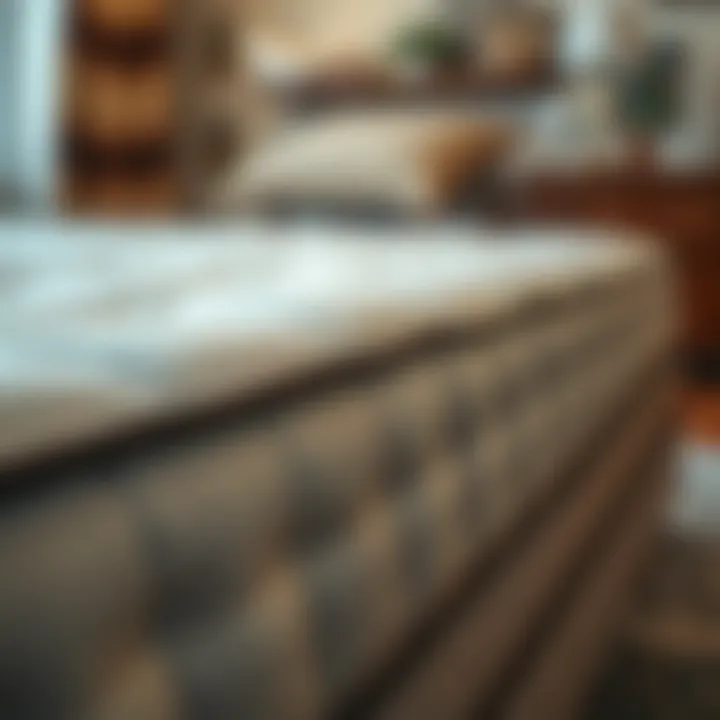
Intro
Tuffing mattresses have carved out a niche in the world of furniture design, blending both form and function into one seamless package. As we dive deeper into this sophisticated craft, it's essential to appreciate the unique processes of construction, material selection, and the aesthetic implications that come along with it. Tuffing involves a process where fabric is pulled tightly over a layer of padding, creating a visually appealing texture that is both inviting and supportive. This article aims to peel back the layers of tuffing mattresses, offering insights that cater to interior designers, homeowners, decorators, architects, and retailers alike.
In our exploration, we will unpack the latest trends in furniture design, offer guidance on selecting mattresses suited for various spaces, and outline the importance of quality materials. With mattresses playing a significant role in enhancing the overall sleeping experience, it’s vital to understand how tuffing contributes to that comfort.
As we move through the following sections, you will find a rich narrative that not only defines tuffing but also contextualizes its relevance in today’s market. So without further ado, let’s delve into the captivating world of tuffing mattresses.
Understanding Tuffing Mattresses
The concept of tuffing mattresses captivates both the eye and the spine, offering a blend of comfort, support, and aesthetic appeal. This classic method, once confined to the realms of luxury bedding, has resurfaced in modern furniture design, making it crucial for anyone interested in interior aesthetics or sleep quality. From interior designers to homeowners, understanding the nuances of tuffing can enhance not only the visual aspects of living spaces but also redefine personal comfort in the sacred act of rest.
Definition and Origin
Tuffing, in straightforward terms, refers to a technique used in mattress and upholstery design. It consists of incorporating buttons or similar elements that create a series of indentations across the fabric. This process not only secures the filling materials but also enhances the overall design through its three-dimensional appearance. The origins of tuffing date back to when artisans first began experimenting with fabric stretches and fillings, aiming to produce plush and durable furnishings. It can be traced back to the 18th century, a time when wealthy families sought comfort and opulence in furnishings. European tradition laid the groundwork, yet today, variations of tuffing can be found across the globe, adapting to fit the cultural preferences and technological advancements in mattress production.
The Evolution of Mattress Design
As times changed, so did the designs of mattresses. From simple cloth-covered straw to sophisticated foam and hybrid models, the journey of mattress evolution reflects technological advances alongside consumer preferences. Tuffing has played a pivotal role in this transformation.
In the early 20th century, the introduction of modern materials, like synthetic foams, changed the game for mattress makers. The incorporation of tuffing techniques began to merge with high-density memory foam and gel options, creating mattresses that are not only visually appealing but also ergonomic. Here are some stages where tuffing influenced mattress designs:
- Traditional Handcrafted Mattresses: In these early designs, cotton or wool was often tufted tightly. The health of users was a hefty consideration, as tuffing provided uniform support while preventing material shifts over time.
- Post-War Innovations: Following World War II, the mattress industry blossomed. New technologies brought about innovations in tuffing methods, incorporating more resilient and adjustable materials.
- Modern-Day Customization: Today, the tuffing method has become a canvas for bespoke mattress designs, where homeowners can choose fabrics, colors, and even styles to suit their individual aesthetic needs. Some companies now offer customizable tuffing approaches through user-friendly online platforms, making it possible for anyone to design their dream mattress.
The blend of comfort and style created through tuffing has made it an enduring favorite among designers and consumers alike. While the fundamentals remain constant, the artistry around tuffing reflects broader changes in consumer preferences for both functionality and visual impact.
"Understanding the evolution of tuffing techniques provides a fuller picture of how our bedding choices impact not just sleep, but the spirit of our homes."
As we delve deeper into the construction techniques and materials that contribute to the effectiveness of tuffing mattresses, it's essential to appreciate how this tradition continues to shape our approach toward sleep and design.
Construction Techniques
Understanding the construction techniques of tuffing mattresses is central to comprehending how these products deliver both comfort and aesthetic charm. The construction not only influences the feel but also affects durability, maintenance, and the overall user experience. As the market for tuffing mattresses expands, recognizing the nuances of these techniques helps homeowners and interior designers make informed choices. Here, we will look at traditional tuffing methods and modern innovations, both key to grasping the full picture.
Traditional Tuffing Methods
Traditional tuffing methods have roots in history and craftsmanship. This technique involves stitching the fabric of the mattress to its inner padding material, creating a series of dimples, or “tufts.” These tufts can be both functional and decorative, holding the layers of filling securely in place.
- Hand-Stitching: This approach often employs heavy-duty threads and requires a skilled artisan. Each tuft is carefully executed, which can create a unique, artisanal look. The tactile experience can be different as well, with textures varying from one artisan to another.
- Button Tufts: Another common method is the use of buttons to secure the tufts. This adds an element of elegance, often seen in more luxurious designs.
- Quilting Patterns: Different quilting patterns are also part of the traditional approach. With various shapes and designs, this method caters more to aesthetic preferences while still serving the crucial role of maintaining structure.
Traditional methods not only deliver quality but also connect the product to its historical significance. The craftsmanship involved often ensures that each mattress is somewhat one-of-a-kind, appealing to those who appreciate artistry.
Modern Innovations in Tuffing
With the advancement of technology, tuffing practices have evolved, embracing modern innovations that enhance both performance and comfort. New techniques are developed to meet the demands of a fast-paced society, paving the way for more customizable and efficient products.
- Machine Tuffing: The use of machines to create tufts has made production faster and more consistent. This method can produce a large volume of mattresses while maintaining similar quality standards. It’s particularly beneficial for commercial manufacturers.
- Smart Materials: Contemporary tuffing mattresses often incorporate smart materials, such as gel-infused foams that adapt to body temperature and weight. Utilizing such materials can enhance the sleeping experience by regulating comfort levels better than traditional fillings.
- Eco-Conscious Practices: Another trend is the integration of sustainable practices. From organic cotton covers to recycled materials used in fillings, modern tuffing increasingly focuses on environmental impacts. Not just about comfort, these mattresses appeal to the eco-aware consumer.
In navigating the world of tuffing mattresses, awareness of construction techniques equips homeowners and designers with the wisdom needed to choose wisely. It’s the blend of tradition and innovation that makes tuffing an ongoing favorite in furniture design, continually shaping our spaces with comfort and character.
Materials Used in Tuffing Mattresses
The materials selected for tuffing mattresses play a pivotal role in determining not just comfort but also durability and aesthetics. This section delves into the nuances of the various materials, shedding light on how they affect the overall performance and appeal of these mattresses. With tuffing being an intricate method of securing the filling in place, the interplay between material types can lead to vastly different sleeping experiences. As homeowners and designers navigate the options available, an understanding of the materials involved becomes essential.
Natural vs. Synthetic Fabrics
When considering the outer layer of a tuffing mattress, the choice between natural and synthetic fabrics can greatly influence both touch and longevity. Natural fabrics like cotton and linen offer breathability, allowing air to circulate and enhancing thermal comfort. These fabrics are often perceived as more luxurious. Additionally, they tend to be more hypoallergenic, catering to individuals with sensitive skin.
On the other hand, synthetic fabrics such as polyester or nylon come with their own array of advantages. They are typically more resistant to stains and easier to clean, making them a practical choice for families and individuals who prioritize maintenance. However, some synthetic options might sacrifice breathability, which can lead to discomfort during sleeping if heat accumulates. Here’s a snapshot of the strengths each fabric brings to the table:
- Natural Fabrics
- Synthetic Fabrics
- Breathable and comfortable
- Hypoallergenic properties
- Sustainable options available
- Stain resistance and easy upkeep
- Cost-effective solutions
- Varied aesthetic options available
Foams and Their Role
Foams are a significant component in the construction of tuffing mattresses, influencing not just comfort but also support. Memory foam, for instance, conforms to the body's contours, offering personalized support that can alleviate stress points. This feature is especially beneficial for those with specific sleep-related ailments.
Furthermore, high-density foams are known for their resilience and durability. Unlike cheaper foams that might sag quickly, high-density options maintain their shape over time, leading to a longer lifespan of the mattress overall. The choice of foam type directly affects the firmness level, which is vital for accommodating various sleeping positions. Some primary foam types include:
- Memory Foam
- Latex Foam
- Polyurethane Foam
- Adapts to body shape
- Excellent pressure relief
- Naturally resilient
- Often more cooling than memory foam
- Budget-friendly option
- Varies in density and firmness
The Influence of Fillers on Comfort
Fillers in tuffing mattresses are essential not only for providing comfort but also for maintaining the mattress's shape. The choice of fillers can include natural elements like wool or down feathers, both of which bring exceptional softness and insulation. Wool, for example, is not only breathable but also wick moisture, enhancing overall sleep quality throughout the night.
Conversely, synthetic fillers like polyester fiberfill can offer cost-effective alternatives that are still plush and comfortable. They provide good loft and can be tailored to various price points without compromising too much on comfort. Additionally, the mixing of different types of fillers can lead to a balanced combination of softness, support, and breathability, which enhances the overall sleeping experience. A brief look at filler options includes:
- Natural Fillers
- Synthetic Fillers
- Wool: moisture-wicking and warm
- Down: luxurious softness
- Polyester fiberfill: cost-effective option
- Gel-infused options: temperature regulation
Overall, the choice of materials, fabric types, foams, and fillers can greatly affect the performance and comfort of tuffing mattresses. Understanding these elements allows both homeowners and designers to make informed decisions when selecting options that suit their preferences and needs.
Understanding the intricacies behind tuffing mattresses is not just academic; it translates directly into better choices for comfort, durability, and aesthetics. Armed with this knowledge, one can better appreciate the craftsmanship and design that goes into each mattress, ultimately leading to improved quality of life at home.
Benefits of Tuffing Mattresses


The relevance of tuffing mattresses emerges from their reputation for enhancing the overall sleeping experience as well as adding a touch of class to various types of furniture design. Enthusiasts of interior design and homeowners alike appreciate the intricate craftsmanship that tuffing represents. The specific advantages, which we will explore in detail, encompass three main areas: comfort and support, aesthetic appeal and customization, and durability and longevity. These elements work synergistically, establishing tuffing mattresses not just as a practical choice, but as an art form in their own right.
Enhanced Comfort and Support
One of the primary benefits of tuffing mattresses is their ability to provide unparalleled comfort and support. The tuffing process enables even distribution of materials, reducing pressure points during sleep. The padded areas created by tuffing allow for a conforming surface that cradles the body, which is particularly beneficial for those who might suffer from back pain or discomfort during the night.
- Pressure Relief: Tuffed areas promote a soft embrace, easing stress on joints and muscles.
- Supportive Layers: These mattresses often incorporate varied filler materials that yield different levels of firmness, ensuring broad options to suit individual preferences.
For example, a tuffing mattress comprised of natural latex and cotton can offer a plush, yet supportive feel, ideal for side sleepers, while firmer tuffing with memory foam caters to back sleepers, maintaining spinal alignment. Overall, tuffing enhances mattress performance, leading to a more restful and rejuvenating sleep experience.
Aesthetic Appeal and Customization
Tuffing presents unmatched opportunities for aesthetic flair, allowing both homeowners and designers to customize the look and feel of their furniture. The classic diamond or button tuffing can be tailored in an array of fabrics, colors, and patterns, making each piece unique. The visual aspect becomes a crucial element that blends style with function.
- Design Versatility: Tuffing can easily complement various décor styles—from classic to contemporary. Details like contrasting stitches or embellished buttons elevate a simple mattress into an accent piece.
- Personal Touch: Homeowners can select fabrics that reflect their personal tastes. Whether opting for luxurious velvet or soft linen, the choice of materials can define a space's overall vibe.
By integrating tuffing into furniture design, it becomes more than a utilitarian item; it turns into an expression of individuality, adding sophistication to living rooms, bedrooms, or even commercial spaces.
Durability and Longevity
Lastly, tuffing mattresses boast an extended lifespan thanks to their construction methods and high-quality materials. When well-maintained, these mattresses maintain their shape and integrity for years. The combination of sturdy tuffing techniques, along with materials that resist wear and tear, results in a product that's built to last.
"Quality tuffing not only enhances the comfort of a mattress but also contributes significantly to its durability, offering an investment that pays off over time."
- Resilience: Tuffed components, when properly constructed, do a splendid job of preventing sagging, unlike traditional tuftless mattresses.
- Cost-Effectiveness: Opting for a well-tuffed mattress means fewer replacements over time, ultimately saving money and resources.
To conclude, the benefits of tuffing mattresses extend beyond mere luxury. They offer a profound impact on comfort, style, and longevity, making them a worthy consideration for anyone keen on investing in furniture that fuses aesthetics with practicality.
Applications in Furniture Design
The role of tuffing in furniture design extends far beyond just aesthetics; it plays a crucial role in enhancing comfort and functionality. Designers and homeowners alike increasingly recognize that tuffing mattresses are not solely for filling in space; they bring an element of luxury and sophistication to any piece of furniture. By examining tuffing applications in modern mattresses and upholstered furniture, one can appreciate the depth of thought and creativity involved in this traditional craft, making it more relevant today than ever.
Tuffing in Modern Mattresses
The incorporation of tuffing in modern mattresses reflects a marriage of tradition and innovation. Tuffing methods, once simplistic, have evolved to meet the demands of contemporary consumers who prioritize comfort, support, and durability.
- Enhanced Comfort: The tufted design allows for better distribution of weight, creating pressure relief areas that adapt to the sleeper’s body shape. This adaptability is key for achieving restorative sleep, making tuffing a sought-after feature.
- Increased Breathability: Certain tuffing techniques, especially those that involve natural materials, enhance airflow within the mattress. This is essential for temperature regulation, directly impacting sleep quality.
- Durability Factors: The tufting process helps keep materials in place, reducing the risk of wear and tear over time. As such, tuffed mattresses are often seen as long-lasting investments in quality sleep.
"A well-constructed tuffing mattress is like a finely tuned instrument; it responds beautifully to the diverse needs of its user, fostering a superior slumber experience."
Incorporating Tuffing in Upholstered Furniture
In the realm of upholstered furniture, tuffing takes on an aesthetic dimension that transforms practical items into decorative centerpieces. Incorporating tuffing into pieces such as sofas, chairs, and ottomans brings several benefits:
- Aesthetic Versatility: Tuffing can be adapted to fit various interior styles, ranging from classic to contemporary. The intricate patterns formed by tuffing add a layer of visual interest that can elevate simple designs into striking focal points.
- Customization Options: Homeowners and designers can choose from a myriad of fabrics, colors, and tufting styles to create a unique look that reflects personal taste or complements an existing decor scheme.
- Comfort Enhancement: Similar to mattresses, tufted upholstery provides additional support and comfort. The small pockets created by tuffing can cradle the body, making for a more inviting sitting experience.
For further reading on the artistry behind upholstery and tuffing techniques, visit Wikipedia on Upholstery or engage with communities on Reddit that delve into furniture design.
Market Trends


Market trends play a crucial role in understanding the dynamics of consumer choices within the realm of tuffing mattresses. The preferences of consumers not only dictate what products flourish in the marketplace but also influence manufacturers to refine their designs and materials continuously. As consumer awareness in sustainability and health rises, it fosters a shift towards more conscientious selections in mattress construction, manifesting clear trends that can significantly impact future innovations.
Consumer Preferences in Mattress Selection
The landscape of mattress selection is heavily influenced by consumer preferences, which evolve as lifestyle demands change. Shoppers are no longer satisfied by mere comfort; they desire a well-rounded product that encompasses performance, design, and environmental considerations. Customization is another growing trend. Many buyers are looking for options tailored to their specific needs; for instance, selecting firmness levels, materials used for the tuffing, and even colors or patterns that reflect personal aesthetics. When evaluates how they go about buying a mattress, it's important to take into account the following aspects:
- Comfort and Support: Quality sleep directly influences daily life, making support and comfort paramount in selection.
- Health-Conscious Choices: There's significant interest in organic and hypoallergenic materials, pushing away from traditional synthetic options.
- Sustainability: Eco-friendliness has become indispensable. Consumers are more inclined to choose mattresses free from harmful chemicals and with a lower environmental footprint.
This trend towards eco-consciousness in mattress choices reflects a growing understanding that our consumption habits have wider implications on health and the planet.
Eco-Friendly Tuffing Solutions
As climate change underscores the urgency for environmental action, tuffing mattress manufacturers are exploring eco-friendly solutions. Green innovations are not merely a marketing strategy but often involve a genuine commitment to sustainability. Some of the eco-friendly tuffing materials include:
- Organic Cotton: A popular choice for many due to its biodegradability and absence of synthetic pesticides and fertilizers.
- Natural Latex: Derived from rubber trees, this material is both durable and sustainable, providing good support and comfort.
- Recycled Materials: Manufacturers are increasingly turning to recycled fabrics and foams, reducing waste and energy consumption in production.
"The importance of choosing eco-friendly materials goes beyond personal comfort; it contributes to a larger, much-needed shift in industrial practices."
These solutions not only provide an ethical alternative but can also enhance the appeal of tuffing mattresses in the competitive market. As such, brands that effectively integrate these concepts into their offerings can attract a growing base of environmentally-aware consumers who don’t want to compromise on quality.
For a deeper understanding, consider checking out resources like Wikipedia or Britannica.
Maintenance and Care
Maintaining tuffing mattresses is crucial for ensuring their longevity and performance. Just like any cherished item in a home, a little care goes a long way in preserving its condition. When it comes to tuffing mattresses, homeowners must pay attention not just to comfort but also to how well these mattresses are kept. A consistent maintenance routine can extend the life of the mattress, enhance its appearance, and even improve the overall sleep experience. Here's why maintenance matters and how to do it effectively.
Cleaning and Upkeep
Regular cleaning of tuffing mattresses is paramount to avoid the accumulation of dust mites, allergens, and bacteria. Here are some steps for effective upkeep:
- Vacuuming Regularly: Use a vacuum cleaner with an upholstery attachment to remove dust from the surface. This should be done at least monthly, especially if you have pets or live in a dusty environment.
- Spot Cleaning Stains: For any spills or stains, it's best to act quickly. Blot the area with a clean cloth soaked in a mild detergent solution. Avoid soaking the mattress, as excess moisture can damage the materials inside.
- Deodorizing: To keep the mattress fresh, sprinkle baking soda over its surface and let it sit for a few hours before vacuuming it up. This helps neutralize odors that might linger.
- Rotation: Rotate the mattress periodically to prevent uneven wear. This could be every 3 to 6 months, depending on usage.
"A clean mattress is not just a comfort; it’s an investment in your health."
Preventing Wear and Tear
Tuffing mattresses, while sturdy, are not immune to wear and tear. Here’s how to prevent it:
- Proper Support: Always use a suitable bed frame or foundation that supports the mattress evenly. This prevents sagging and other forms of structural stress.
- Avoid Jumping or Excessive Pressure: It's tempting to dive onto the bed after a long day, but excessive pressure can lead to damage over time. Encourage gentler use of the mattress.
- Use Mattress Protectors: These will shield the mattress from spills and accidents, especially helpful if children or pets are part of your household.
- Keep Away from Harsh Sunlight: Excessive sunlight can fade fabrics and weaken materials. Position the bed in a way that it’s not directly exposed to sunlight for long hours.
Closure
The conclusion of this exploration of tuffing mattresses serves as an essential synthesis of the various elements discussed throughout the article. Recognizing the intricacies of tuffing allows both homeowners and designers to appreciate how this method stands as a blend of comfort and innovation. By acknowledging the craftsmanship that goes into creating these mattresses, one can better understand their role in enhancing sleep quality.
Buying a tuffing mattress isn't simply a choice for better sleep; it’s an investment in one’s well-being. The unique construction techniques and materials used offer a variety of benefits. Enhanced comfort comes as a direct result of tuffing, which also allows for aesthetic customization. This means that beyond sound sleep, these mattresses can be a statement piece within a room.
Moreover, the rising trends in consumer preferences signal a shift towards eco-friendly options. As people become more conscious about sustainability, the incorporation of natural materials within tuffing provides solutions that align with a greener lifestyle. This responsiveness to market demands highlights the importance of tuffing mattresses in contemporary furniture design.
In light of these considerations, it becomes clear that tuffing mattresses are not just about functionality. They bridge the gap between form and aesthetics, creating spaces that are both inviting and comfortable. As design philosophies evolve, understanding these concepts equips interior designers, homeowners, and retailers with the right knowledge to make informed decisions.
Ultimately, the art of tuffing captures the essence of melding craftsmanship with modern needs, offering a sophisticated edge to the familiar mattress. By delving into the world of tuffing, one can ensure a better, more restful night’s sleep and a visually appealing environment.
"Craftsmanship in tuffing merges comfort and aesthetics, transforming not just how we sleep, but also how we live."
Often, the smallest details have the largest impact—considering tuffing's role in those details can yield significant returns in both comfort and design appeal. With proper maintenance and care, these mattresses not only improve sleep but also add longevity to bedroom aesthetics.