Unique Kitchen Tables for Compact Spaces

Intro
In today's ever-shrinking living spaces, finding the perfect kitchen table is akin to striking gold. Small kitchens often mean tough decisions regarding functionality and aesthetics, but with a sprinkle of creativity, it’s possible to meld both seamlessly. We are diving into this vibrant landscape of unique kitchen tables designed specifically for compact settings, exploring styles that bring both form and function without sacrificing precious elbow room.
Individuals face a multitude of choices when selecting kitchen tables, from versatile drop-leaf tables that can expand for dinner guests to round tables promoting warmth and conversation in tight corners. This exploration promises not just a look at the stunning variety of designs, materials, and configurations available but also practical advice on how to optimize space while keeping the vibe inviting and stylish.
As we navigate through this guide, keep your kitchen layout in mind alongside your lifestyle needs. Whether you are a busy homeowner or a professional designer looking to maximize creativity in interiors, the insights ahead will help you sift through options, ensuring your final choice is both beautiful and functional.
Let’s set the stage for a fresh journey into the world of kitchen tables crafted for cozy kitchens, emphasizing innovative solutions that grace your small space with elegance and personality.
Understanding the Need for Unique Kitchen Tables
The heart of any home often resides in the kitchen. It’s where meals are prepared and shared, stories are exchanged, and memories are made. For those navigating the realities of compact living, the kitchen can also become a space of frustration when it lacks adequate furnishings. Thus, the need for unique kitchen tables tailored for small spaces arises.
Unique tables not only serve a practical function but also enhance the aesthetic appeal of a kitchen. They complement the cooking space, bringing a blend of style and efficiency. Selecting the right table goes beyond mere placement; it’s about harmonizing needs with functionality and design. This section delves into two pivotal areas: the role of functionality in small kitchens, and maximizing limited space through innovative design solutions.
The Role of Functionality in Small Kitchens
In small kitchens, the question of effectiveness often overshadows style. A kitchen table must prove its worth by being adaptable. By its nature, it must efficiently accommodate various activities, whether that’s casual meals, homework sessions, or even a temporary workspace.
A well-designed unique table integrates seamlessly into daily life. For instance, a round table can promote conversation more effectively in tight corners compared to a bulky rectangular one which tends to isolate individuals in a constrained environment. Looking for designs that allow for flexibility is vital; think about extendable tables or ones with drop-leaf configurations that can adjust to the number of diners or to clear space when not in use.
Additionally,
- Multi-functional elements are increasingly popular. Imagine a table that serves as a cooktop space or integrates pots for herbs right in the surface. The importance of functionality cannot be overstated. A kitchen table should be able to transform effortlessly with the day-to-day needs of your household without compromising on its purpose.
Maximizing Limited Space with Design
When you’re working with limited space, the table becomes the center of the room, both physically and visually. Creative design choices can dramatically enhance how a tiny kitchen operates. Curves can create more visual space, while lighter finishes on the tabletop and legs can give the illusion of airiness.
Furthermore, utilizing vertical spaces can complement a kitchen table. Wall-mounted shelves for storing items or decorative pieces above the table can help keep the surface clear and organized. Have a look at tables with built-in storage underneath; they’re clever little wonders that hide away utensils or linens, keeping everything within reach yet out of sight.
Don’t forget about colors and textures, which play a crucial role in design elements. Choosing bright or reflective surfaces can trick the eye into seeing a larger area, making your kitchen feel less cramped than it is.
"When designing for small spaces, every inch counts. Look up, look down, and think creatively. The result can be both attractive and functional."
In summary, understanding the need for unique kitchen tables in small spaces is fundamentally about balancing functionality with thoughtful design. Incorporating these concepts can profoundly alter how the space is experienced, giving it both a distinctive character and a welcoming utility.
Key Features of Unique Kitchen Tables
When it comes to designing a kitchen, especially in smaller spaces, selecting the right table goes beyond mere aesthetics. The key features of unique kitchen tables play a vital role in dictating not only how a kitchen looks but also how it functions. These tables blend style with practicality, ensuring that even the tightest of quarters can accommodate a hub for dining, working, and socializing. By focusing on aspects like size, functionality, and design, homeowners can make informed decisions that elevate their spaces significantly.
Compact Size and Measurements
Compact size is a crucial feature for anyone navigating small kitchen layouts. A smaller kitchen table does not mean sacrificing style or usability; rather, it opens up possibilities. When you select a table with appropriate measurements, it allows for better flow throughout the space—enabling movement without hindrance.
Choosing the right dimensions also leads to better placement options. For instance, a round table can fit snugly into a corner and encourage conversation, while a rectangular one can serve as a centerpiece without dominating the room. When measuring, homeowners should take into account surrounding furnishings and ensure there is enough room for chairs and other furniture.
Multi-Functional Capabilities
Having a kitchen table that can adapt to various needs can be a revelation, particularly in limited spaces. Multi-functional tables offer various features that allow flexibility, making them valuable assets.
Foldable Options
Foldable kitchen tables are the darlings of small-space living. They can be set up for a meal and just as easily collapsed to free up space afterward. One key characteristic of foldable tables is their versatility. With just a few adjustments, they turn from a cozy dinner spot into a more spacious area for activities like crafting or studying. The unique feature here is the ease of transforms; this adaptability offers significant advantages to anyone who wants to maximize usability without clutter. However, they might not be suitable for all situations—like hosting a large family gathering—because they typically seat fewer people comfortably.
Built-in Storage
Incorporating built-in storage into a kitchen table is another clever way to optimize space. This feature can come in various forms, from drawers for utensils to shelves for cookbooks. The key characteristic of built-in storage is that it merges functionality and aesthetics, allowing essential items to be close at hand while avoiding visual clutter. This offers the benefit of keeping the kitchen organized. The downside, though, might be that these tables can sometimes be heavier or less mobile due to the added storage space.
Convertible Designs
Convertible kitchen tables have the remarkable ability to transition from one form to another, which can be a game-changer. One moment it can serve as a table for meals, and the next, it can morph into a spacious desk or even a kitchen island. The defining trait of convertible designs is their ingenuity. It's not just about having a table; it's about having a piece of furniture that can perform multiple functions efficiently. This one-size-fits-all approach is particularly beneficial for those with a limited footprint, but it’s worth noting that some models may require frequent adjustments to maintain stability and function.
Aesthetic Appeal in Small Spaces
Creating a beautiful kitchen in a limited space often feels like a balancing act between functionality and style. However, a stunning kitchen table can act as a focal point that elevates the aesthetic of the area. Unique designs, thoughtful textures, and the right finishes can tie a small kitchen together. For example, a sleek glass-top table can create an illusion of more space, while a rustic wood table can add warmth and character. Selecting an aesthetically pleasing table not only complements existing decor but also reflects the homeowner’s personality. Incorporating unique pieces can be a conversation starter, thus enriching the overall dining experience.
Often, beautiful designs are characterized by clean lines and minimal ornaments, presenting an opportunity to enhance the visual depth of smaller areas. Choosing the right table becomes essential for those aiming to marry beauty with practicality.
Popular Styles of Kitchen Tables
When it comes to small kitchen areas, popular styles of kitchen tables can make or break the overall aesthetic and functionality of the space. These styles not only reflect personal taste but also cater to the unique constraints and opportunities that small spaces present. Choosing the right table allows you to strike a balance between decorative appeal and utility, making it an essential decision for homeowners and interior designers alike.
The way a kitchen table integrates into the space can influence the room’s flow and ambiance. Hence, it's vital to consider how various styles fit within the context of your existing decor.
Modern Minimalist Designs
Modern minimalist designs embrace simplicity. These tables often feature clean lines, neutral colors, and functional shapes. The beauty of a minimalist table lies in its ability to create order and spaciousness in your kitchen. With an uncluttered aesthetic, these tables make small spaces feel larger and more open. They usually employ materials like wood and metal, allowing for versatile placements in multiple settings.
Choosing a minimalist design can provide the necessary versatility for any occasion, whether it’s a cozy dinner or a bustling breakfast. When every inch counts, these tables work excellently by allowing easy movement around them. A common choice is a round table, which encourages conversation while occupying less floor space than traditional rectangular tables.
Rustic and Vintage Options
Rustic and vintage tables bring warmth and character, counterbalancing the sleekness of modern styles. Many of these tables are made from reclaimed wood, giving each piece a unique story and charm. Ideal for homeowners who appreciate timeless designs, rustic tables can also be striking conversation starters.
Incorporating such a table can make a small kitchen feel inviting and lived-in, breaking away from the sterile vibe of modernity. Consider adding a distressed finish which enhances the vintage feel. To complement these tables, interestingly styled chairs or benches can also utilize space effectively while enhancing the rustic charm of the whole setup.

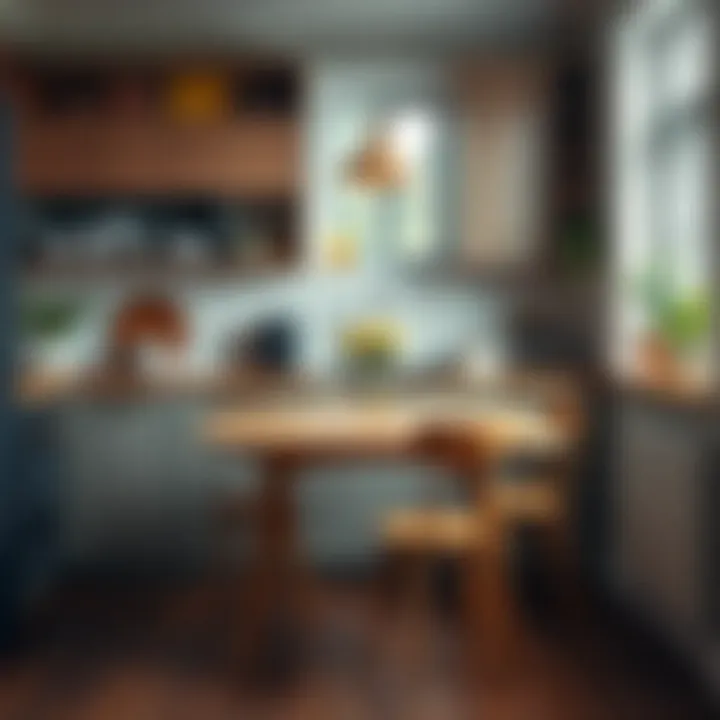
"A rustic kitchen table is not just about eating; it's about creating memories, sharing stories, and enjoying those little moments that life offers."
Industrial-Style Tables
Industrial-style kitchen tables embody strength and raw materials, often featuring metal frameworks paired with wooden tops. This style works particularly well for urban kitchens, offering a contemporary edge and a bold statement. The stark contrasts and mixed materials attract attention, particularly in spaces where beauty and brute can coexist.
Preferring industrial designs, homeowners can enhance functionality with multipurpose features, such as integrated shelving or movable partitions. These aspects are especially beneficial in small areas where flexibility is paramount. The rugged, often unfinished appearance adds a certain authenticity, making a kitchen not just a cooking space but a part of your home that reflects your personal ethos.
Contemporary Mixed-Materials
In recent years, contemporary mixed-materials kitchen tables have gained popularity for their innovative combinations of wood, metal, and glass. These designs effortlessly blend various styles, allowing homeowners to express individuality while maintaining functionality. The mix of materials can cater to preferences ranging from chic to eclectic, providing a versatile option for unique kitchen spaces.
A prominent example includes tables with a transparent glass top on a wooden base, which can create an illusion of spaciousness. Also, these mixed-material tables are often lighter in feel, ideal for brightening small kitchens without overwhelming them. They can complement both modern and traditional decor, proving that adaptability is a key feature in contemporary design.
Materials Used in Unique Kitchen Tables
Selecting the right materials for kitchen tables in small spaces can elevate both functionality and aesthetics. The choice of materials affects not only the appearance of the table but also its durability, weight, and overall practicality. In a compact kitchen, every detail matters, and the right material can enhance the flow of the space, inviting both warmth and elegance. Therefore, understanding the qualities and benefits of different materials is essential for making an informed choice.
Wood: Versatility and Warmth
Wood is often the go-to material for kitchen tables thanks to its inherent charm and warmth. One hallmark of wood is that it can seamlessly integrate into diverse styles, from rustic to modern. Tables made from solid oak or walnut can bring a sense of coziness, while lighter woods like pine can add a touch of airiness to a cramped area.
- Advantages: Wooden tables offer durability and can withstand daily use. With proper care, they last for generations. The texture of wood allows for various finishes, enabling homeowners to customize the look to match their personal taste.
- Considerations: It’s important to think about the wood’s finish and its susceptibility to scratches and water damage. A kitchen that sees a lot of action may require a more robust finish.
Metal: Durability with a Modern Edge
Metal tables are becoming increasingly popular for small kitchens due to their durability and sleek aesthetic. Stainless steel or powder-coated aluminum offers a modern vibe without unnecessary fuss. They are not only resistant to wear and tear but also make cleaning a breeze.
- Advantages: Metal tables can be incredibly lightweight, making them easy to rearrange as needed. They often pair well with wooden or fabric elements to create a balanced look in small spaces.
- Considerations: While metal is sturdy, it can get colder to the touch, which may not feel inviting. Hence, pairing metal surfaces with warmer accents like soft cushions or placemats can invoke a more comfortable atmosphere.
Glass: Creating an Illusion of Space
Glass is not just an aesthetic choice; it serves a practical purpose in small kitchens by enhancing visual space. A glass tabletop can make the area feel larger and more open. When choosing glass, a tempered glass option is recommended for durability and safety.
- Advantages: Glass reflects light, making small areas seem brighter. It’s easy to clean and can pair beautifully with various base materials, enhancing the overall design.
- Considerations: Glass requires more maintenance, as fingerprints and smudges are easily visible. In a bustling kitchen, this could be a drawback, but it can also be an opportunity to showcase creative table settings.
Composite Materials: Innovation in Design
Composite materials, like engineered wood or resin, are also gaining traction in small kitchen design. These materials are often created to mimic the appearance of natural wood or stone while providing additional benefits such as resistance to scratching or moisture.
- Advantages: They can be lighter than solid wood while still offering substantial strength. Often, they are more affordable than high-end woods or metals, appealing to budget-conscious buyers.
- Considerations: It's crucial to ensure that what you're buying is of high quality; some cheaper versions may not last as long as their natural counterparts.
In summary, the materials used in unique kitchen tables are varied and each has its own list of benefits and considerations. Choosing the right material aligns with not just aesthetics, but functionality as well, ultimately creating a seamless experience in tight spaces.
Incorporating Color and Texture
In small kitchens, where space often feels tight, the role of color and texture becomes essential in creating an inviting atmosphere. It's not just about filling a space; it's about bringing life to it and reflecting your unique style. A kitchen table can become a focal point that draws the eye when paired with the right hues and surface finishes. Thoughtful incorporation of colors and textures can enhance functionality while making the area feel larger and more cohesive.
Choosing the Right Color Palette
When it comes to choosing a color palette for a kitchen table that fits snugly into a compact area, the direction you take can significantly alter the vibe of the space. Colors can influence moods, and when you opt for hues that resonate with warmth or calm, your kitchen becomes a welcoming hub. Here’s a look at some popular approaches:
Neutral Shades
Neutral shades are the unsung heroes in small spaces. They provide a calm backdrop that allows other elements to shine without feeling overcrowded. The key characteristic of neutral shades lies in their versatility; they can range from soft beiges to deep grays. Because they meld seamlessly with most decor styles, they create a sense of harmony and spaciousness.
However, they may come across as bland if not complemented with textures or colorful accents. Striking a balance is vital; adding vibrant plants or chic dinnerware can elevate the appeal of the neutral palette, ensuring it doesn't fall flat.
By softening the visual impact, neutral shades promote a peaceful dining experience. Their infinite combinations offer a chance for personal expression, making them an exceptionally beneficial choice in design for small kitchens.
Bold Accents
On the flip side, bold accents allow for character and individuality to shine in the kitchen. A vibrant yellow table or striking blue chairs can instantly transform the room, serving as focal points that draw attention. Bold colors can energize a space and create a sense of fun, making it feel lively and vibrant.
The uniqueness of bold accents lies in their capacity to be used sparingly. A few brightly colored pieces can offset a neutral background, adding depth and interest without overwhelming the area.
However, too many bold hues can clash, leading to visual chaos. The secret simply lies in moderation; a smart application of bold accents ensures an engaging, yet balanced environment.
Textures That Enhance Small Spaces
Textures breathe life into any interior, and in smaller spaces, they can also create distinction between different areas on a limited canvas. Textures vary significantly — smooth finishes can convey sleek elegance, while rougher surfaces can exude warmth and comfort. Thoughtfully selecting textures can help in elevating the overall experience of your kitchen.
Smooth versus Rough Finishes
The choice between smooth and rough finishes is telling of both style and intention. Smooth finishes, like high-gloss lacquer or polished wood, often lend a modern, sophisticated feel to kitchen tables. They reflect light, which can help create an illusion of extra space. A smooth surface may also be simpler to clean, which is an important consideration in the kitchen.
Conversely, rough finishes, such as reclaimed wood or textured metals, evoke a sense of rustic charm and can make a small space feel inviting and warm. This choice, however, might lead to more maintenance in terms of cleaning and wear. A table with a rough finish can become the centerpiece of conversation as it often elicits interest and intrigue, providing a personal touch to the overall aesthetic.
The Impact of Fabrics
Fabrics can play a crucial role in tying the design of a kitchen table to the rest of the space. Consider tablecloths, napkins, or placemats that are carefully chosen to either stand out or blend in with the overall design theme. The key feature here is functionality paired with aesthetic appeal; fabrics can soften hard surfaces and provide comfort.
Additionally, different fabric textures can convey varied emotions. Linen gives a laid-back, casual feel, while satin or silk can introduce a touch of luxury. Since kitchens are often spaces for gathering and interaction, fabric choices can significantly impact the overall vibe.
Nevertheless, using fabrics also necessitates consideration for practicality; they may require more frequent washing and can be susceptible to stains.
Choosing the right blend of color and texture isn't merely about aesthetics; it sets the tone for the kitchen, making it personal yet functional.
"The magic of a small kitchen lies in maximizing every nook with the right choices. Color and texture transform any table into a centerpiece that speaks volumes."
Thus, understanding the influences of color and texture is vital for creating balanced, inviting kitchens, regardless of size.
Considerations for Space Integration
Integrating a kitchen table into a small space isn’t just about finding a piece of furniture that fits; it’s about how that piece works within the entire environment. A well-thought-out integration can harmonize functionality with aesthetic charm. More than mere placement, this process requires a deep dive into your surroundings, understanding how a table can breathe life into the kitchen and streamline daily activities.
The Importance of Cohesion
When choosing a kitchen table, taking existing decor into account plays a crucial role. Matching your table with the current style can create a cohesive look, making your kitchen feel more complete and thoughtfully designed. For example, if your kitchen leans towards a farmhouse aesthetic, a rustic wooden table can enhance that charm. On the flip side, a sleek glass top table could clash with, and disrupt, a cozy environment. Ensuring that the table complements not just the color scheme but also the materials and style of other elements—like cabinets, handles, and even countertops—adds to the overall ambiance.

Incorporating a unique kitchen table doesn’t just accommodate dining; it also acts as a focal point, often becoming the heart of your home. Here are several considerations that can enhance space integration:
- Style Harmony: Ensure that the design elements of the table fit with the overall kitchen theme.
- Color Synergy: Consider both contrasting and complementary colors that work with your cabinets and walls.
- Material Consistency: Choose materials that reflect or enhance the textures found in your kitchen.
By carefully considering these aspects, you can ensure your kitchen table is not just a functional piece, but also a seamless part of your home’s narrative.
"Harmonizing your furniture with your decor isn't about matching; it's about complementing and enhancing."
Matching Your Table with Existing Decor
Finding a kitchen table that matches your existing decor isn’t always straightforward, particularly in smaller spaces where visual clutter can become an issue. You want something that fits nicely without compromising the style or feel you’ve created. One approach is to consider the five core elements of your kitchen: color, texture, scale, material, and overall style.
Color and Texture
When you're matching a kitchen table with existing decor, pay attention to the predominant colors. If your walls sport muted pastels, an earthy taupe table might work beautifully. Similarly, if you have bold splashbacks or colorful dishes, a simpler design can help balance this out.
Textures play equally significant roles. A smooth, polished table can clash against a rough-hewn countertop. Aim for consistency to elevate the dining experience and maintain visual fluidity across your kitchen.
Scale and Style
Besides aesthetics, scale matters too. A massive table in a tiny kitchen can progressively make the space feel cramped. It’s vital to select a table that allows for movement while still being proportional to other elements present.
Consider the overall style as well. If your kitchen embraces a sleek modern vibe with stainless steel appliances, a mid-century walnut table might instill a fresh dynamic, while still remaining discomforting in the decor language.
Creating Defined Zones in Open Spaces
When it comes to open concept designs, creating defined zones is crucial for functionality and aesthetic clarity. A kitchen table should not just fit between the living area and kitchen; it should actively contribute to each zone's definition. This can be achieved through thoughtful layout and decor choices.
Designating Areas
Use the layout of the table to create a distinct dining zone. The table can serve as a visual anchor, clearly delineating where the cooking space ends and the dining area begins.
Considerations for Defined Zones:
- Rugs: A beautifully textured rug under the table can visually distinguish the dining area and create a cozy feel.
- Lighting: Installing pendant lights above the table not only draws the eye but solidifies the area as a specific dining zone, marking it distinct from surrounding spaces.
- Furniture Arrangement: Position chairs or benches so that they face the table yet do not disrupt the flow around it, ensuring ease of movement and minimal barriers between areas.
Functional Arrangement and Layout
In designing kitchens that make the best use of limited space, the arrangement and layout of furniture is crucial. With ever-shrinking living environments, maximizing flow and utility can transform a cramped space into a cozy haven where functionality meets comfort. The layout is not just about aesthetics; it's a fine dance of practicality and style that defines how well the kitchen serves its purpose.
The right kitchen table, coupled with a smart arrangement can optimize movement, making sure that no foot gets caught under a chair or table leg. This is especially vital in smaller setups where everyone knows that walking space is often at a premium. An efficient layout not only allows for smooth transitions between cooking, dining, and socializing but also helps in creating an inviting atmosphere.
Optimizing Flow and Movement
Flow in a kitchen isn’t just a matter of fancy design; it’s about ensuring that every step taken contributes to the overall efficiency of the kitchen environment. A proper arrangement of kitchen tables ensures that anyone preparing a meal is not continuously dodging diners or vice versa.
The main idea is to keep everything within reach. When considering where to place your kitchen table, take a good hard look at the pathways people will use to navigate the space. Here are some pointers to think about:
- Ensure Clear Walkways: Aim for at least 36 inches of clearance between the table and any walls or counters, so guests and family members can move without doing the cha-cha.
- Accessibility is Key: Place the table near the cooking area and kitchen appliances to make serving much less of a chore.
- Zoning: Designate areas – such as cooking, eating, and cleaning zones – so movement is orderly and predictable.
Considerations for Seating Arrangements
Benches versus Chairs
When it comes to seating arrangements, the debate of benches versus chairs can bring up more than just philosophical questions about comfort. Benches often provide a more adaptable approach to seating in small spaces. A long bench against a wall can be a real game changer. They tuck away easily and can often accommodate more buttocks than traditional chairs. Here are a few reasons why they might be a strong contender for your small kitchen:
- Space Efficiency: Benches can be pushed against the wall when not in use, freeing up room for movement or other activities.
- Versatility: They can seat different numbers depending on your needs. Have guests over? All can squeeze in comfortably.
However, they do come with a couple of draw backs. Benches can be less comfortable for longer sitting stretches and might not offer the best back support. Chairs, though, bring a different flavor;
- Comfort: Chairs typically offer more support, especially important during long meals or gatherings.
- Individuality: Adding a mix of chair styles lends a personal touch to your kitchen’s décor, ranging from vintage wood to modern steel.
Stool Height Considerations
Stools come into play when height is an issue. Often associated with higher dining tables or countertops, stools can offer flexibility in how space is used. They can even slide under the table to create more space when needed. Here, the unique feature is their adjustable nature, allowing users to choose heights that best fit their setup. This can help achieve a balanced look that meets personal preferences and aesthetic desires. However, it's worth noting that not every stool works for every table; matching heights is essential to prevent discomfort.
In small kitchens, stools can stand out. They often have a smaller footprint, making them an ideal option when considering dining surfaces that need to pull double duty. The pros include:
- Minimalist Design: Many stools come with sleek designs that don't crowd small areas.
- Variety: They come in various styles, including bar stools or even backless options for easy tuck-away.
However, pay attention to a stool's height. Choosing poorly could lead to people feeling like they're sitting on the edge of a cliff – not the most relaxing dinner experience!
In summary, the arrangement of tables and seating in a small kitchen plays a vital role in enhancing what could otherwise be a cramped space. Understanding the nuances of flow, seating types, and height can lead to a design that not only works but also resonates with personal style.
Sourcing Unique Kitchen Tables
In the quest for unique kitchen tables that can fit into small spaces, sourcing plays a vital role. Finding the right table not only depends on style but also on how it integrates with the overall functionality of the kitchen. As homeowners and designers narrow down their options, they often confront the challenge of blending practicality with aesthetics. This is where the process of sourcing becomes crucial.
Where to Find Unique Designs
Local Artisans
Engaging with local artisans is an exceptional route to explore when sourcing unique kitchen tables. These skilled craftsmen offer a personal touch that mass-produced furniture simply can't match. The key characteristic of local artisans is their ability to create custom pieces tailored to specific needs or preferences, ensuring that the table aligns with the homeowner's vision.
Artisan-crafted tables often boast unique features such as intricate designs or custom finishes that reflect the local culture or materials. This not only enhances the table's beauty but also adds a narrative element that tells a story of craftsmanship. A notable advantage of choosing local artisans is the accessibility for customization, allowing one to adapt dimensions, colors, and materials to fit a specific small space requirement.
However, there are downsides as well. Often, these bespoke tables can come with a heftier price tag compared to mass-produced options. For some, the time it takes to commission a piece might also be a consideration. Still, the quality and uniqueness might outweigh these factors, making local artisans a beneficial choice in this context.
Online Marketplaces
On the flip side, online marketplaces present a different avenue for sourcing unique kitchen tables. These platforms offer an extensive range of designs and budgets that can cater to various tastes and requirements. Main marketplaces, especially those specialized in furniture like Etsy or Wayfair, can provide access to both mass-produced and artisan pieces alike.
A key advantage of shopping online is the sheer variety. Buyers can explore tables that range from modern minimalist to rustic vintage styles all in one place, which is particularly useful for homeowners looking to compare different designs at their fingertips. Furthermore, many online shops also provide customer reviews that can aid in assessing quality before making a purchase.
That said, online shopping does present its own set of challenges. The primary concern is the inability to physically inspect the table before buying. This could lead to mismatches in expectations versus reality, particularly regarding size or material quality. Additionally, shipping can be a logistical headache, potentially leading to delays or extra costs.
Understanding Quality and Value
When it comes to sourcing kitchen tables, grasping the concepts of quality and value is paramount. Quality refers to the durability, craftsmanship, and materials used in making the table. Understanding these aspects helps in making informed decisions that suit both aesthetic and functional needs. Value, meanwhile, can encompass price, but also the longevity and satisfaction derived from the piece over time.
In sum, whether considering a local artisan or perusing online marketplaces, it’s critical to weigh these factors carefully. The right choice often marries both quality and value, ensuring that the table is not just an aesthetic addition but also a long-lasting investment into the kitchen space.
Maintenance Tips for Kitchen Tables
Taking care of your kitchen table may seem like a mundane task, but it's really quite essential for both functionality and aesthetics. The kitchen often serves as the heart of the home, a gathering spot for family and friends. Therefore, keeping your table in top shape enhances enjoyment and preserves the value of your investment. This section delves into crucial maintenance tips, focusing on the unique needs of different materials and the best protective strategies to ensure longevity.
Cleaning Different Materials
Different materials demand different cleaning techniques, and that’s crucial to keeping your unique kitchen table looking fresh and new. Here's a breakdown of how to care for the most common materials:
- Wood: For wooden tables, a damp microfiber cloth is your best friend. Remember, too much water can warp the wood. After wiping down, use a wood-friendly cleaner or a little olive oil to give it a nice shine. This not only cleans but also nourishes the wood.
- Metal: Stainless steel tables can be wiped with warm, soapy water. Avoid abrasive cleaners that can scratch the surface. For aluminum and other softer metals, a gentle dish soap will do just fine, followed by a dry cloth to prevent water spots.
- Glass: Glass tables need a little more attention to avoid streaks. A mixture of water and vinegar works wonders. Just spray it on and wipe with a soft cloth. Be cautious with heavy impacts, as glass is more vulnerable to chipping than other materials.
- Composite: These surfaces often require a simple wipe down with a damp cloth. However, ensure to check the manufacturer’s guidelines, as some composites may have specific care requirements.
Protective Measures for Longevity
To keep your kitchen table thriving for years to come, a few preventive measures can go a long way. Here are some strategies:
- Coasters and Placemats: Always use coasters for beverages and placemats for hot dishes. These small habits significantly reduce wear and tear.
- Avoid Direct Sunlight: If possible, keep the table out of direct sunlight or use curtains and blinds to minimize fading and temperature changes.
- Regular Treatments: For wooden tables, consider periodic refinishing or re-oiling. This helps maintain the integrity of the wood and can ward off scratches and stains.
- Tablecloths: In busy households, a durable tablecloth can provide extra protection against spills and scratches. Choose one that complements your decor but is also easy to wash.
"A well-maintained kitchen table can transform not just a meal, but the entire dining experience."
By paying attention to these maintenance tips, you ensure that your unique kitchen table not only withstands the rigors of daily life but also remains a cherished centerpiece in your home. Keeping it clean and taking protective measures are investments in its beauty, functionality, and overall longevity.
Transforming Small Kitchen Spaces
In today's world, many individuals find themselves living in homes with limited square footage. As such, transforming small kitchen spaces is not just a trend, but rather a necessity for many homeowners and renters alike. This can be especially true when it comes to choosing kitchen tables. The right table can not only serve multiple purposes but also contribute significantly to the overall aesthetic of a compact area.
When we talk about transforming a small kitchen, we often think about how to make space flow better, look appealing, and function efficiently. Here are some critical elements to consider:
- Functionality: Choosing a table that doubles as a workspace or storage can be a game-changer. Think of tables that can be used for prepping meals but still allow you to enjoy dinner—a balanced approach to form and function.
- Visual Space: It might sound straightforward, but a carefully selected table can manipulate how we perceive space. A table that suits the room’s scale will make it feel larger. For instance, round tables can help eliminate sharp corners that could make the room feel cramped.
- Style Cohesion: It’s crucial for the kitchen table to meld with the decor rather than clash. If your kitchen has a modern flair, a sleek glass or metal table may fit right in—aiming for a seamless look helps in creating an inviting atmosphere.
This article will delve deeper into various strategies and traits that can aid in this transformation, ensuring that your small kitchen doesn’t compromise either function or style.
Using Mirrors to Create Depth
Mirrors are a versatile decor tool—beyond just helping you check your reflection, they can work wonders in small spaces. By carefully positioning a mirror in your kitchen, you can visually expand the room, making it appear more spacious and open.
Here are some ideas to effectively use mirrors:
- Opposite Windows: Placing a mirror directly across from a window can reflect natural light, brightening the space and creating an illusion of depth. It’s that bright light bouncing back that can truly open things up.
- Aesthetic Backdrop: Use mirrors with interesting frames to create a focal point. They can enhance the larger aesthetic of your kitchen while also serving a practical purpose.
- Multi-Surface Options: Consider mirrored finishes on kitchen tables or cabinets, allowing for visual continuity. This sort of layering can trick the eye, making everything significantly more spacious than it actually is.
Lighting Choices to Enhance Ambiance
The right lighting can change the game in small kitchen environments. Poor lighting can make a room feel cramped and dull, while thoughtful illumination can create warmth and inviting ambiance. Consider the following:
- Zoned Lighting: Instead of relying on a single overhead light, use a combination of task and ambient lighting. Pendant lights above the kitchen table can define the area, suggesting it’s a separate, yet still integrated, space.
- Dimmers: Installing dimmers allows you to adjust the level of light based on the time of day or your mood. A well-lit kitchen can become intimate during dinner time and bright enough for morning coffee.
- Strategic Fixtures: Consider LED strips under cabinets or stylish sconces to highlight key areas of your kitchen. This method not only illuminates but also leads the eye across the room, avoiding cluttered feelings.
In the end, transforming a small kitchen is about more than just fitting in a table. It’s about utilizing every inch efficiently while curating a space that’s both functional and aesthetically pleasing. Whether through mirrors, lighting, or simply smart designs, the possibilities are endless and well worth considering for that cozy culinary haven.
"A kitchen's true charm lies in how it marries function with style, making even the smallest space a culinary delight."
For additional insights into small space design, you can refer to reputable sources such as Wikipedia and Britannica.
Ends on Selection and Placement
Choosing the right kitchen table for small spaces isn’t just about finding something that fits. It’s a task that blends functionality with personal style, and making an informed decision can lead to a more enjoyable and practical space.
One essential element in selection is understanding the specific needs of your space. For instance, if your kitchen doubles as a dining area, then look for tables that can accommodate guests while still being easy to stow away when not in use. A table that extends or can be converted into a larger surface can serve this purpose well. These considerations help ensure that the table isn't just an ornamental piece but a functional asset in your daily life.
Furthermore, the placement of the table can significantly affect the flow of your kitchen. Ensuring there's enough clearance around the table for movement is crucial. An ideal configuration would allow someone to move around without obstacles while making the most of every inch available. This balancing act of aesthetics and utility is what elevates a kitchen table from merely functional to truly exceptional.
To put it simply, the right choice can transform a cramped kitchen into a welcoming hub, while a poor selection may inhibit activity or feel overwhelming. Striking a balance between size, shape, and style promotes a harmonious atmosphere, making the kitchen feel both spacious and inviting.
"A table that is well placed provides not just utility; it enhances connection."
Establishing the correct environment will likely encourage family interactions and gatherings, reinforcing the kitchen's role as the heart of the home.
Final Thoughts on Kitchen Table Design
In contemplation of kitchen table design, it’s essential to recognize the intersection between personal preference and practicality. The design doesn’t need to adhere strictly to current trends but should reflect individual tastes while integrating seamlessly into the kitchen’s existing decor. Small details like choosing the right finish or color can add a layer of personalization that transforms the table into a signature piece.
It’s also worth considering how the table complements the other elements in the kitchen, from cabinetry to countertops. If you lean towards a vintage wooden table, think about whether that harmonizes with slick modern appliances or a sleek minimalist aesthetic. In this regard, consistency breeds harmony, whereas mismatched styles can create visual noise.
Moreover, the seating arrangement surrounding a kitchen table adds another dimension to the overall design. Selecting chairs that echo the table's aesthetic—whether rustic charm or industrial flair—can enhance the complete look.
Encouragement for Personal Expression
Expressing one’s character through kitchen table selection is an exciting journey. It allows for a personal touch and berths individuality in every nook and cranny of your home. Do not shy away from experimenting with color or even unconventional shapes. After all, unique styles can act as conversation starters and solidify a sense of identity within your space.
In essence, the table is not merely a background prop in daily life; it can serve as a platform for creativity. You could choose a table that’s a vibrant hue or one that showcases intricate woodwork. Every decision should be made with comfort and style in mind, as these factors can set the tone for the entire kitchen.
Ultimately, the table you select can become an essential extension of your personality. Whether your aesthetic leans towards bohemian charm or sleek minimalism, finding that ideal balance will transform your kitchen into a space that not only functions well but also speaks to who you are.
Let your kitchen table be a reflection of your personal style, memorably uniting functionality with flair in a small space.