
Maximizing Style and Function with TV and Bookshelf Units
Intro
In contemporary living spaces, the blending of functionality and aesthetics has taken on new dimensions. The integration of TV and bookshelf units stands out as a striking example of this trend. More than mere furniture, these units are pivotal in balancing form and function, enabling homeowners to create harmonious environments that cater to leisure and intellectual pursuits alike.
These dual-purpose designs facilitate an efficient use of space, especially in apartments or smaller homes where square footage is at a premium. By housing entertainment systems and displaying books or decorative items in one cohesive unit, they optimize your living area without overwhelming it.
The significance of TV and bookshelf units extends beyond practicality; they also enhance the overall decor of a room. A well-designed unit can become a focal point that draws the eye, inviting one to spend more time in the room. As we uncover the various facets of these multifunctional pieces, readers will discover insightful ways to blend style with utility, transforming their living spaces into personalized sanctuaries.
Furniture Trends
Current Styles and Influences
The current furniture landscape showcases a myriad of styles, each reflecting a distinct influence. Mid-century modern has resurged in popularity, characterized by clean lines, organic forms, and minimal ornamentation. This aesthetic compliments both traditional and contemporary settings, making it a smart choice for those desiring versatility in their furniture.
Moreover, industrial design continues to rise, featuring raw materials such as metal and wood to create a rustic yet chic appeal. The incorporation of subtly utilitarian elements can be observed in many modern TV and bookshelf units. This style often emphasizes durability and functionality, making it suitable for both home entertainment and libraries.
Another trend worth noting is the emergence of eco-friendly materials. As sustainability becomes a pressing consideration in design, manufacturers are increasingly utilizing reclaimed wood, bamboo, and non-toxic finishes. Not only does this approach align with environmentally conscious practices, but it also lends unique character to each piece
Seasonal Trends and Color Palettes
As seasons change, so do the trends surrounding color palettes and moods in interior design. Currently, earthy tones like terracotta, sage green, and muted browns are gaining traction, evoking a sense of calm and connection to nature. Such colors are particularly suited for TV and bookshelf units, which can seamlessly blend into warm and inviting spaces.
In contrast, bolder accent colors are making waves as well. Shades of deep navy, rich plum, and even vibrant yellows are on the rise, offering homeowners a way to make a statement. Combining these vibrant accents with neutral bases creates a balanced yet eye-catching appearance.
"Design is not just what it looks like and feels like. Design is how it works." – Steve Jobs
Buying Guides
Choosing the Right Furniture for Your Space
When selecting a TV and bookshelf unit, consider the dimensions of your space. Here are some key tips:
- Measure carefully: Know your room's layout to ensure the unit fits comfortably without crowding the area.
- Identify your needs: Consider how many books, decor items, or electronic devices you'll house. The right unit will accommodate all your essentials without looking cluttered.
- Functionality matters: Opt for designs that offer multiple uses, such as units with additional storage or compartments designed for cable management.
Evaluating Quality and Durability
Investing in quality is paramount when purchasing furniture. To evaluate durability:
- Material selection: Look for solid woods or high-grade materials rather than particle board, which can deteriorate over time.
- Craftsmanship: Examine the joints and finishes. Quality craftsmanship often reflects longevity.
- Brand reputation: Research brands and read reviews from previous customers. Durable pieces often come from well-established companies.
In the ever-evolving realm of interior design, integrating TV and bookshelf units into your living area provides a stylish and practical solution. As trends shift, staying informed about design choices, color palettes, and purchasing decisions equips homeowners and designers with the knowledge needed to create beautifully functional spaces.
For further insights and information, explore these resources:
By emphasizing the importance of aesthetics and functionality in today's homes, you pave the way for a livable yet stylish oasis.
Intro to Multifunctional Furniture
In the modern era, where space often comes at a premium, the concept of multifunctional furniture has gained significant attention. This is particularly evident in the integration of TV and bookshelf units into contemporary living spaces. Such designs bridge the gap between form and function, allowing homeowners to maximize utility without sacrificing aesthetics. The importance of understanding multifunctional furniture lies in its ability to cater to diverse needs while optimizing the available area.
Before the advent of multifunctional designs, furniture served its purpose in isolation. A bookshelf lived on one wall while a television occupied another. However, as we became more conscious of how our lifestyles impact our surroundings, the necessity for adaptable, space-saving solutions became apparent. Homeowners today seek not just a place to rest a TV or display books but a cohesive unit that enhances the overall ambiance of their home.
Moreover, this trend has not just changed the way we furnish our homes but also how we view them. Instead of cluttered spaces filled with singular-purpose items, multifunctional furniture encourages organized, clean environments that feel larger and more inviting. This shift in mindset can be attributed to a growing interest in minimalist living, the desire for less upkeep, and the preference for designs that reflect personal style while addressing practical requirements.
As we delve further into specific aspects of multifunctional furniture, understanding its evolution and embracing the dual functionality will be key to making informed choices in design and decor. The journey from traditional furnishings to modern masterpieces that blend bookshelves with TV stands brings with it a myriad of considerations, from spatial dynamics to aesthetic appeal.
The Role of TV and Bookshelf Units
TV and bookshelf units have become essential elements in modern homes, acting as pivotal points where aesthetics meet functionality. These dual-purpose furniture pieces transform how we interact with our living spaces, merging technology seamlessly with design. They not only accommodate large-screen televisions but also offer a practical solution for organizing and displaying literary works or decorative items. This section discusses the significance of these units, emphasizing their benefits and the myriad considerations that come into play when incorporating such elements into our homes.
Space Optimization in Modern Living
In today’s world, where the concept of space can sometimes feel like a luxury, the efficient use of every square foot is paramount. TV and bookshelf units excel in this area by maximizing storage while minimizing clutter.
- Combining Functions: These units serve as a multifaceted solution; they hold books, gadgets, and even art pieces while providing a stable base for televisions. This duality allows homeowners to cut down on the need for multiple separate pieces of furniture, which can overcrowd living areas.
- Customizable Configurations: Many brands now offer modular systems that cater various personal needs. It lets users expand or reduce their unit according to their space constraints while adapting to a home’s overall aesthetic.
- Vertical Space Utilization: When living in smaller homes or apartments, utilizing vertical space becomes crucial. Tall bookshelf units that also accommodate a television create an eye-catching element that draws the gaze upward, making rooms feel taller and more expansive.
- Decluttering Solutions: By integrating books and multimedia storage within a single unit, these furnishings help in maintaining a tidy living environment. Instead of relying on multiple shelves and stands, everything is conveniently located in one place, making it easy for homeowners to access or rearrange items.
This optimization proves invaluable for both homeowners and interior designers looking to create stylish yet functional spaces. The right atmospheric balance can make a place feel inviting without the sense of chaos often brought on by surplus furniture.
Aesthetic Enhancements for Interior Design
Beyond mere functionality, TV and bookshelf units have a profound impact on the overall aesthetic appeal of a room. They serve not only as storage solutions but also as statement pieces that reflect a homeowner's personality and style.
- Design Versatility: These units come in various styles, from minimalistic modern designs to rich, traditional pieces. This variety allows them to complement different decor themes, ensuring they enhance rather than detract from the space’s visual appeal.
- The Harmony of Colors and Textures: Selecting a unit that harmonizes with the existing color palette and material textures in a room can significantly elevate its visual impact. A dark wood unit might pair beautifully with lighter walls, establishing a striking contrast while maintaining cohesion in style.
- Displaying Personality: A common trend is the use of bookshelves for more than just books. Homeowners often opt to showcase personal items like travel souvenirs or family photographs. This adds a layer of intimacy and warmth to the living space, making it feel more than just a place to relax.
- Lighting Options: Incorporating lighting features within the TV and bookshelf units can transform ambience in a room. LED strips or spotlighting offer functionality while casting dramatic shadows and highlights, adding depth to the arrangement.
Incorporating these elements can significantly transform a mundane space into one that captures attention and evokes intrigue.
Ultimately, the role of TV and bookshelf units extends beyond mere storage; they play a crucial role in both optimizing space and enhancing aesthetic value in living environments. Designers and homeowners should thus consider their impact deeply while making choices that reflect both practical needs and personal expressions.
Design Considerations
Designing a TV and bookshelf unit is no small feat. With the increasing trend of multifunctional furniture, it’s imperative to consider a variety of elements that contribute not only to the aesthetic appeal but also to the practicality of these units. A well-designed piece can transform a living space, serving multiple roles while enhancing both functionality and style. Here, we’ll dissect the core elements to think about when undertaking such a project.
Size and Scale Analysis
Understanding the dimensions of your living space is central to choosing the right TV and bookshelf unit. The size and scale you select can dictate the flow and harmony of a room. Oversized units can overwhelm smaller spaces, while tiny shelves can easily get lost in a large room. Here’s how to approach this:
- Measure your space: Prior to shopping, take accurate measurements of the area where the unit will reside; this includes height, width, and depth.
- Test out proportions: Use painter’s tape to outline the unit’s footprint on the floor, giving a visual representation of how it will fit.
- Consider height: Typically, a TV unit should sit at eye level for optimal viewing comfort. This height can vary depending on the furniture layout and viewer seating. Likewise, the bookshelf can balance the space when it mirrors or complements the height of other furniture, like a sofa or console.
A careful measurement and consideration of scale can mean the difference between an inviting nook and a cluttered eyesore.
Choosing the Right Materials
The materials chosen for your unit can speak volumes about your style and lifestyle. Durability, maintenance, and aesthetic are all pivots in this decision. A few material options to consider include:
- Wood: A classic choice that can offer warmth and texture. Solid wood is durable but can come at a cost, while engineered wood provides an economical alternative.
- Metal: Often incorporated in modern designs, metal adds an industrial flair and strength, but can occasionally detract from a cozy aesthetic if overused.
- Glass: Using glass can create an airy feel, making the unit seem less bulky and allowing for visual transparency. But, glass requires regular cleaning and may not hold up well to heavy items.
- Composite Materials: Materials like MDF or particle board can be budget-friendly options that come in various finishes but may lack the sturdiness of solid wood.
Ultimately, the choice of materials should reflect both personal style and functional needs, ensuring that the unit will stand the test of time.
Color and Finish Options
When it comes to color and finish, the right choices can elevate the character of your TV and bookshelf unit, making it a showpiece in your living space. Here’s what to keep in mind:
- Neutral Tones: Shades like whites, grays, or beiges can create a seamless look and serve as a perfect backdrop for books and decor. They are versatile and work with varying accent colors.
- Bold Hues: If making a statement is your goal, don’t shy away from rich colors. A deep blue or emerald green unit can act as a focal point and breathe life into the room.
- Finish types: Matte finishes can lend a contemporary vibe, while glossy finishes can add sophistication. Consider how your choice reflects light and fits in with surrounding furniture.
- Textured finishes: Incorporating textures like reclaimed wood or brushed metal can add depth and interest, showcasing personality and style while still serving practical functionality.
In sum, the selection of color and finish should not only align with individual style but also enhance the overall decor theme of the room.
"A well-executed design is not merely about the units themselves, but how they interact with everything around them."
Careful consideration of these design aspects helps create a piece that brings functionality and elegance, ensuring that TV and bookshelf units are not just additions to the space, but integral components that enhance living environments.
Styles of TV and Bookshelf Units
The intertwined nature of TV and bookshelf units goes beyond mere functionality; it speaks volumes about the owner's tastes and preferences. Styling these units can transform a mundane space into something that tells a story, reflecting the personality of those who inhabit it. In this section, we delve into various stylistic approaches, each offering unique attributes and benefits that can enhance any living environment. Understanding these styles is essential as they determine not only aesthetic appeal but also how well the space serves its users.
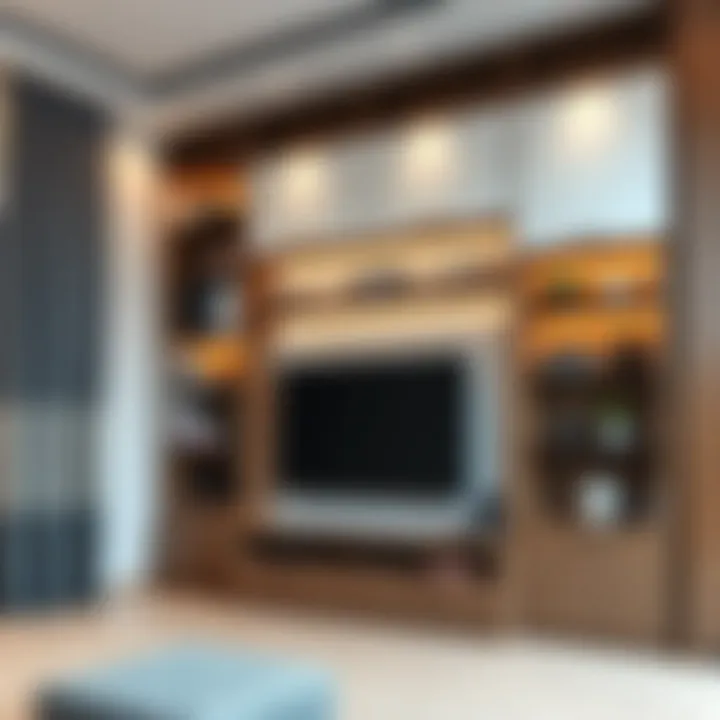
Modern and Minimalist Approaches
In the world of interior design, modern and minimalist styles often lead the charge. These approaches speak to the contemporary sensibility, valuing simplicity and clean lines over embellishment. When it comes to TV and bookshelf units, minimalism encourages a design that is fundamentally functional, yet striking.
- Key Features: Streamlined silhouettes and neutral color palettes create a tranquil ambiance. Minimalist units often use materials like metal or light-colored woods, allowing them to integrate seamlessly into various settings.
- Benefits: The minimalist design not only saves space but also fosters a clutter-free mindset, allowing the beauty of the items on display to shine. It serves as an ideal backdrop for technology, emphasizing the screen and decor without overpowering either.
- Considerations: When selecting a modern minimalist unit, consider the balance between empty space and furnishings. Ensuring that the unit does not overcrowd a room while still providing adequate storage is vital for keeping the space airy and open.
Traditional and Classic Designs
In contrast to modern aesthetics, traditional and classic designs evoke a sense of warmth and elegance. These styles often feature intricate details and rich materials, creating a timeless appeal. A traditional TV and bookshelf unit usually crafts a narrative through its intricate moldings and rich wood finishes, transporting the viewer back to a more serene era.
- Key Features: Decorative elements such as carved wood, brass hardware, and dark finishes distinguish traditional designs. These units typically boast substantial sizes, providing a grand presence in any room.
- Benefits: They appeal to those who harbor a love for history or nostalgia, allowing for a nostalgic feel while remaining functional. Such units can house books, display cherished heirlooms, and accentuate treasured memorabilia, crafting a warm, inviting atmosphere.
- Considerations: It’s important to stay aware of the overall space — furniture with rich tones might overwhelm small rooms, while lighter traditional designs could blend better in compact areas, lending them a cozy feel without overcrowding.
Eclectic and Bohemian Styles
For those who dare to be different, eclectic and bohemian styles offer a vibrant alternative to conventional designs. These styles encourage an individualistic approach, where personal preferences reign supreme, and no two units look alike. Eclectic designs harness a playful mix of colors, textures, and patterns, resulting in a delightful tapestry of style.
- Key Features: Handcrafted elements, mixed materials, and a splash of bold color usually define eclectic units. Combining vintage finds with contemporary pieces can create a harmonious yet diverse display.
- Benefits: These styles bring a lively character to the room, allowing homeowners to showcase their creativity and personal stories through decor. They often inspire curiosity, engaging both residents and guests alike in a visual journey.
- Considerations: While mixing styles, a shaky balance might lead to chaos rather than cohesion. Hence, homeowners should consider anchoring the unit with one or two unifying elements: a specific color or texture that can guide the eye through the eclectic mix.
"The beauty of eclectic design lies in its ability to convert what could be clutter into captivating narratives of personal identity."
In the exploration of styles for TV and bookshelf units, it becomes clear that these pieces serve far greater purposes than just housing technology or books. They become focal points in residences, each style inviting a different emotional response and interaction. When selecting a style, understanding the nuances and potential of each can ensure the home reflects its inhabitant's character.
Customization and Personalization
When it comes to TV and bookshelf units, customization and personalization are like the icing on the cake. These elements serve a dual purpose: they cater to functionality while also ensuring that the unit reflects the homeowner's unique style. In a world where cookie-cutter furniture tends to dominate, individuals are seeking pieces that speak to their tastes and fit their living spaces perfectly. Customization allows for an array of options in terms of design, size, materials, and even technological integration. This responsiveness to individual needs and preferences can significantly enhance both the aesthetic and practical dimensions of such furnishings.
Customization of TV and bookshelf units involves making choices that align closely with one’s lifestyle and personal aesthetics. For instance, a family with children might prioritize features like rounded edges and materials that can withstand rough handling, whereas a single professional might opt for sleek designs that emphasize minimalism and modernity. Here’s a closer look at how these tailored solutions can impact living spaces.
Tailored Solutions for Individual Needs
Tailored solutions refer to the ability to tailor design elements according to personal requirements. Homeowners increasingly face diverse challenges when selecting furniture. Consider this: a small apartment dweller might necessitate a compact unit that not only saves space but also enhances vertical storage. Conversely, a larger home with expansive walls might benefit from a grander design that incorporates space for both TV and additional decorative elements.
Here are some important considerations when pursuing tailored solutions:
- Size Adjustments: Many furniture makers now offer modifications in size to fit specific spatial constraints. This flexibility can help in avoiding cramped situations or overwhelming a room’s proportions.
- Functional Features: Incorporating features like cable management systems or adjustable shelves means you can adapt your unit as your needs change. This is particularly relevant for technology users who upgrade their devices frequently.
- Personal Touches: Allowing for color and finish modifications makes it easier to create harmonious designs that align with existing decor. For instance, choosing a rich walnut finish can provide a classic feel, while a high-gloss white may deliver a contemporary vibe.
"Customization allows for a fusion between functionality and style, resulting in a unit that serves you as well as it decorates your space."
DIY Approaches to Custom Units
For those who are more hands-on, exploring DIY approaches to creating custom TV and bookshelf units can be not only fulfilling but also economical. This method allows for immense creativity and personal investment. While prefabricated units are good, nothing quite compares to the satisfaction derived from building your own piece.
Here are some ways to inspire DIY projects that resonate with personalization:
- Modular Assembly: Using modular components can lead to creative reconstructions. You can build segments that can be rearranged as your space evolves.
- Repurposed Materials: Consider huntin' down vintage wood, crate materials, or old cabinets. Breathing new life into these items adds character, and each piece tells a story.
- Simple Techniques: Employ basic woodworking techniques like doweling or using brackets to create shelving that fits snugly into specific places in your home.
Adopting a personalized DIY approach not only leads to unique pieces but also allows for home improvement skills to flourish. Moreover, the flexibility offered by handcrafting furniture can enhance its adaptability, ensuring it evolves with the user’s needs.
Ultimately, whether through tailored solutions or DIY efforts, customization and personalization uplift the utility and visual appeal of TV and bookshelf units—transforming them from mere storage to essential components of one’s interior narrative.
Trends Influencing TV and Bookshelf Units
The landscape of furniture design is constantly evolving, with trends shaping the choices homeowners and designers make about how they furnish their spaces. When it comes to TV and bookshelf units, several noteworthy trends come into play. Understanding these trends is crucial for making informed decisions that balance aesthetics, functionality, and sustainability in modern living spaces. Let's delve into two prominent trends impacting the design and function of these multifunctional units.
Sustainable Furniture Solutions
Sustainability has become a significant focal point in today's furniture market. Homeowners are increasingly seeking pieces that not only fit into their design schemes but also align with their values regarding environmental responsibility. Here are some key elements of sustainable furniture solutions that can enhance the appeal of TV and bookshelf units:


- Material Choices: Manufacturers are now using eco-friendly materials such as reclaimed wood, bamboo, and composite materials free from harmful chemicals. This shift resonates with eco-conscious consumers who prioritize sustainability.
- Longevity and Quality: Sustainable furniture goes beyond materials. It emphasizes craftsmanship and durability, ensuring that the units can withstand the test of time. This not only reduces waste but also saves consumers money in the long run.
- Modularity: Many contemporary units are designed with flexibility in mind. Modular systems allow homeowners to adapt their shelving and TV units to changing needs, supporting a more sustainable approach by minimizing the urge to replace furniture frequently.
"Investing in sustainable furniture not only enhances your interior but contributes to a healthier planet."
By focusing on these sustainable practices, TV and bookshelf units can be both functional and responsible, providing solutions that resonate with a growing number of environmentally aware consumers.
Smart Home Integration
As technology continues to advance, the integration of smart home features into furniture design has gained traction. TV and bookshelf units are not exempt from this trend, providing a unique blend of aesthetics and modern convenience. Here are some aspects of smart home integration that are worth considering:
- Built-in Technology: Many contemporary units come equipped with built-in speakers, wireless charging stations, and smart lighting that can be controlled from mobile apps. This seamless integration simplifies the user experience and adds to the unit's functionality.
- Space Management: Smart technology enables better organization. For instance, innovative shelving solutions can include adjustable lighting that highlights select items, ensuring that both books and electronics are displayed to their best advantage.
- Connectivity Options: With the demand for connectivity increasing, many units are designed to accommodate multiple devices. Having USB ports, cable management systems, and hidden compartments allows for a clean, uncluttered look while ensuring that technology is within reach.
Incorporating smart home integration into TV and bookshelf units not only enhances daily living but also elevates the overall aesthetic, transforming ordinary furniture into extraordinary solutions for modern homes.
By staying attuned to these trends, designers and homeowners alike can choose TV and bookshelf units that embody not only beauty but also progress and responsibility.
Placement and Arrangement
Placement and arrangement of TV and bookshelf units in a living space holds a paramount importance that transcends mere aesthetics. It encompasses us with an atmosphere of comfort and functionality, and affects our daily interactions not just with the furniture but also with the entire room environment. A well-thought-out arrangement can enhance the visual appeal of the space, create flow, and promote an inviting ambiance for family and guests alike.
In the realm of interior design, considering how these multifunctional units interact with one another is essential. The correct placement enables optimal use of space, ensuring that both design and practicality intersect harmoniously. Here are several specific elements to keep in mind when planning the layout:
- Proximity to Power Sources: Ensure that your TV unit is near established power outlets to avoid cord clutter and make cable management simpler.
- Viewing Angles: The position of the television should allow viewers to maintain comfort without straining their necks, ideally at eye level when seated.
- Balance and Symmetry: Arrange bookshelves around the TV to create a balanced composition. Grouping similar styles or sizes enhances visual coherence.
- Flow and Movement: Leave enough space for people to walk freely in the room. Avoid obstructing pathways with heavy book units or overly large cabinet pieces.
The benefits of these considerations surpass mere aesthetics. They influence the overall feel of the space, making it functional without skimping on style. A well-placed entertainment unit often becomes a natural hub of activities; whether a movie night or casual reading, that area resonates as a cornerstone in daily life.
Optimizing Layout for Comfort
Optimizing the layout is the secret sauce that leads to a comfortable living space. When TV and bookshelf units are thoughtfully positioned, they transform the room into a cozy sanctuary. Here’s how to approach comfort in layout:
- Scaling: Choose the size of your TV and bookshelf units based on the dimensions of the room. Oversized pieces in a small room would suffocate it, while smaller units in a big space can feel lost.
- Furniture Flow: Arrange the layout to facilitate easy movement throughout the room, allowing conversations to flow naturally.
- Seating Arrangement: Position seating in a way that promotes relaxation and interaction, ideally oriented towards the television while allowing easy access to bookshelves.
- Natural Light: Ensure that the layout considers sources of light. Avoid placing screens directly opposite windows to minimize glare while ensuring books become easily accessible for reading.
By recognizing these factors, homeowners can not only bolster the comfort level but also significantly enhance the experience of the space.
Creating Focal Points in the Room
Creating focal points is an exquisite dance between functionality and artfulness. Focal points are central elements that draw the eye and anchor a room's design. When it comes to integrating TV and bookshelf units, consider these strategies:
- Highlight with Lighting: Use accent lights to draw attention to bookshelves, accentuating their contents and making the display feel intentional and curated. Ambient lighting, such as a soft table lamp, can also create a warm allure.
- Artistic Touch: Integrating personal items like framed photos or unique decor pieces within the bookshelves adds layers to the space, making the unit more than just storage.
- Accent Walls: Consider using paint or wallpaper to emphasize the area where the TV and bookshelves are placed. This can provide an artistic backdrop, enhancing depth and dimension.
- Layered Textures: Use various materials like wood, metal, and glass in your units and surrounding furniture to create a visually compelling space that encourages engagement.
By creating focal points that synergize with these units, the living space transforms into a curated exhibition that is both functional and engaging.
"A room should never allow the eye to settle in one place. It should smile at you and create a sense of movement, like a fine painting." - The Great Interior Designer
Exploring these elements of placement and arrangement will ultimately result in a living space that sings with personality and warmth, showcasing the true multifunctionality of TV and bookshelf units.
The End: Harmonizing Function and Design
In today’s fast-paced world, the fusion of form and function has never been more crucial. The articles shed light on the ways TV and bookshelf units can serve as more than just a storage solution; they can elevate the overall ambiance of a room. This section focuses on how these multifunctional pieces can transform spaces by enhancing utility while maintaining aesthetic value.
Evaluating the Impact on Living Spaces
When considering the integration of TV and bookshelf units, it’s essential to evaluate their impact on living spaces. These units are not simply practical; they also set the tone of an environment. A well-placed unit can maximize available space and change the flow of a room. For instance, in an apartment where every square foot counts, a unit that combines storage for media, books, and decorative items can eliminate the need for additional furniture, thus creating an airy atmosphere.
- Space Saving: Many homeowners find that combining these functions helps keep rooms from feeling cluttered, making smaller spaces more functional.
- Style Statement: The design of these units can serve as a focal point, drawing the eye and prompting conversation. A sleek, modern unit might make a minimalist living room pop, while a rustic design could beautify a cozy reading nook.
Furthermore, the strategic placement of these units can encourage social interaction. A central unit can create a gathering place in living areas, promoting the interaction vital to home life.
"The right piece of furniture does not just serve a purpose; it creates an atmosphere that resonates with the inhabitants."
Future Directions in Furniture Design
- Sustainability: Environmentally aware consumers are increasingly drawn to units made from reclaimed or responsibly-sourced materials.
- Technology Integration: As smart homes continue to develop, furniture designs are adapting. Units with built-in chargers or sound systems are becoming the norm.
- Modular Designs: Consumers are leaning toward modular furnishings that allow for adaptability. A unit that can be reconfigured or expanded based on changing needs is no longer just a dream.
This evolution highlights a broader shift in design philosophy, prioritizing flexibility and sustainability, allowing furniture to grow with the family’s changing needs. As we blend functionality with forward-thinking design, the role of furniture will only expand in the modern home, paving the way for innovative combinations of storage and display solutions.